
Max Verstappen's Red Bull Emerges as Fastest Car at Singapore F1 Grand Prix
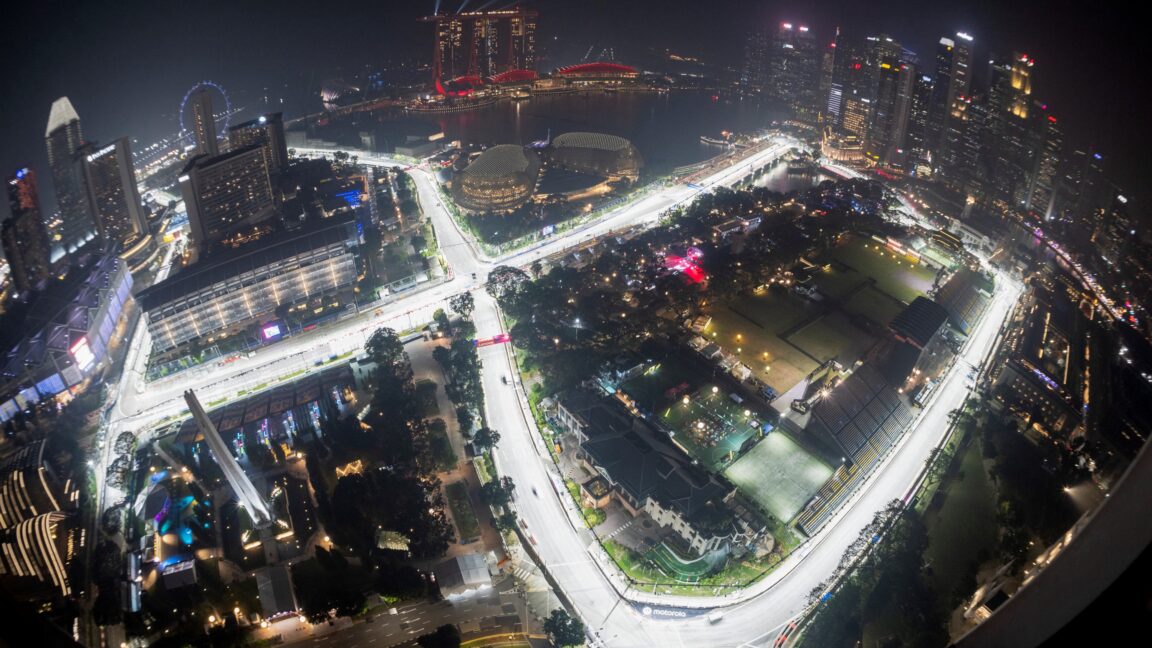
Image: Ars Technica · Source
Max Verstappen secured pole position and a lights-to-flag victory in Singapore, marking the Red Bull as the season's fastest car amid challenging wet and dry conditions.
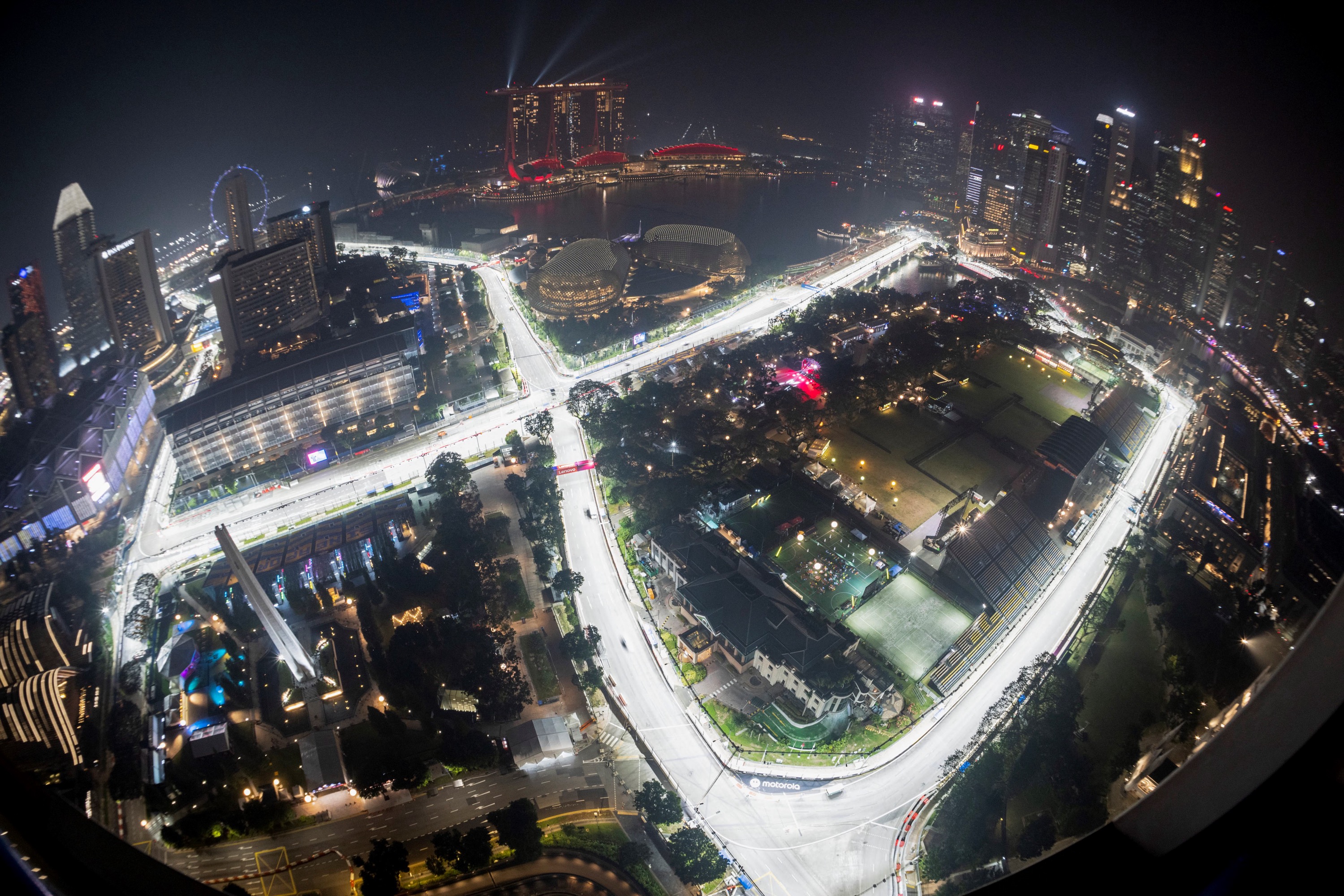
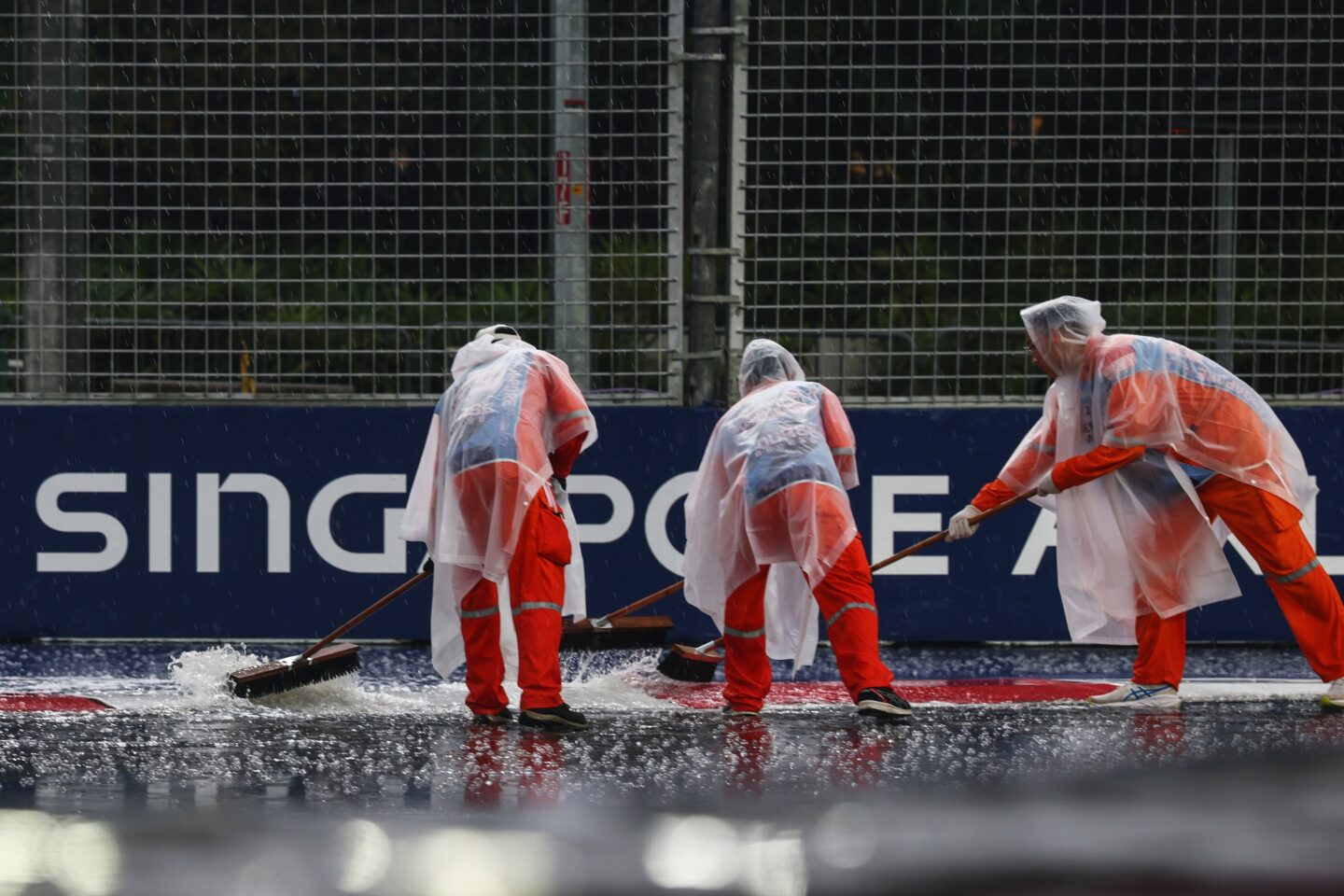
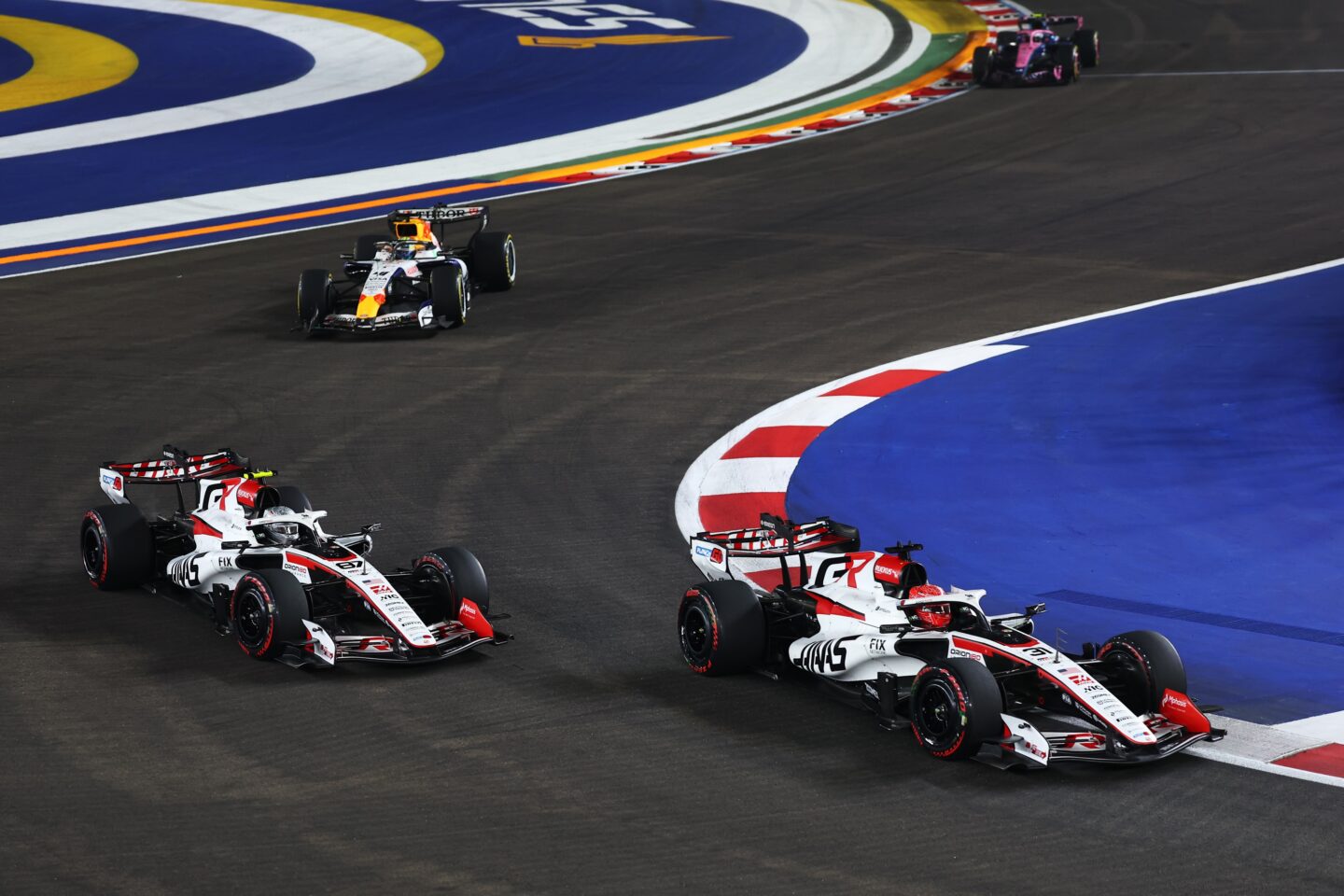
The 2026 Formula 1 season entered a critical phase at the Singapore Grand Prix, with night racing showcasing both the sport's spectacle and technical challenges. The floodlit street circuit's tight, concrete-lined track proved a stark contrast to the previous Grand Prix at Malaysia, demanding immense precision from drivers. The weekend featured the sport's sixth sprint event — a brief qualifying race held ahead of the main race — delayed by 30 minutes due to heavy rain leaving standing water on the track. The wet conditions forced all competitors onto intermediate tires, heightening risks on the slippery painted track surfaces typical of street circuits.
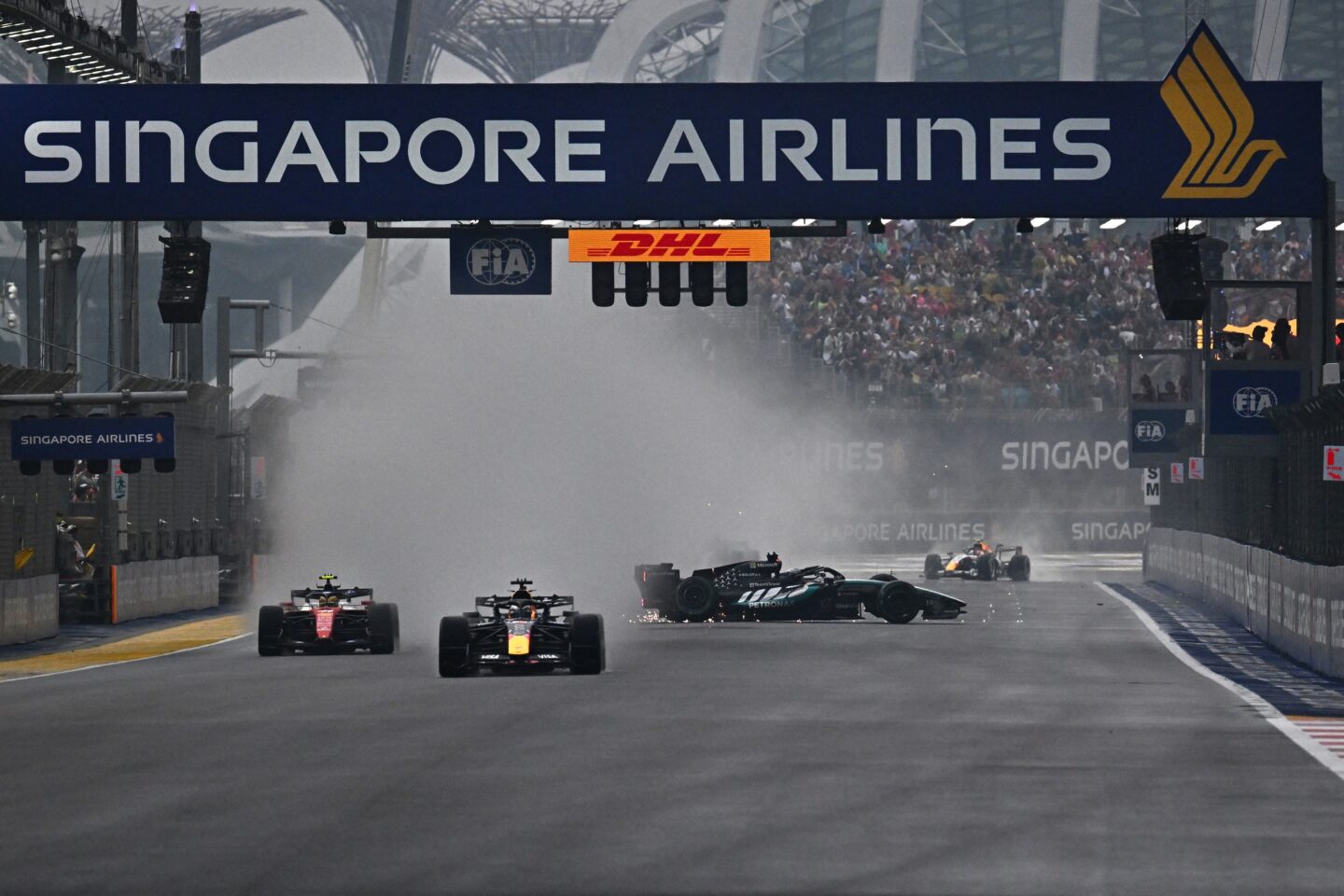
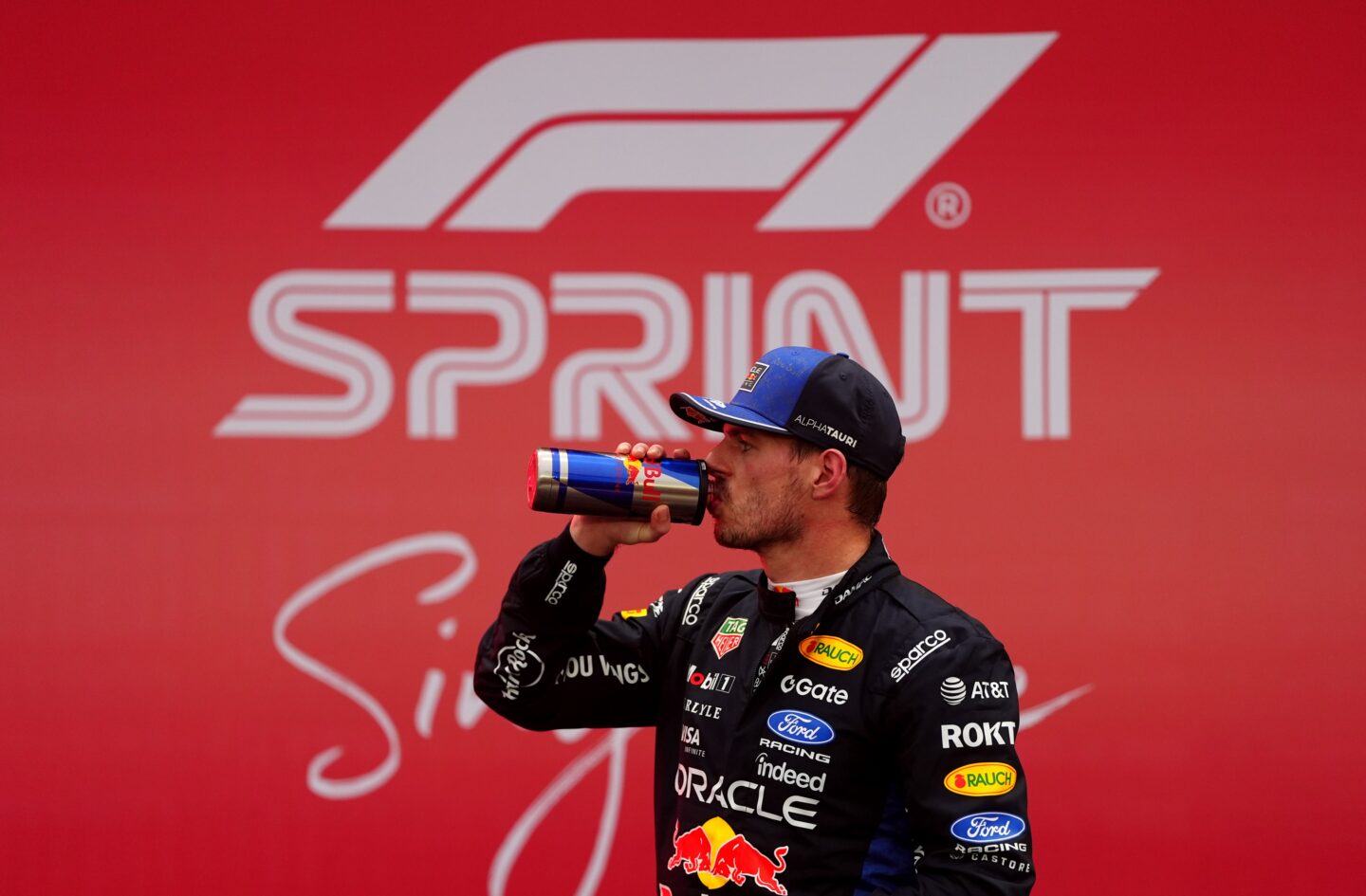
Mercedes driver George Russell took an early lead in the sprint from second on the grid, overtaking polesitter Max Verstappen's Red Bull. However, Russell's race ended abruptly after he lost control on a wet section near the final corner, colliding with the barriers and damaging his car. He attributed the incident to a misjudgment in the rain, stating it was a "silly mistake" and his first crash of the year. Verstappen, inheriting the lead, managed to hold off challenges from Ferrari’s Lewis Hamilton and Charles Leclerc to win the sprint, though he downplayed it as a true victory, focusing instead on the upcoming Grand Prix.
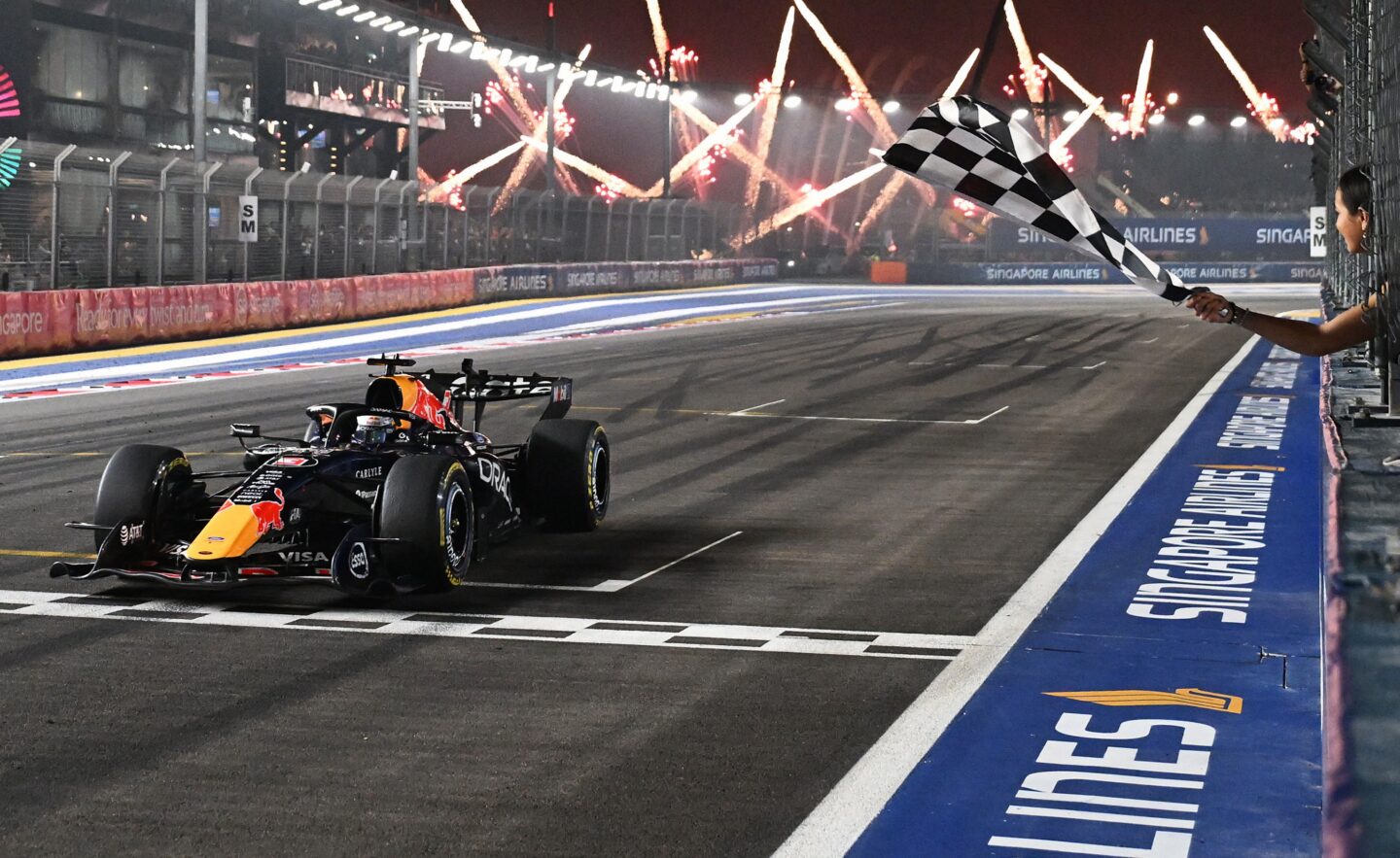
During qualifying, Verstappen secured pole position, with Leclerc and Hamilton lining up behind him. In the main race, Verstappen dominated, leading from start to finish despite radio communication issues and managing tire wear effectively to maintain his advantage during pit stops. This marked his first ever victory at Singapore and underscored recent improvements to Red Bull's car, including an updated chassis and one of the most powerful V6 engines on the grid. Verstappen acknowledged that the car has become more "driveable and predictable," key factors in his recent strong performances.
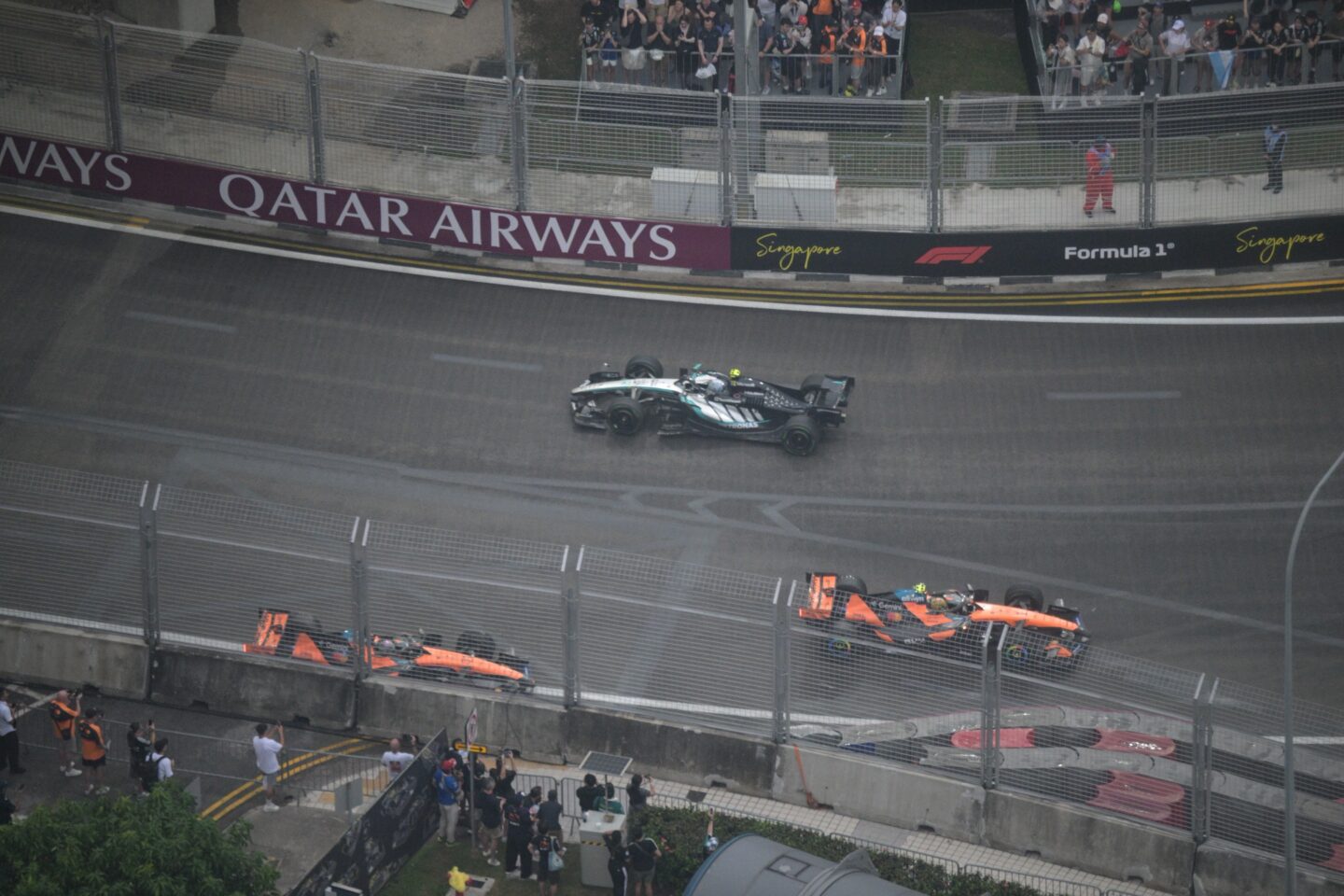
Ferrari’s Leclerc finished second, earning fastest lap honors, while Hamilton’s race was hampered by a suboptimal tire strategy and a costly mistake during a virtual safety car period that dropped him from third to sixth. The weekend also featured intra-team battles, notably between McLaren teammates Oscar Piastri and Lando Norris, whose collision in the sprint race caused significant damage and lost points for the team. Norris later admitted fault, emphasizing the importance of team over personal gains.
Looking ahead, the Formula 1 circus moves to the Circuit of the Americas in Austin, Texas, where Kimi Antonelli leads the championship with a sizeable points margin over rivals including Russell and Verstappen. While Antonelli has a chance to clinch the title in Texas, various finishing scenarios keep the championship open for now. Verstappen’s recent form positions him as a strong contender for podium finishes in upcoming races, particularly given Mercedes’ current struggles with upgrades.
Ars Technica will continue coverage from Austin, aiming to provide insights into team strategies, power unit programming, and the evolving role of carbon-neutral synthetic fuels in Formula 1’s technological future.
Sources and original reporting
Read the original source ↗
Comments (0)
No comments yet. Start the discussion.
Write a comment
Comments are published after moderation. Your name and comment will be visible publicly. Account