
Microsoft Unveils AI-Optimized Surface Laptop Ultra and Dev Box with New Windows AI Features

Image: Ars Technica · Source
At a major event, Microsoft revealed the Surface Laptop Ultra powered by Nvidia RTX Spark SoC and the RTX Spark Dev Box for AI developers, alongside significant Windows 11 updates focused on local AI and agentic workflows.
Microsoft recently held its first live event in two years, spotlighting its strategic push toward integrating artificial intelligence more deeply into personal computing. Central to the announcements were new hardware and comprehensive updates to Windows 11 aimed at enhancing local AI development and usage.
The centerpiece hardware reveal was the Surface Laptop Ultra, a high-end machine designed primarily for developers and AI enthusiasts. Starting at $2,599, this laptop is the first to feature Nvidia’s RTX Spark system on a chip (SoC), available with either a 5120-core or 6144-core Blackwell GPU and supporting up to 128GB of LPDDR5x unified memory. Its unified memory architecture enables flexible allocation of resources, allowing the device to handle both intensive graphical tasks, such as running AAA games like "Gears of War: E-Day," and complex AI workloads without relying on traditional VRAM constraints. The Surface Laptop Ultra becomes available on October 16, with pre-orders already open.
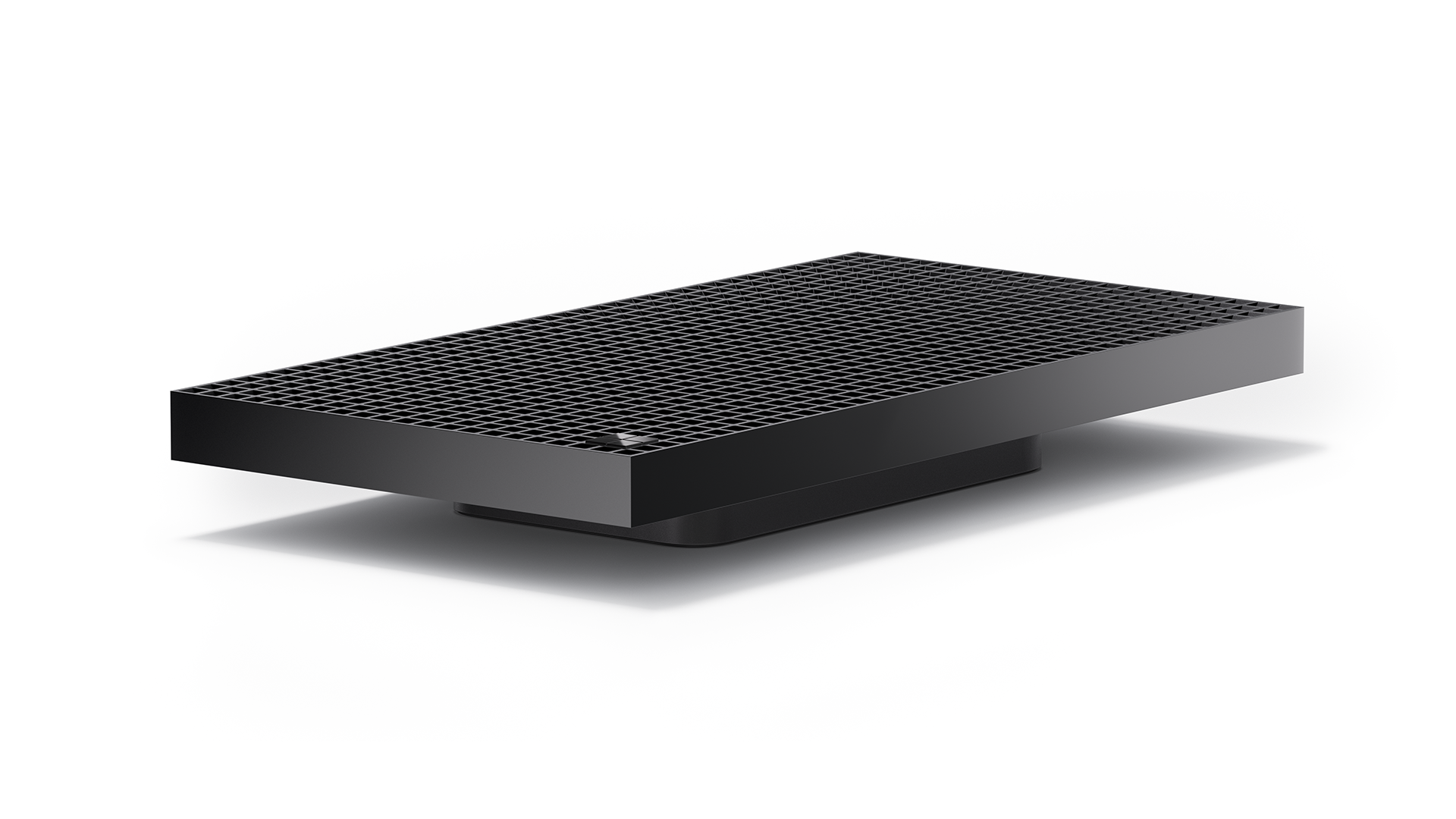
Complementing the laptop, Microsoft introduced the Surface RTX Spark Dev Box—a sleek, box-style device priced at $5,999—built to serve frontier developers focusing on AI. Featuring 128GB of unified memory and an onboard Nvidia RTX GPU, the Dev Box delivers up to one petaflop (1,000 teraflops) of AI computing power. It runs a custom, developer-optimized version of Windows 11 pre-configured for AI development and local AI deployment. Its design, with over 1,000 chassis vents symbolizing its computing capability, resembles a compact game console more than a traditional PC.
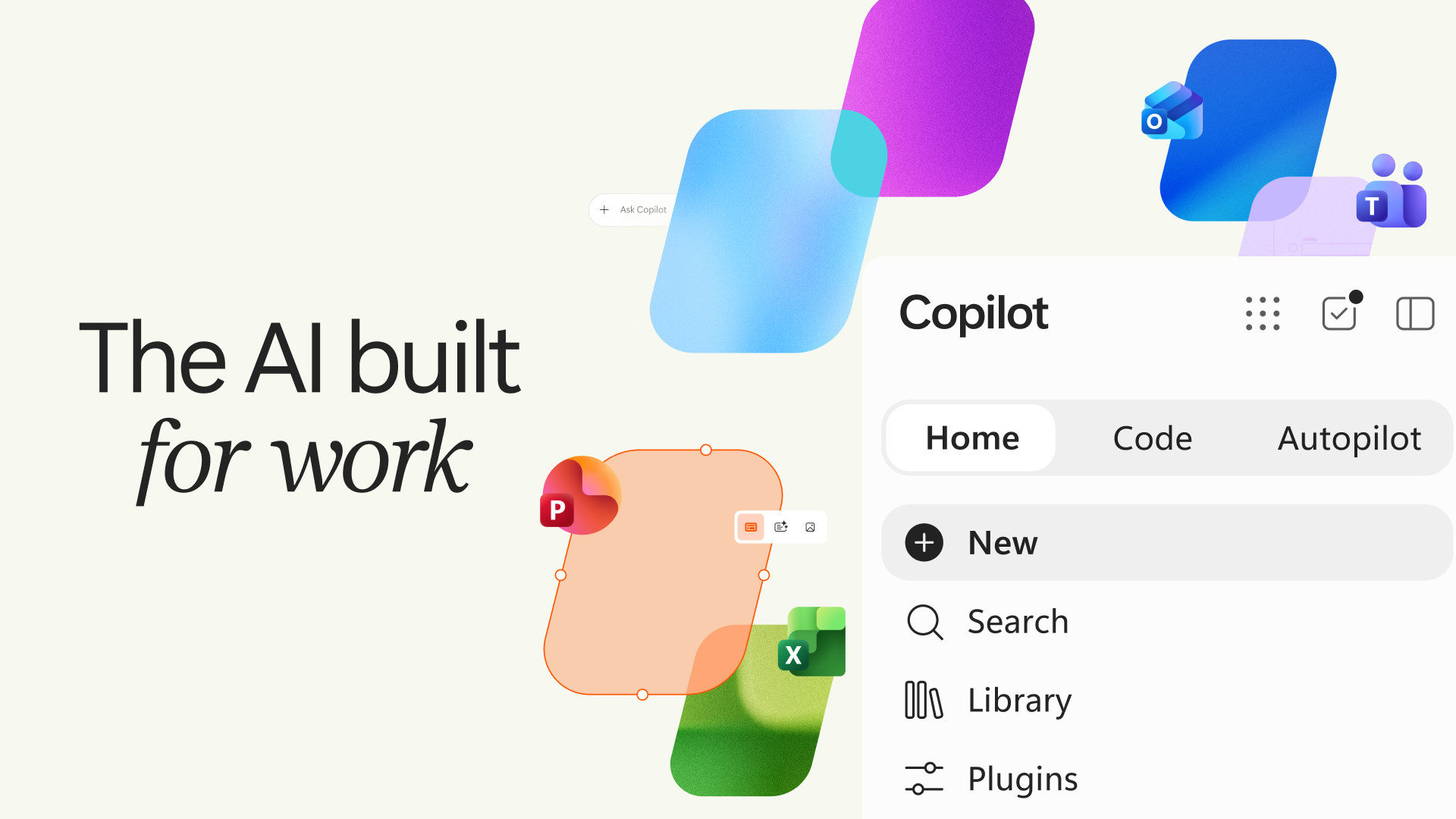
On the software front, Windows 11 will receive a significant upgrade this fall to better support local AI workloads. Microsoft's built-in AI assistant, Copilot, is being revamped with a new interface featuring three tabs: Home, for interacting with large language models; Code, enabling users without prior programming experience to create widgets and apps via AI prompts; and Autopilot, where users manage AI agents performing automated tasks.
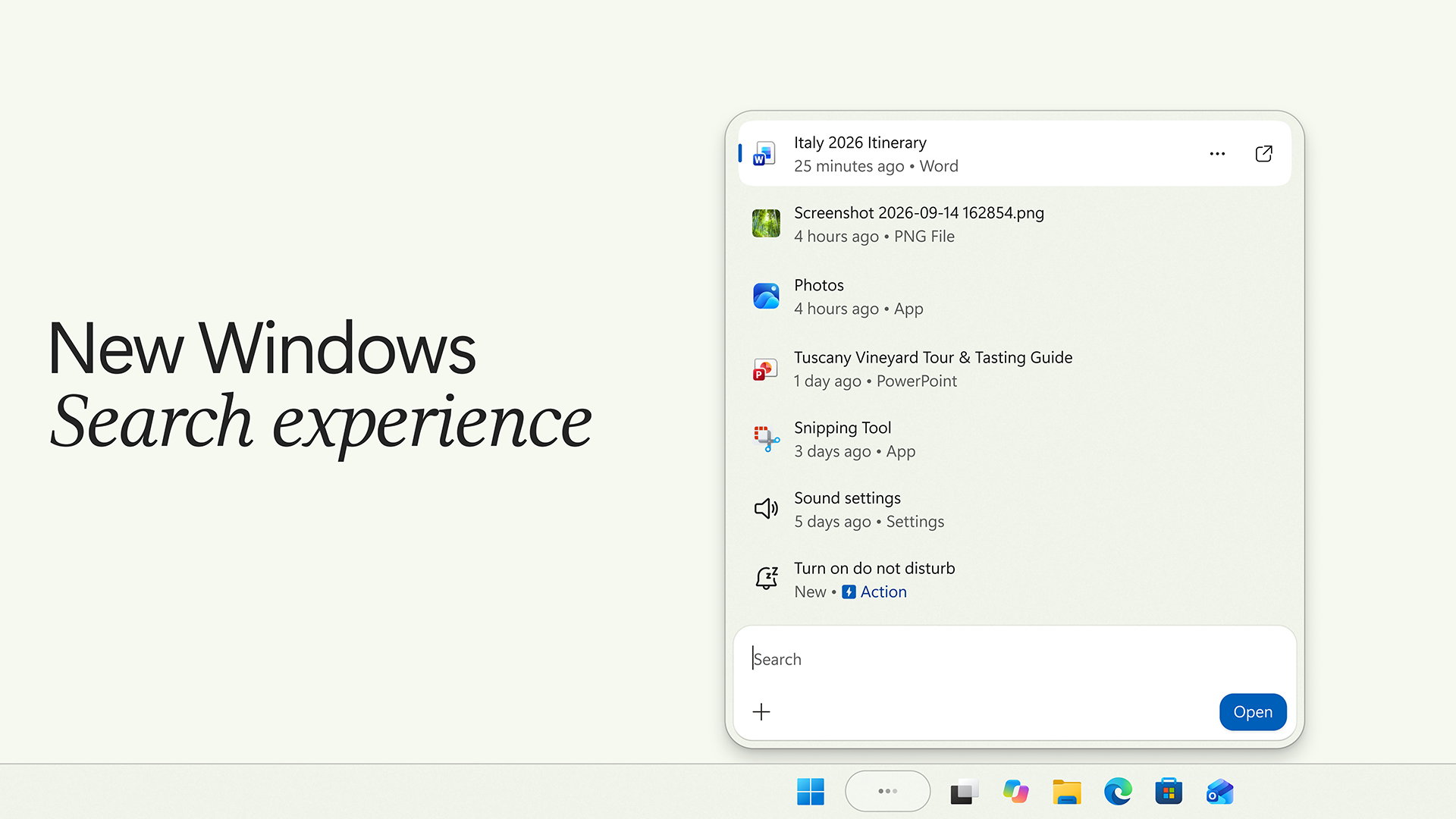
Further enhancing usability, the updated Windows Search will allow users to execute system-level commands directly from the search bar, simplifying tasks like adjusting settings without manually navigating system menus.
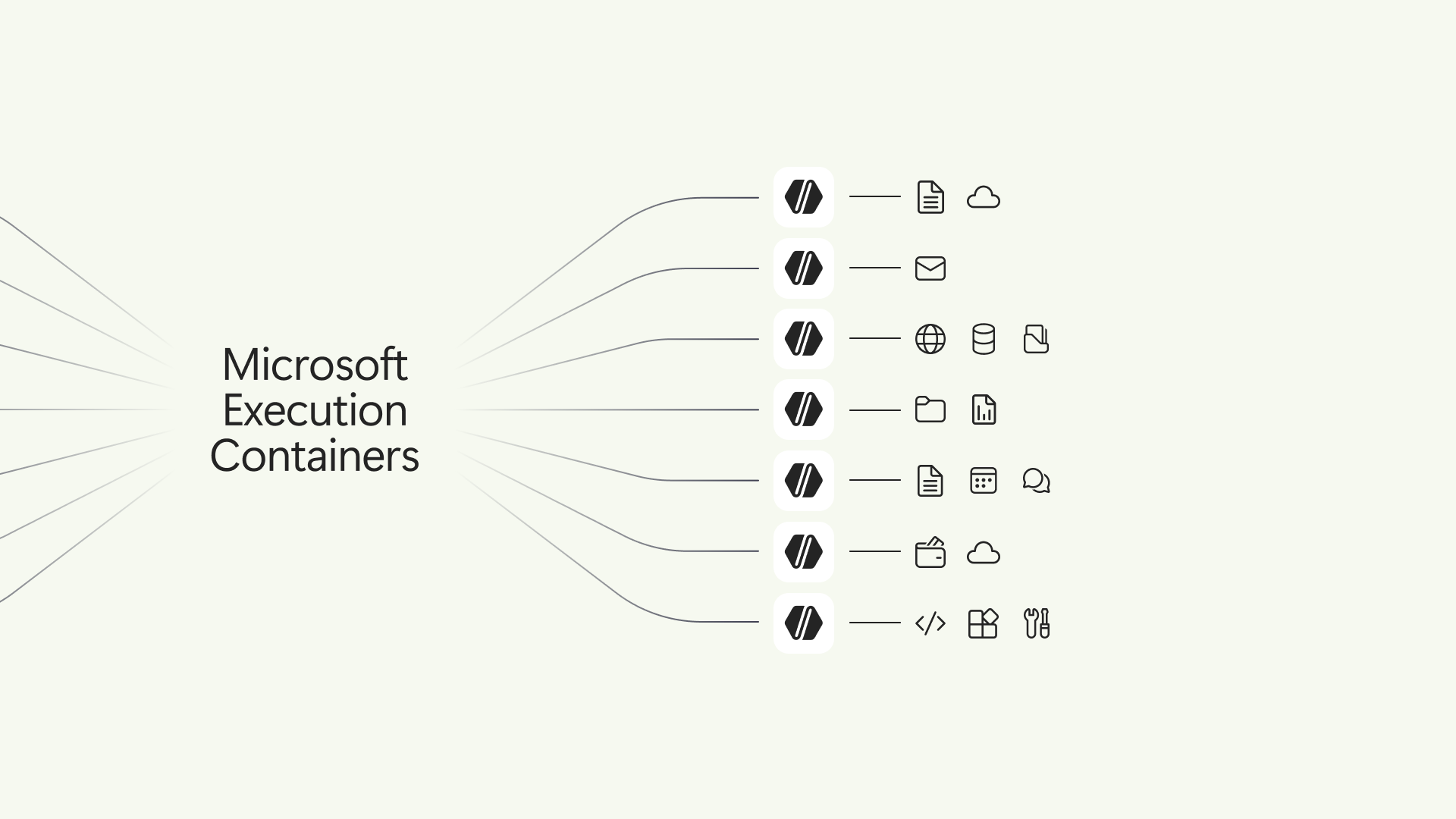
Addressing security considerations surrounding local AI agents, Microsoft unveiled Microsoft Execution Containers (MXC). This security framework confines AI agent activities within sandboxed environments, allowing administrators to monitor and control agent access and behavior rigorously. MXC dynamically directs workloads to various isolation backends, including process containers, Windows Subsystem for Linux (WSL) containers, and even experimental hardware-backed isolation technologies like MicroVM.
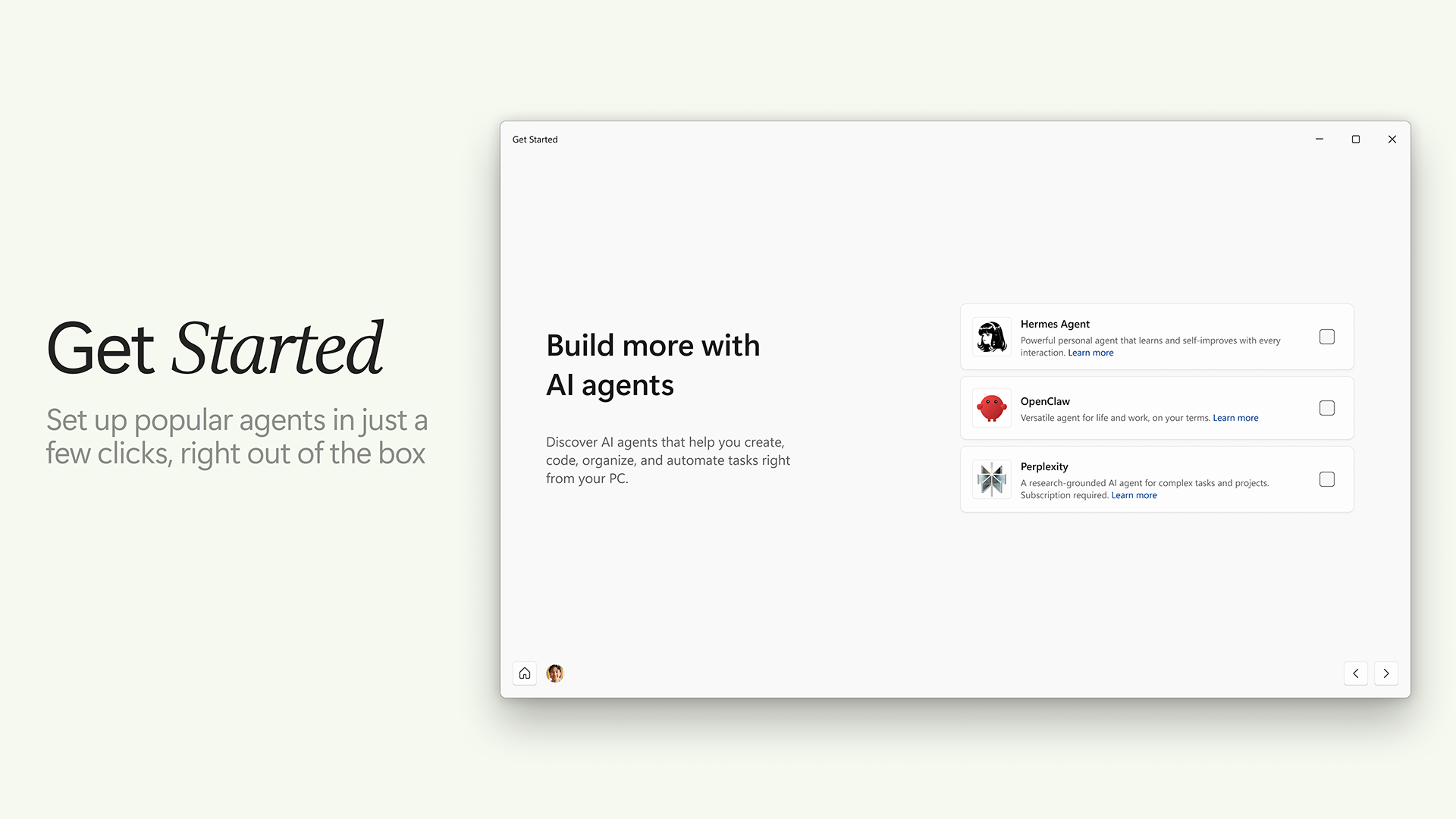
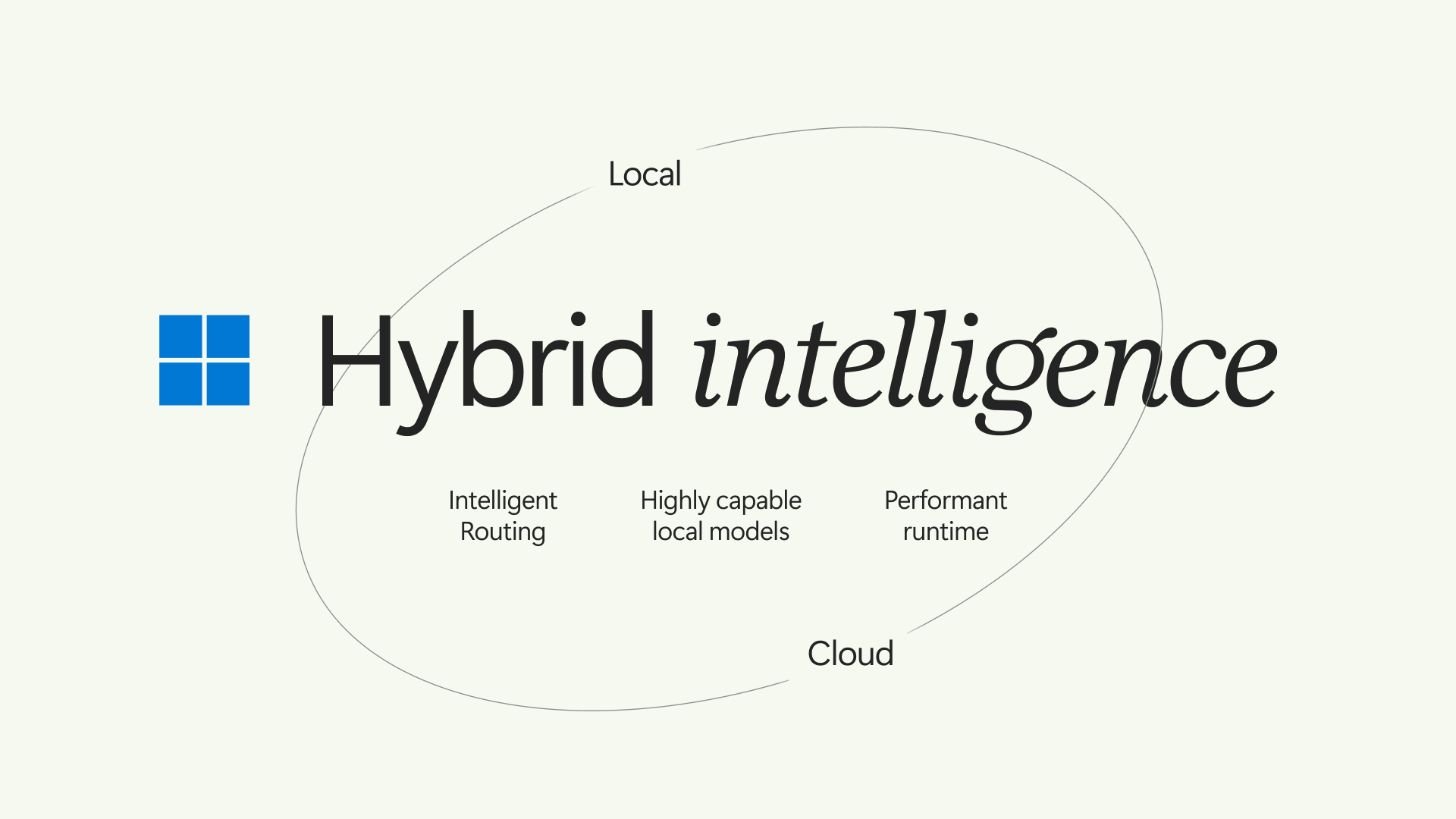
Together, these advances under Microsoft’s concept of “Hybrid Intelligence” represent a shift toward enabling local AI capabilities alongside traditional cloud-based solutions. This approach allows users to allocate memory flexibly among applications and gain native support for popular local AI frameworks, including llama.cpp and models developed by Deepseek and Nvidia Nemotron.
While Microsoft’s new offerings position local AI as a transformative force in personal computing, questions about security, privacy, and user adoption remain, especially given past challenges in AI deployment. The Surface Laptop Ultra's imminent launch will provide the first opportunity to evaluate how effectively these innovations deliver on their promise and whether they justify the premium price tag.


Sources and original reporting
Read the original source ↗
Comments (0)
No comments yet. Start the discussion.
Write a comment
Comments are published after moderation. Your name and comment will be visible publicly. Account