
Margaret Hamilton, Pioneer of Software Engineering and Apollo 11 Code Architect, Passes Away at 90
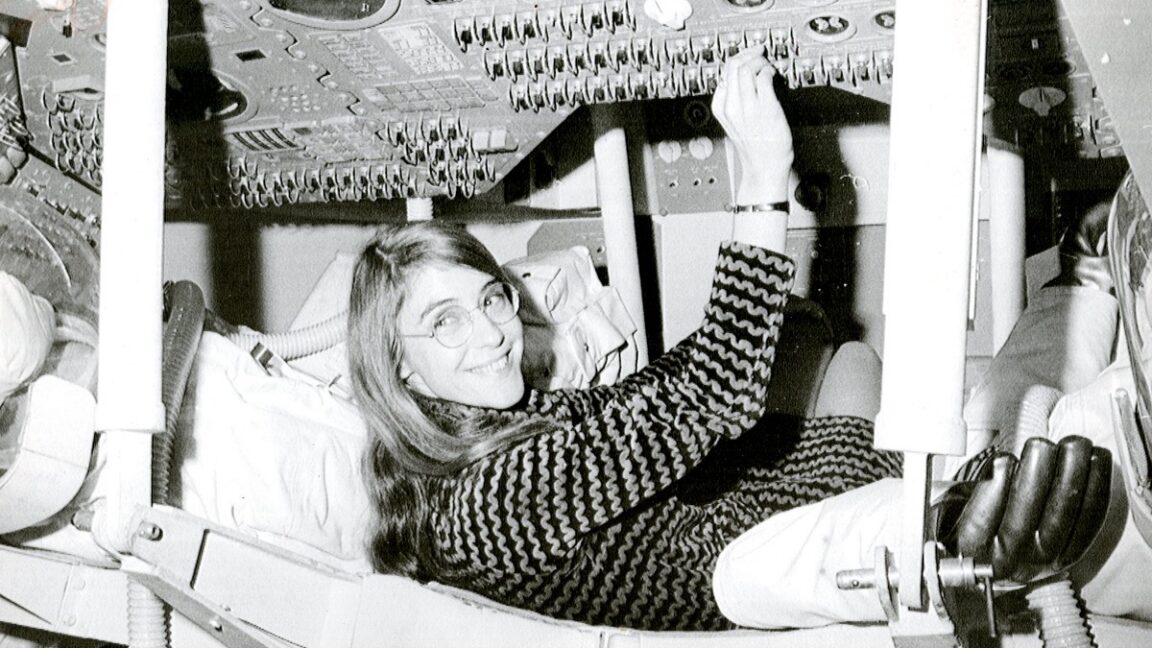
Image: Ars Technica · Source
Margaret Hamilton, who coined 'software engineering' and led Apollo program software development, died aged 90. Her fail-safe code was crucial during Apollo 11's Moon landing, preventing mission abort despite computer overload alarms.
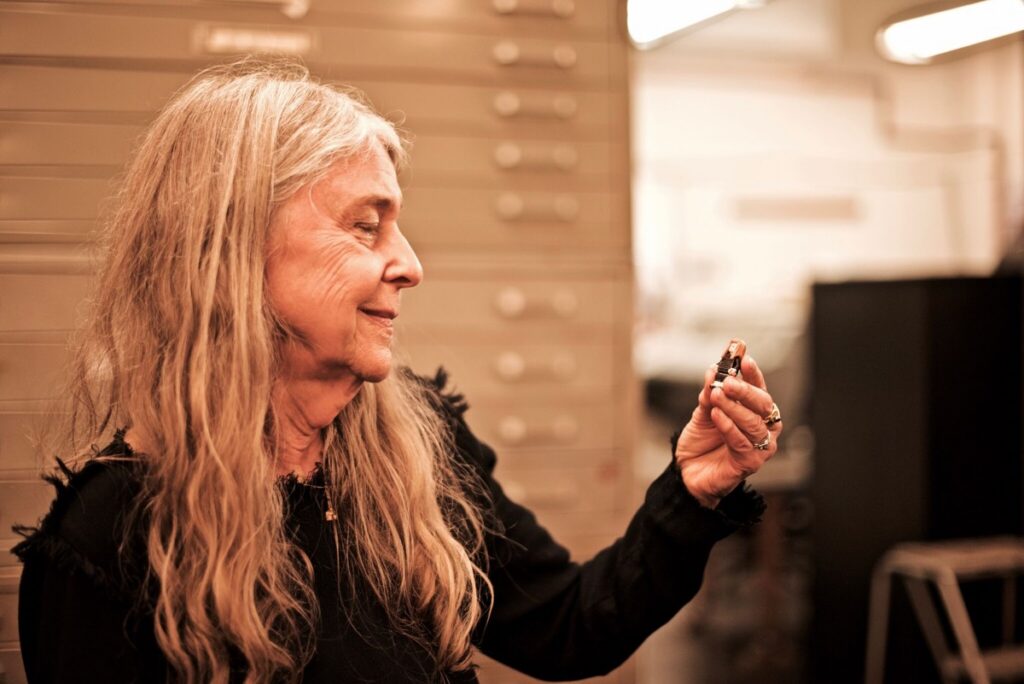
Margaret Hamilton, a pioneering software engineer credited with coining the term “software engineering,” has passed away at the age of 90. Hamilton’s most renowned achievement was leading the development of the onboard flight software for NASA’s Apollo program during the 1960s, an effort critical to the success of the historic Moon landings.
Born in 1936 in Indiana, Hamilton graduated from Earlham College with a mathematics degree and a minor in philosophy. She initially worked with MIT mathematician Edward Lorenz on early computer programming for weather modeling, despite neither having formal programming experience. This early exposure to computing spurred her interest in software reliability.
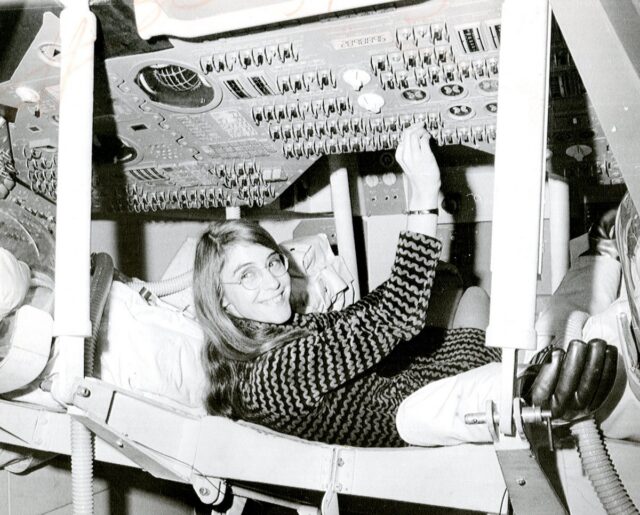
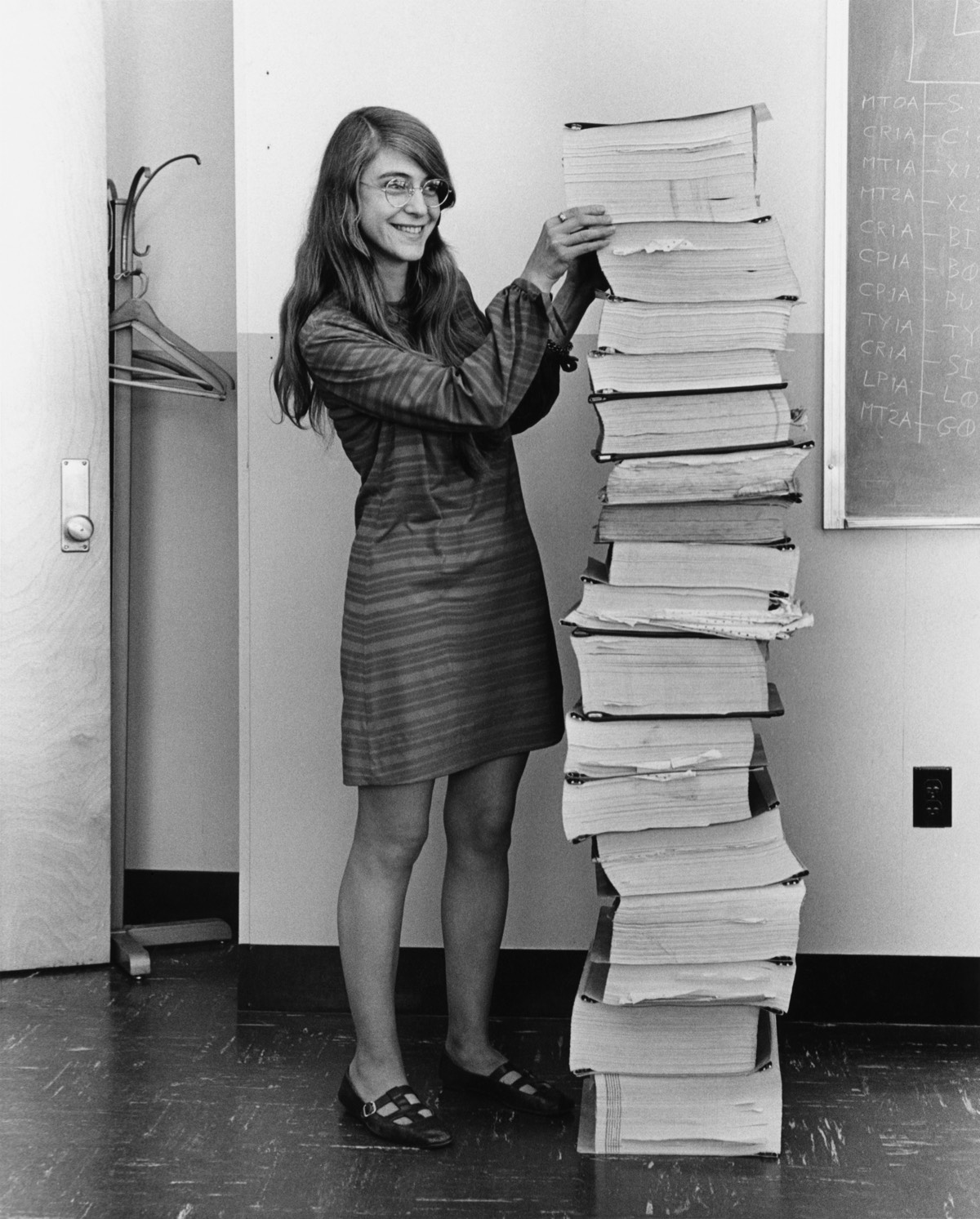
By 1961, Hamilton joined projects at MIT and eventually was hired as the first programmer—and the first woman—on MIT’s Instrumentation Lab team tasked with creating the Apollo spacecraft’s guidance software. She oversaw six lunar landing mission software efforts from 1969 to 1972. The Apollo guidance computer software operated on hardware constructed with copper wire coils woven by textile workers, earning Hamilton the nickname “rope mother.”
During the Apollo 11 moon landing, a computer overload triggered alarms caused by the guidance computer handling more tasks than expected. Thanks to failsafe priority scheduling integrated by Hamilton’s team, the computer dropped low-priority tasks but preserved critical functions, enabling the Eagle lunar module to land safely on the Sea of Tranquility. Astronaut Jim Lovell had previously encountered a related error, known internally as the “Lauren bug” after Hamilton’s daughter’s accidental input during simulations.
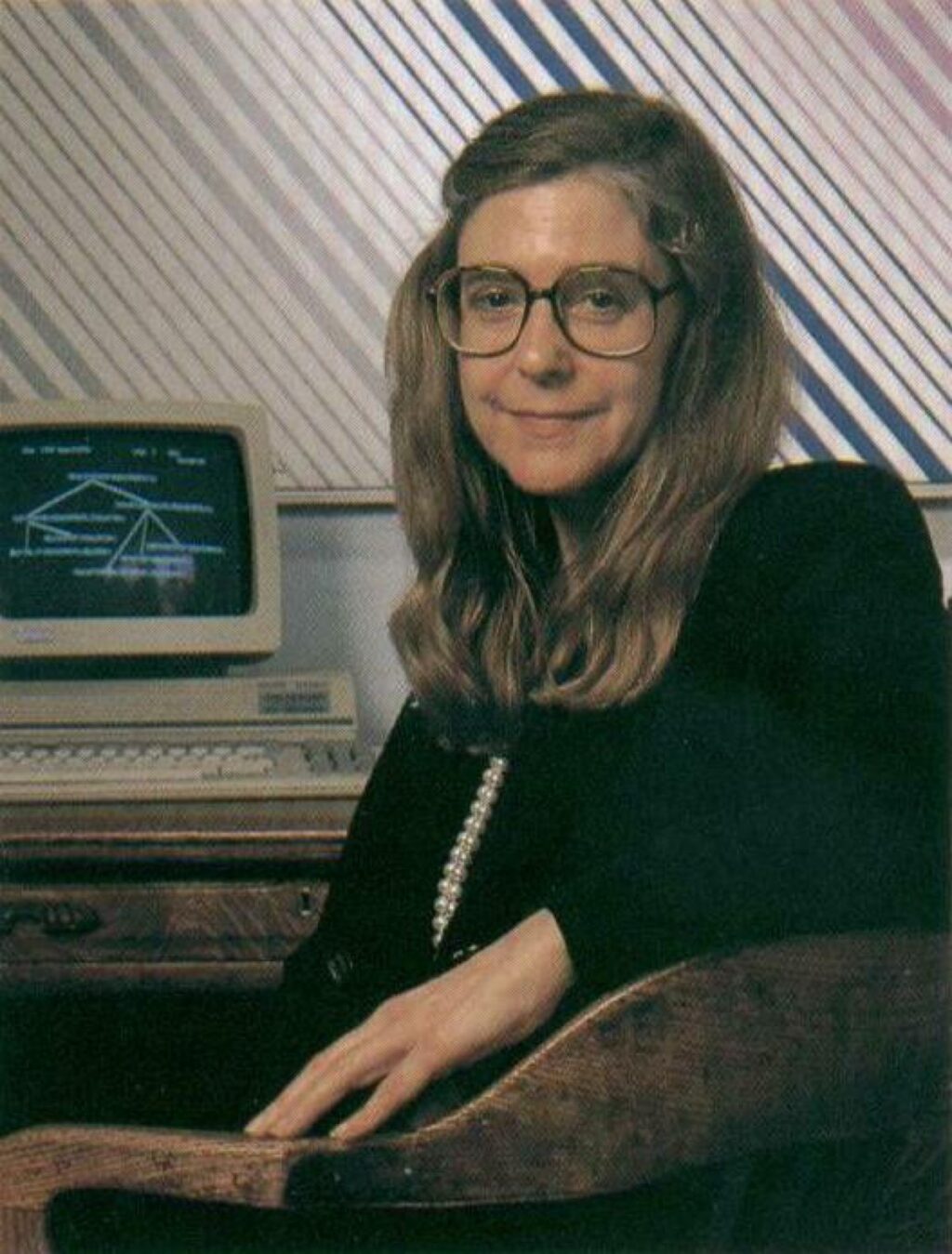
Beyond Apollo, Hamilton’s work led her to found two successful software companies focused on error prevention and fault-tolerant programming. Her Universal Systems Language (USL) approach furthered robust software development.
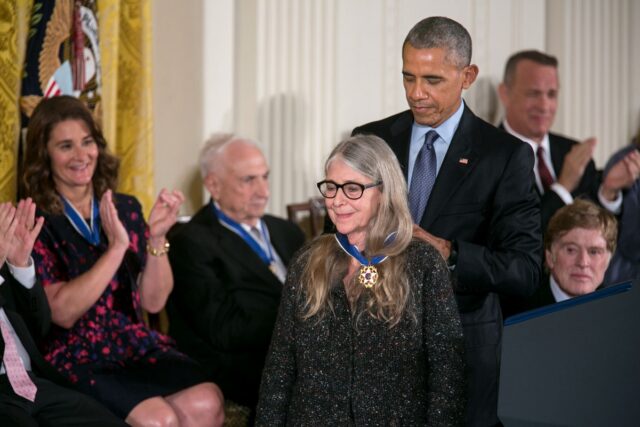
Hamilton’s contributions received broad recognition, including the Presidential Medal of Freedom and a LEGO minifigure in the “Women of NASA” set. Her Apollo software was made publicly accessible on GitHub in 2015, preserving her legacy. She is survived by her daughter, grandchildren, and siblings.
Her work not only enabled historic space exploration milestones but also helped shape software engineering as a respected discipline, highlighting the vital role of software reliability in complex systems.

Sources and original reporting
Read the original source ↗
Comments (0)
No comments yet. Start the discussion.
Write a comment
Comments are published after moderation. Your name and comment will be visible publicly. Account