
Challenges Mount for Financing Space-Based Data Center Chips
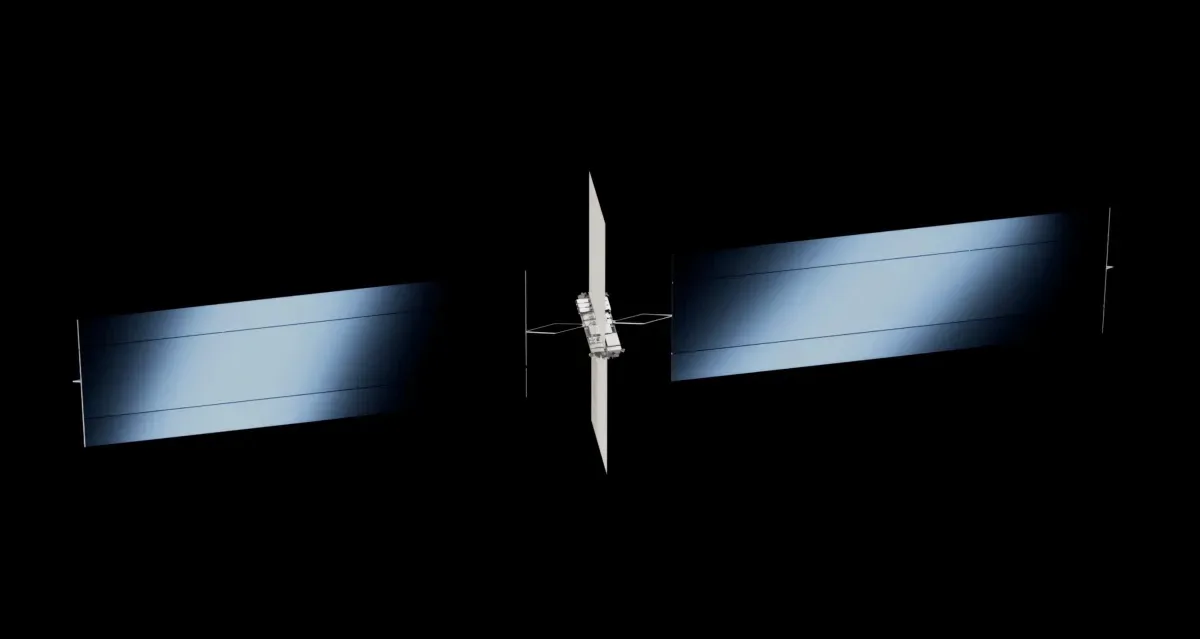
Image: TechCrunch · Source
While semiconductor chips can operate in space, financing their deployment in orbital data centers faces hurdles. Traditional lending relies on repossessing hardware—a strategy unworkable for orbiting chips, complicating funding for space data centers.
The concept of deploying data centers in space is garnering interest due to potential operational advantages, but significant challenges remain, especially in financing these endeavors. Unlike terrestrial data centers, where equipment like semiconductor chips serve as collateral in debt financing, chips launched into orbit cannot be repossessed if borrowers default. This deviation from the norm poses obstacles for traditional lenders.
On Earth, cloud providers commonly leverage debt financing to expand their data center infrastructure, with semiconductor chips playing a crucial role as collateral because they retain considerable resale value. Research from the Compute Credit Research Index indicates that certain NVIDIA H100 and H200 chips still command prices close to their launch values years after release, which underpins lender confidence.
However, when chips are installed on satellites orbiting approximately 300 miles above Earth at high velocities, repossession is practically impossible. According to a Financial Times report referenced by TechCrunch, lenders in SpaceX's $40 billion chip financing deal have requested restrictions preventing those chips from being used in orbital data centers, though it is unclear if SpaceX has agreed to this stipulation.
Despite these financial constraints, SpaceX has found profitability in deploying compute resources at terrestrial ground stations and is accelerating such initiatives by reallocating engineering talent from its rocket division. CEO Elon Musk has projected that space could become the most cost-effective environment for data centers within two to three years, contingent on advancements such as making the Starship rocket fully reusable. The latest Starship test demonstrated partial reusability by recovering the second stage, but the first stage failed to return, and the schedule and costs for subsequent flights remain uncertain.
Other startups—StarCloud, Cowboy Space Company, Sophia Space, Orbital, and more—are also exploring space-based data centers. All will face the challenge of acquiring chips more expensively than terrestrial operations because of the unique risks and lack of collateral options.
Interestingly, companies like Google, which is advancing its own TPU chips for space applications through Project Suncatcher, may hold a competitive advantage. Meanwhile, SpaceX, in collaboration with Tesla, aims to enter chip production via the planned Terrafab foundry. However, this facility has not yet begun construction and will take years and substantial investment before producing semiconductors at scale.
In summary, while semiconductor hardware can function in space, the inability to secure traditional financing due to collateral issues and the high costs of space deployment complicate the expansion of space-based data centers. Progress depends on technological, economic, and logistical breakthroughs in rocketry, chip manufacturing, and financing models.
Sources and original reporting
Read the original source ↗
Comments (0)
No comments yet. Start the discussion.
Write a comment
Comments are published after moderation. Your name and comment will be visible publicly. Account