
Jensen Huang’s Exit Creates Funding Gap in AI Startup Ecosystem, Say VCs and Founders
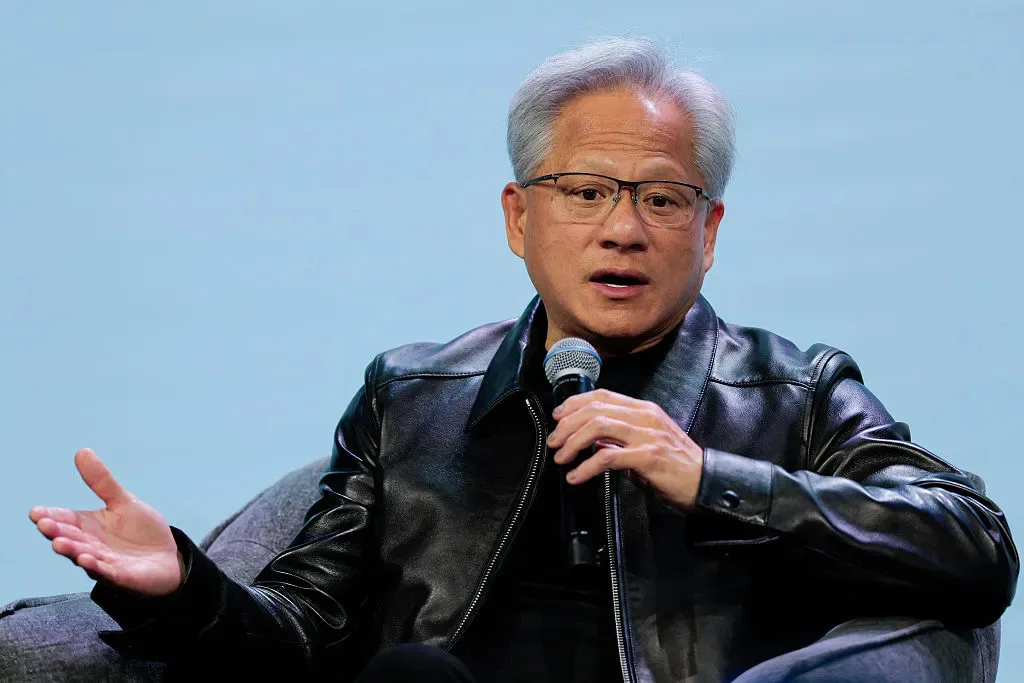
Image: TechCrunch · Source
Nvidia CEO Jensen Huang’s departure halts the company’s extensive AI startup investments, causing concerns about reduced funding, lower valuations, and ecosystem impacts among investors and founders.
Jensen Huang’s resignation as CEO of Nvidia after 33 years has sent shockwaves through the AI startup ecosystem. Huang was instrumental in Nvidia’s aggressive investment strategy in AI startups, with the company investing tens of billions annually and participating in over 100 funding rounds this year alone, often as the lead investor. His departure leaves a significant void in funding, which founders and venture capitalists fear will constrict dealmaking and negatively impact valuations.
Investment decisions were largely driven by Huang himself, according to industry insiders. With Colette Kress stepping in as interim CEO, a more conservative approach to funding AI startups is expected. Kress is likely to restrain Nvidia’s financial commitments, especially to early-stage companies instrumental in building the AI data center infrastructure, a field where Nvidia had been a key enabler.
Nvidia’s investments often supported high-capacity cloud providers, open weight model developers, and emerging AI inference companies that require substantial capital outlays. The company’s commitment helped foster an ecosystem that might otherwise have struggled due to these costs. Notable examples of Nvidia’s backings include investments in CoreWeave, Crusoe, Hugging Face (acquisition pending closure), Mistral AI, Lambda, and Black Forest Labs.
Industry observers note that Nvidia’s broad support extended beyond the U.S., significantly aiding European AI initiatives, creating a global funding network that could falter without Huang’s leadership. However, Nvidia’s heavy involvement also solidified its dominant market position by encouraging startups to rely on its chips, reinforcing an ecosystem heavily vested in Nvidia technology.
The anticipated pullback in Nvidia’s funding could open opportunities for competitors such as Google, Amazon, Microsoft, and AMD to invest more aggressively in AI startups to promote their own platforms. Still, experts believe these companies might focus on mature startups rather than early-stage infrastructure projects, which Nvidia had uniquely supported with large capital infusions.
While the slowdown in Nvidia’s startup investments is expected to cause a temporary contraction in AI funding and valuations, industry veterans do not foresee it halting the broader AI momentum. The ecosystem’s growth and innovation are bigger than any single individual or company, and the entrepreneurial and venture communities will continue to adapt and thrive despite this leadership change.
Sources and original reporting
Read the original source ↗
Comments (0)
No comments yet. Start the discussion.
Write a comment
Comments are published after moderation. Your name and comment will be visible publicly. Account