
Plurai Leverages Self-Driving Car Simulation Techniques to Enhance AI Agent Reliability
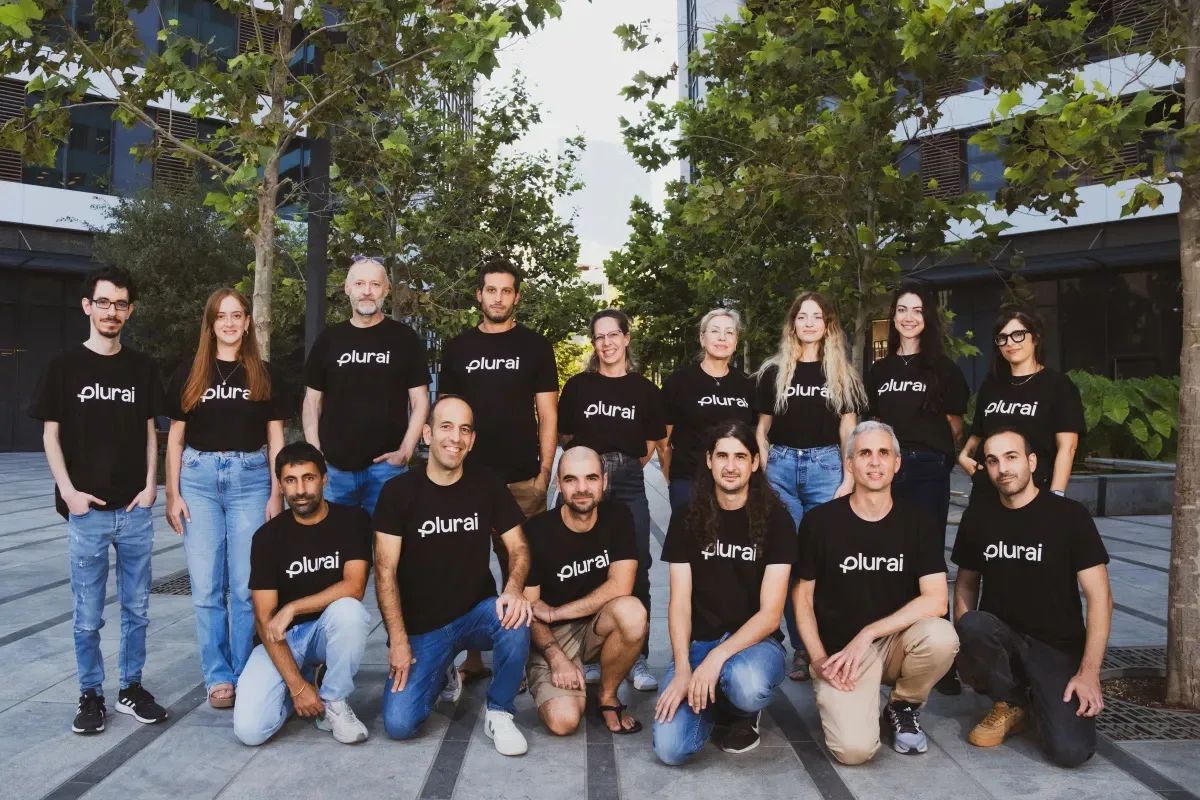
Image: TechCrunch · Source
Plurai applies simulation methods inspired by autonomous vehicle development to improve AI agent performance, using digital twins and synthetic data to handle complex tasks more reliably and cost-effectively.
AI agents have gained significant attention for their potential to automate complex tasks, but existing models often struggle with reliability and precision, particularly in real-world, unpredictable environments. Recent benchmarking efforts such as LiveBench 2.0 and internal corporate simulations reveal that even leading AI agents typically complete only around 75-83% of tasks accurately, highlighting ongoing limitations.
Plurai, a startup led by former Nexar autonomous vehicle experts Ilan Kadar and Elad Levi, aims to address these shortcomings by employing simulation techniques that mirror those which enabled self-driving cars to be roadworthy. Inspired by their prior work with end-to-end deep learning models for autonomous driving, the founders observed parallels in AI agents where showcasing demos is easy, yet developing dependable, cost-efficient solutions is challenging.
Announced on November 11, 2026, Plurai’s $13 million seed funding round, backed by Team8 and other investors, will advance its approach of building digital twins of a company’s electronic systems—including knowledge bases and operational tools. This digital twin framework generates a comprehensive map of all potential interaction flows for AI agents, allowing the system to identify and prepare for edge cases through evaluations and targeted fixes. Their platform is designed to complement existing agentic AI technologies such as Claude Code, Codex, GitHub Copilot, and Cursor.
A significant innovation in Plurai’s offering is the post-training of smaller, customized open-weight models based on data collected via these simulations. Collaborations with Nvidia and Nebius indicate that these tailored models can outperform mid-tier industry-standard models with substantially reduced computational costs—often achieving one to two orders of magnitude in savings.
Google DeepMind researcher and angel investor Reah Miyara highlights Plurai’s expertise in understanding AI failure modes in production and in generating synthetic data to fine-tune models. This capability is particularly valuable as businesses seek to optimize AI deployments against rising expenses linked to large general-purpose models, which may not align closely with specific organizational data and policies.
While the broader AI community advances general intelligence, Plurai’s strategy emphasizes specialized, simulation-informed AI agents tailored for distinct business environments. This mirrors trends observed in robotics, where domain-specific AI systems currently achieve more consistent real-world results than generalized AI.
According to Kadar, despite ongoing improvements in major AI models like those from OpenAI and Anthropic, proprietary knowledge of individual businesses and policies remains critical to effective AI agent deployment—a niche Plurai targets by integrating domain-specific simulations and training into its platform.
Plurai’s approach could represent an important step in scaling reliable, cost-efficient AI agent solutions that better meet practical enterprise needs by adapting lessons learned from autonomous vehicle technology.
Sources and original reporting
Read the original source ↗
Comments (0)
No comments yet. Start the discussion.
Write a comment
Comments are published after moderation. Your name and comment will be visible publicly. Account