
Midterm Election Results Signal Challenges Ahead for Elon Musk and Data Center Expansion
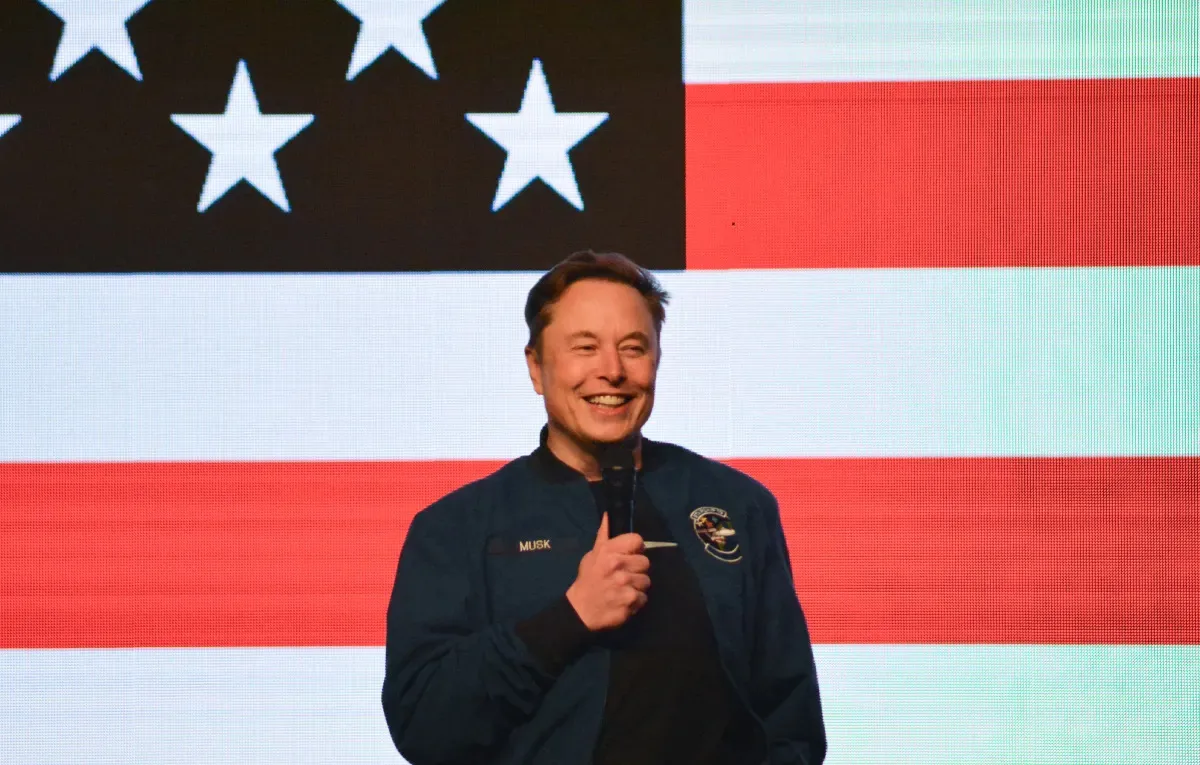
Image: TechCrunch · Source
Democratic victories and local ballot measures rejecting data centers indicate growing political resistance against tech infrastructure expansions, prompting companies like OpenAI to revise their data center policies.
The recent midterm elections in the United States have introduced significant uncertainty for the tech industry, particularly regarding the future of data center development. A historic Democratic victory at the national level coincided with numerous local ballot measures opposing the construction and expansion of data centers. These electoral outcomes suggest a rising political and grassroots backlash against hyperscalers and large-scale computing facilities.
Among the notable political changes, Texas elected Gina Hinojosa as governor, who campaigned on limiting data center growth, signaling potential regulatory hurdles in one of the country's most important tech hubs. This is especially consequential for major industry players headquartered in Texas, including Elon Musk's companies. Despite Musk’s substantial financial support totaling approximately half a billion dollars to Republican candidates, the state’s political landscape has shifted significantly toward Democrats, limiting the influence his political donations might have yielded.
TechCrunch’s Equity podcast extensively discussed these developments. Sean O'Kane highlighted how the vote reflected a broader consensus against data center proliferation, with almost all ballot measures imposing restrictions or moratoriums on data centers passing successfully. Anthony Ha noted that although the anti-data center and anti-AI sentiment was not necessarily the primary driver of the Democratic wave, it has become a prominent and increasingly bipartisan issue that presents challenges for hyperscalers and technology companies over the next several years.
Kirsten Korosec emphasized the grassroots nature of the backlash. She pointed out criticisms of how hyperscalers often pursued data center approvals with secrecy, including non-disclosure agreements with officials and withholding information about projects’ environmental impacts, such as water usage in drought-prone regions. This lack of transparency has fueled public and political opposition.
In response to growing scrutiny, some companies are adapting their approaches. OpenAI recently unveiled what it calls a "compute campus policy blueprint," pledging greater transparency by removing NDAs and sharing more information about their facilities. This shift aims to address community concerns and regulatory uncertainties, suggesting that clearer guidelines and policies might encourage corporate cooperation.
However, the rebranding from "data center" to "compute campus" has met some skepticism, with commentators questioning whether such changes will meaningfully alter public perception or regulatory outcomes.
Beyond political obstacles, financial market dynamics are also influencing the landscape. Wall Street has grown cautious about hyperscalers heavily investing in data center infrastructure, which adds another layer of restraint for companies contemplating expansion. The combined effect of regulatory challenges and financial pressures could slow the pace at which new data centers are built.
Overall, the midterm election results reflect a pivotal moment for data center strategy and technology infrastructure development in the U.S. Companies will need to navigate evolving political, environmental, and financial considerations carefully as they plan future growth.
Sources and original reporting
Read the original source ↗
Comments (0)
No comments yet. Start the discussion.
Write a comment
Comments are published after moderation. Your name and comment will be visible publicly. Account