
Big Tech Shifts Focus After Midterms Amid Growing AI Oversight and Market Pressures
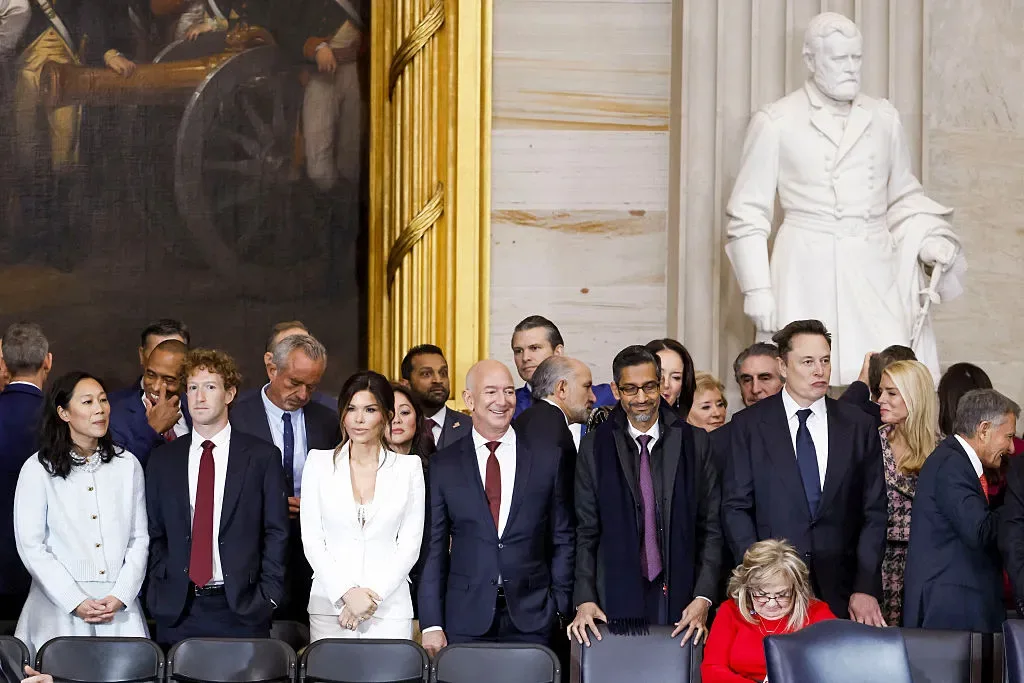
Image: TechCrunch · Source
Following recent U.S. midterm elections, major tech companies are recalibrating their political strategies, aiming to strengthen ties with Democrats who favor increased AI regulation, while navigating rising scrutiny in states and markets.
Ahead of the recent U.S. midterm elections, major technology firms such as OpenAI and Meta have taken steps to realign politically with Democratic lawmakers, reflecting a shift from their previous closeness to the Trump administration. OpenAI notably hired Jessica Schumer, daughter of Senate Majority Leader Chuck Schumer, and rebranded its data centers as “compute campuses,” moves seen as efforts to improve its image with the incoming political balance.
Over the past two years, many Silicon Valley giants had cultivated ties with the Trump administration, benefiting from favorable policies like tax breaks and relaxed AI regulations. However, this period also saw companies like Meta face costly lawsuits and OpenAI experience legal challenges over its technologies. Now, with Democrats gaining influence after the midterms and pledging tighter AI oversight, these firms are focusing on repairing their relationships with Democratic leaders.
Experts describe some initiatives as public relations efforts, highlighting partnerships such as OpenAI’s collaboration with the American Federation of Teachers and new programs from Anthropic and Meta aimed at workforce development. Yet, skepticism remains over the authenticity and timing of these efforts.
Meta’s President Dina Powell McCormick emphasized the necessity for bipartisanship and government engagement following election outcomes. Despite this, critics argue that Big Tech’s attempts to pivot towards Democrats may be too late or insufficient, given ongoing concerns about how their products impact society.
The regulatory landscape for AI and data center operations is increasingly fragmented, with states enacting their own laws and moratoriums, even as federal political gridlock persists. This has compelled companies to negotiate with local communities to gain support for infrastructure projects, offering economic benefits in return.
Market volatility related to AI investments adds another layer of complexity. Recent sell-offs have raised questions about an AI investment bubble, potentially impacting companies’ valuation and political capital, with some linking such economic shifts to the fortunes of political figures like former President Trump.
Analysts predict that in the near term, AI governance will be shaped less by federal mandates and more by state policies and local sentiments, signaling a diverse and challenging environment for tech firms as they seek to align regulatory compliance with innovation goals.
Overall, the post-midterm period marks a significant political and regulatory recalibration for Big Tech, as it balances efforts to court Democratic policymakers, address community concerns, and weather market uncertainties amid growing calls for responsible AI development.
Sources and original reporting
Read the original source ↗
Comments (0)
No comments yet. Start the discussion.
Write a comment
Comments are published after moderation. Your name and comment will be visible publicly. Account