
Launch Crisis to Worsen Until Late 2030s, Starship's Role Uncertain
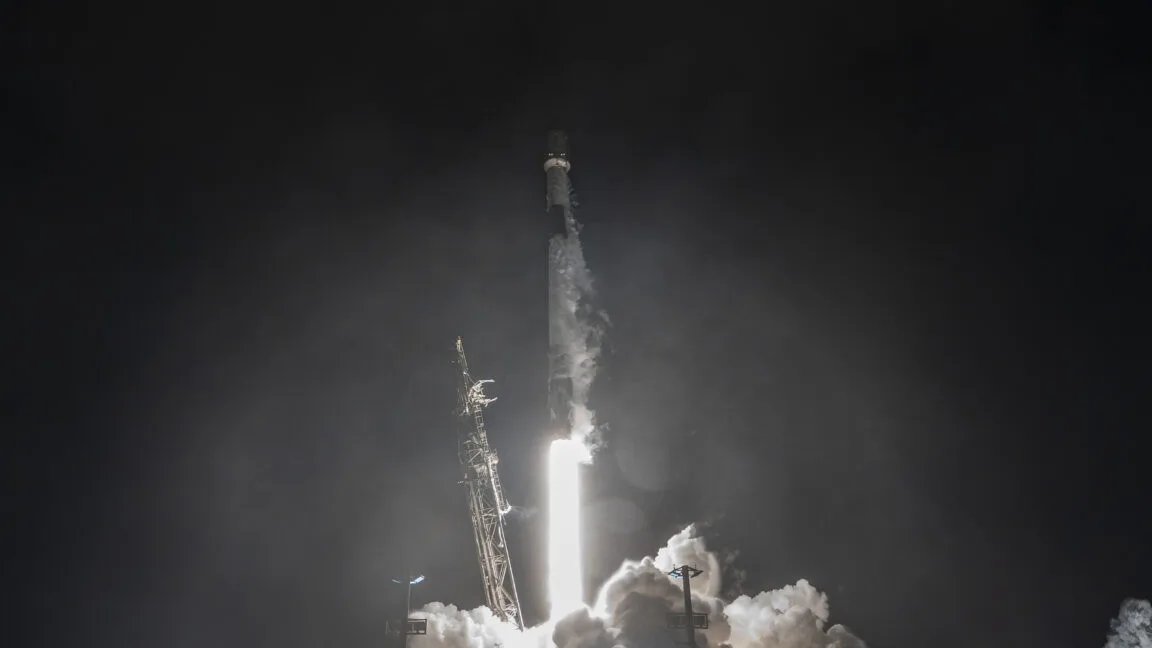
Image: Ars Technica · Source
A report warns of a global rocket shortage until at least the late 2030s, driven by rising satellite demand and limited launch vehicles. SpaceX's Starship, lacking a broad payload fairing, may not fully address the crisis.
A recent analysis from Quilty Space reveals a severe and prolonged global rocket shortage expected to last well into the late 2030s. The shortage stems from a surge in satellite launch demand—fueled by megaconstellation projects and burgeoning small satellite companies—amid a contraction in available launch vehicles outside China.
Quilty Space projects a shortfall of roughly 150 launches by 2030 if only commercial and civil space agency needs are considered. Should U.S. military launch demands intensify, this deficit could potentially double, reflecting the increased launch volume anticipated but not accounted for in some projections.
Key contributors to this launch bottleneck include the war in Ukraine, which has removed Russian rockets from Western markets, developmental delays affecting promising new rockets such as Blue Origin's New Glenn, United Launch Alliance's Vulcan, and others like Neutron and Terran R, as well as the retirement of SpaceX's Falcon 9 rocket from commercial service.
SpaceX's newest heavy-lift vehicle, Starship, possesses significant potential to alleviate the launch shortfall due to its large payload capacity and rapid reusability. However, the company's current launch strategy poses limitations. Starship lacks a conventional payload fairing and instead employs a narrow, Starlink-optimized satellite deployment door. This design suits SpaceX’s own satellite constellation but is ill-suited for many traditional satellites, limiting Starship's immediate utility for broader commercial launches.
Industry insiders, including Telesat's CEO Dan Goldberg, note that for operators to leverage Starship, they may need to reconfigure satellites into flatter designs compatible with its specialized dispenser, which constrains its attractiveness as a universal commercial launcher.
Blue Origin's New Glenn rocket offers hope for increasing launch capacity, but production and launch cadence will ramp up gradually. Quilty Space’s conservative forecast estimates eight New Glenn launches in 2028, increasing incrementally thereafter.
Additionally, the U.S. military’s national security launch program expects a dramatic increase in launch demands, possibly requiring SpaceX and others to prioritize government missions, further straining commercial launch availability.
Quilty Space director Caleb Henry emphasizes the urgency, stating that those not having already secured launch bookings may face significant challenges in meeting their launch needs in the coming years. The culmination of these factors suggests that the launch crisis is more acute than previously understood and unlikely to resolve before late in the decade or even the following one.
Overall, while technological advances and new rockets hold promise, current market conditions and vehicle readiness signify a tense and constrained launch environment for satellite operators worldwide for much of this decade and beyond.

Sources and original reporting
Read the original source ↗
Comments (0)
No comments yet. Start the discussion.
Write a comment
Comments are published after moderation. Your name and comment will be visible publicly. Account