
SpaceX's Shifting Priorities Challenge NASA's Future Space Missions

Image: Ars Technica · Source
SpaceX is signaling a retreat from traditional NASA contracts, focusing instead on AI and Starship developments. This change presents challenges for NASA and the U.S. government as the agency faces rival space powers and uncertain lunar mission plans.
For over two decades, SpaceX transformed the American space landscape by delivering reliable, lower-cost launch services to NASA and the U.S. military. Thanks to key contracts awarded in the mid-2000s, SpaceX evolved from a scrappy newcomer into the nation's indispensable spaceflight contractor. However, recent developments reveal a shift: SpaceX is signaling it will wind down flights of its Crew Dragon and Falcon 9 vehicles by or before 2030 and is stepping back from competing for new government launch contracts beyond current commitments.
SpaceX CEO Elon Musk’s company has notably told NASA it expects Boeing to take on a larger role in astronaut transportation, and has declined bids for future Space Force launches. The company has also informed NASA’s lunar lander partners they will not provide launch services for upcoming Moon missions. These moves suggest SpaceX is prioritizing internal plans such as Starship development and its growing artificial intelligence ambitions over traditional government contracts.
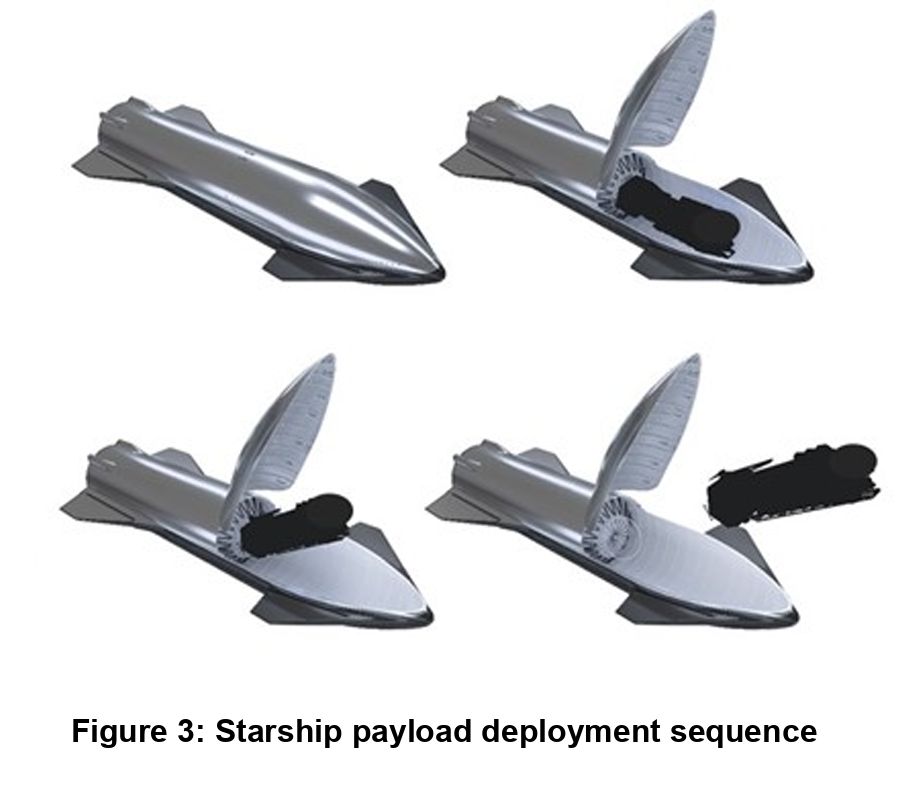
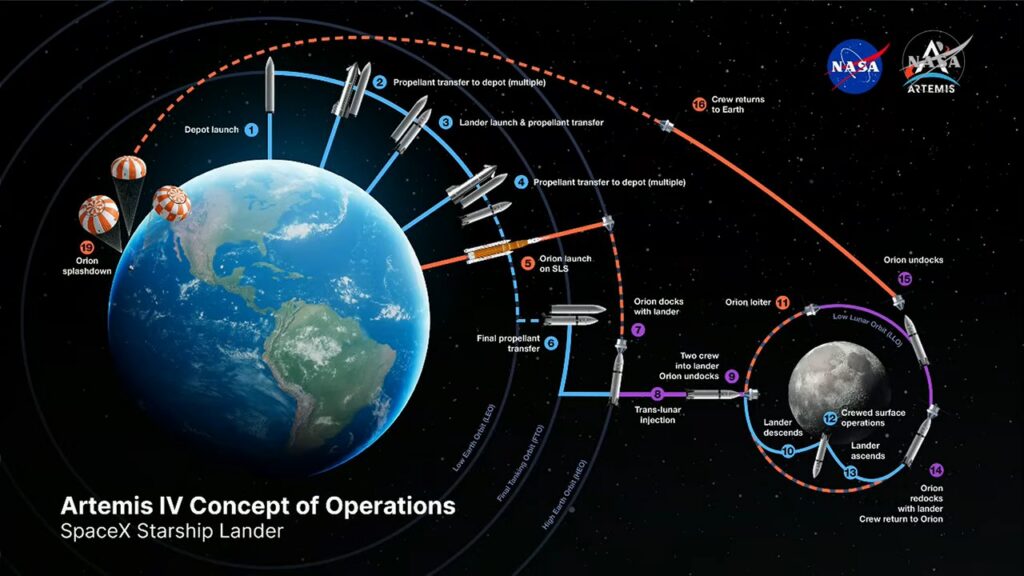
This pivot comes as the U.S. space program confronts heightened competition internationally, particularly from China’s expanding lunar initiatives. NASA currently depends heavily on SpaceX for both cargo and crew missions to the International Space Station and for the Artemis lunar program’s Human Landing System, which relies on Starship. Yet SpaceX’s focus on rapidly advancing Starship for large-scale, reusable launch capabilities may delay key lunar milestones, such as in-space refueling tests and demonstration missions.
NASA officials acknowledge SpaceX’s commitment but also recognize the technical and scheduling challenges ahead. While Starship promises to revolutionize space access with frequent, low-cost launches, hitting the necessary flight cadence to support lunar landings—estimated at around 20 missions—is a monumental task that conflicts with SpaceX’s commercial satellite deployment priorities.
Elon Musk’s vision now centers on leveraging SpaceX’s expertise to dominate artificial intelligence infrastructure, including terrestrial and orbital data centers, as evidenced by recent actions like acquiring AI startup xAI and planning a merger with Tesla. This strategic reorientation means resources and engineering talent are increasingly allocated towards Starship, Starlink satellite networks, and AI projects rather than continuing legacy spacecraft programs.
The result is a recalibration of the longstanding partnership between NASA and SpaceX. While SpaceX remains a critical asset delivering existing contracted services, its reduced focus on new government projects introduces uncertainty for America’s space agency as it strives to maintain leadership amid rising global competition. The evolving dynamic highlights the tension between commercial space ambitions and public sector space exploration goals in the new era of spaceflight.



Sources and original reporting
Read the original source ↗
Comments (0)
No comments yet. Start the discussion.
Write a comment
Comments are published after moderation. Your name and comment will be visible publicly. Account