
Apple Launches the $2,000 iPhone Duo: A Foldable iPhone with Two Screens and New Interaction Modes
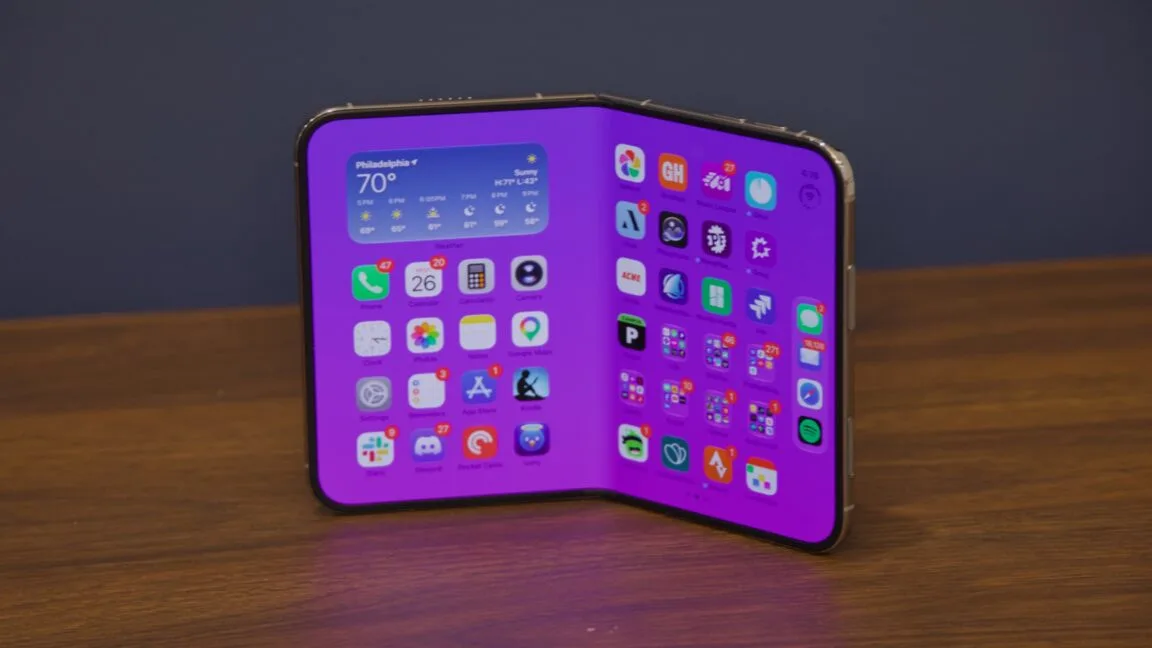
Image: Ars Technica · Source
Apple’s iPhone Duo introduces the company’s first foldable smartphone with a 7.6-inch inner display, titanium frame, and reimagined iOS multitasking, but its high price and some design compromises divide opinion.
Apple has introduced the iPhone Duo, its first foldable smartphone, priced starting at $1,999. This device marks the biggest change to the iPhone’s form factor in years, featuring a 7.6-inch foldable inner Super Retina XDR display—the largest iPhone screen ever—and a smaller outer display with more than 90% of the iPhone 18 Pro’s size. The foldable design aims to blend iPhone and iPad experiences, opening new possibilities through reimagined iOS 27 multitasking modes and poseable usage scenarios.
Constructed with a grade 5 titanium frame and hinge cover, the iPhone Duo offers a premium build and durability, including Ceramic Shield glass and IP68 water and dust resistance. Apple has engineered the foldable screen to have a virtually invisible seam, overcoming a common flaw seen in many foldable phones. The inner display has a custom nano-texture matte finish to reduce glare, though it attracts smudges and shows lower contrast compared to the glossy outer screen.
The iPhone Duo’s software supports new multitasking capabilities such as Split View, allowing users to run and interact with two apps side by side on the unfolded screen. The phone adjusts its interface for different folded and unfolded positions, including "tent" and "laptop" modes, offering novel ways to consume content and interact. However, the iOS experience still runs on iPhoneOS rather than iPadOS, and many third-party apps require updates to fully support the larger inner screen.
In phone mode with the device folded, the iPhone Duo features a compact, shorter, and wider screen with controls moved to the right edge for thumb reachability, designed primarily for right-handed users. This new layout introduces a learning curve and usability challenges for left-handed users and for those accustomed to traditional iPhone ergonomics. Notably, Face ID has been removed and replaced by Touch ID integrated into the power button, which itself sits in a challenging position when the device is folded.
The iPhone Duo is powered by Apple's A20 Pro chip, the company’s first 2nm phone processor, delivering approximately 20–30% more CPU performance and up to 50% better GPU performance than its predecessor, while maintaining 12GB of RAM. The device employs a dual-battery system and vapor-cooled thermal management, supporting fast wired charging to 50% in about 20 minutes.
Its camera system consists of dual 48MP sensors—a main and an ultrawide—offering up to 2x optical-quality zoom by cropping. However, it lacks a telephoto lens found in Pro-level iPhones, representing a downgrade for photography enthusiasts. The under-display inner camera, used for FaceTime and selfies, is noticeably lower quality and always visible to some extent beneath the screen. The outer front camera is 12MP, lower in resolution than recent iPhones.
Accessory options include a basic $79 adhesive case and a $129 folio with a retractable kickstand that covers the hinge when closed. While the kickstand facilitates hands-free use in tablet mode, it obscures the camera and flashlight when the phone is folded with the folio attached.
Reviews recognize the iPhone Duo as technically impressive and well-built, with thoughtful multitasking design and excellent performance. Nonetheless, many find the device less enjoyable to use as a daily smartphone due to its bulk, button placement, absence of Face ID, and ergonomic compromises, compounded by its steep price. While it offers a compelling tablet-like experience in unfolded mode, users seeking a foldable may weigh these trade-offs against more conventional iPhones or separate iPads.
Apple continues to expand iOS and hardware features, including Apple Pencil compatibility (via USB-C) and integration of Siri AI for enhanced interaction. The company positions the iPhone Duo as a versatile device aiming to redefine the iPhone category with a foldable innovative design, though user adaptation and app support will be critical in its ongoing adoption.
Photo gallery
Read the original source ↗
Comments (0)
No comments yet. Start the discussion.
Write a comment
Comments are published after moderation. Your name and comment will be visible publicly. Account