
DIA Reveals Image and Insights on China’s X-37B-Like Spaceplane and Emerging Space Threats
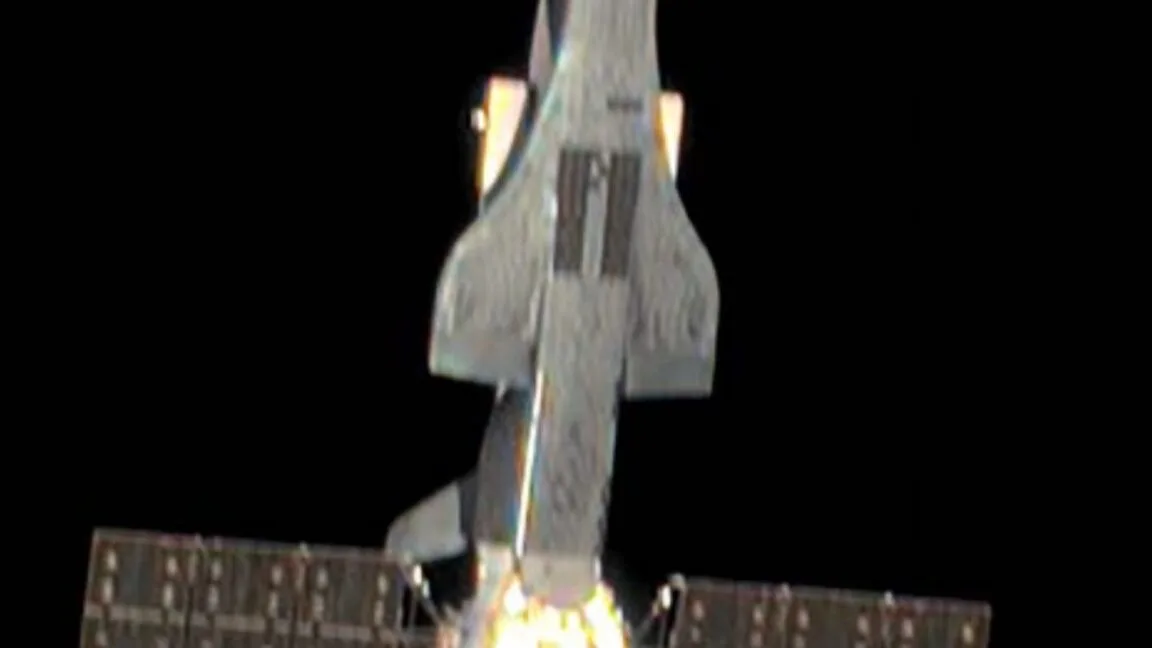
Image: Ars Technica · Source
The US Defense Intelligence Agency released imagery and analysis of China's reusable spaceplane resembling the US X-37B, highlighting China’s maneuvers in low-Earth orbit and advancing counterspace weapons, including potential directed-energy systems.
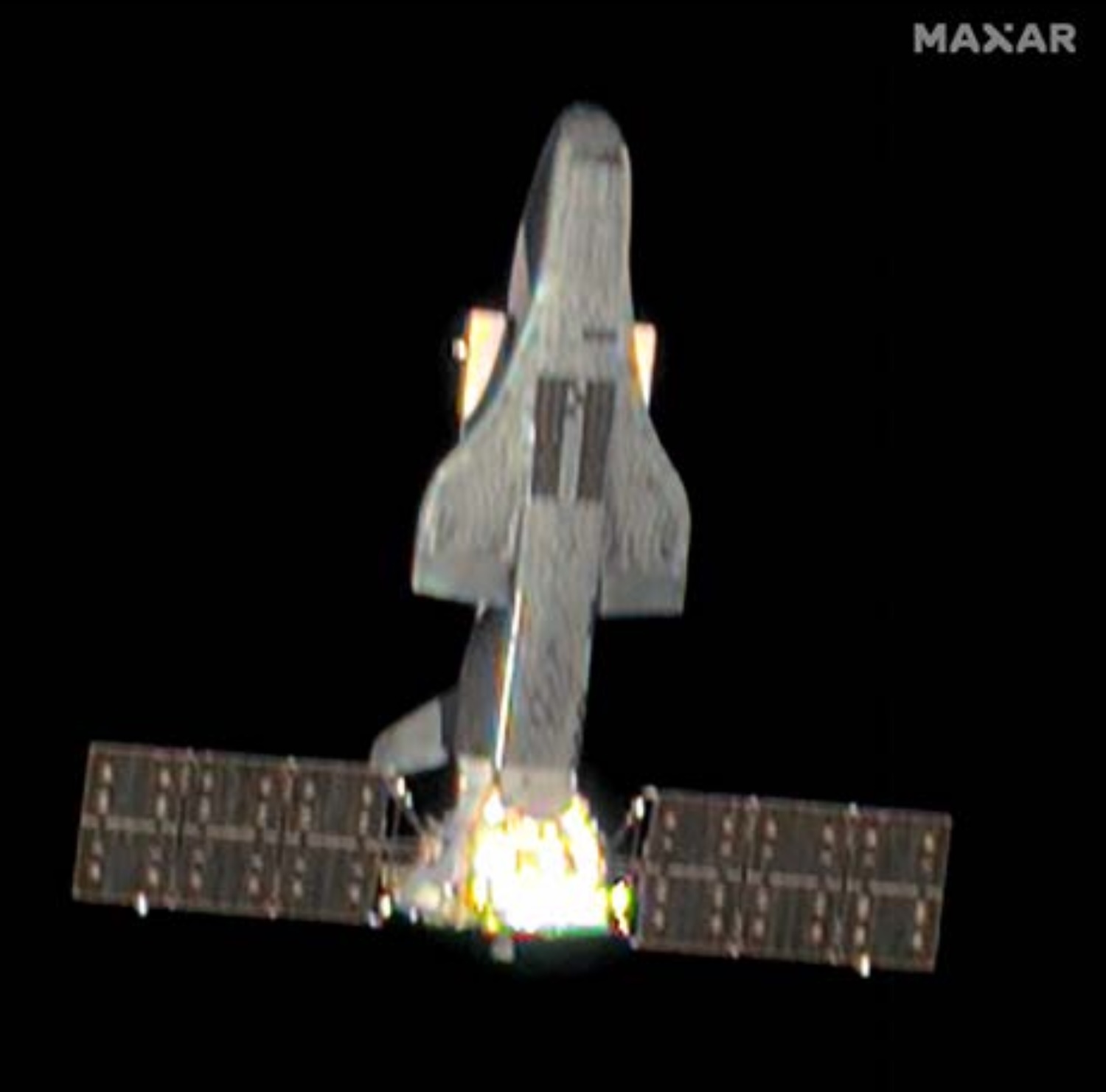
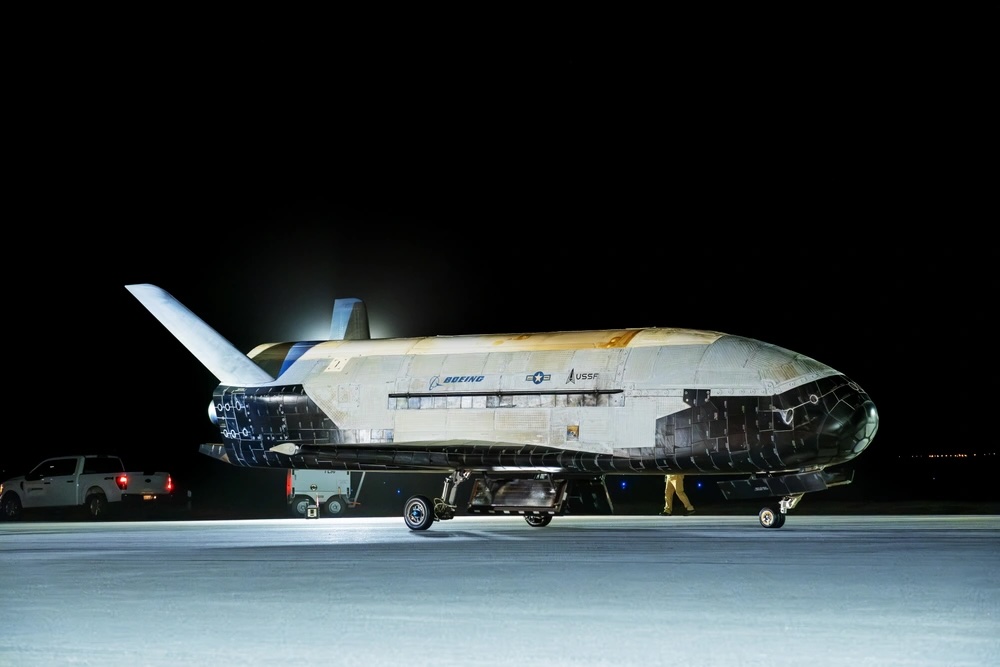
In 2024, a US commercial imaging satellite captured a detailed image of a Chinese reusable spaceplane bearing a striking resemblance to the US Space Force’s X-37B. This image was revealed publicly by the US Defense Intelligence Agency (DIA) in an unclassified report issued in October 2026, marking a significant insight into China’s space capabilities. The Chinese spacecraft features delta wings, payload bay doors, a dark heat shield, and a rear service module equipped with solar arrays, underscoring a design closely modeled after the US X-37B orbital vehicle.
China has launched at least four such spaceplane missions since 2020, with the latest still in orbit since February 2026. These vehicles typically operate in low-Earth orbit (LEO), flying at a few hundred miles altitude, and perform autonomous runway landings after orbital missions lasting up to nine months. Unlike the US fleet, which includes two X-37B orbiters with missions extending beyond two years and altitudes reaching 24,000 miles, the Chinese vehicles appear to focus on LEO operations. Their maneuverability and ability to deploy and retrieve small satellites have been demonstrated—most notably with repeated captures and releases of sub-satellites during the current mission, as reported by astrophysicist Jonathan McDowell.
The Chinese spaceplane’s official designation remains undisclosed, often referred to as Shenlong in Western media or as CSSHQ (Chongfu Shiyong Shiyan Hangtian Qi), meaning "reusable experimental spacecraft," in Chinese sources. The DIA’s disclosure did not detail the precise circumstances of the spaceplane’s observation, but it highlights the growing capability of commercial Earth-observing satellites, such as those operated by Maxar, to perform non-Earth imaging (NEI)—the practice of observing orbiting satellites for intelligence purposes.
Beyond imagery of spaceplanes, the DIA’s report also addresses China's advancements in counterspace weapons. China is developing directed-energy weapons (DEWs), viewed by the Chinese military as "ideal" for disabling or degrading adversary satellites. Ground-based laser systems capable of disrupting satellites in low-Earth orbit are already operational, and China may field space-based DEWs and more powerful ground lasers capable of threatening higher-orbit satellites by the late 2020s. Additional counterspace technologies include anti-satellite missiles, on-orbit robotic arms for satellite capture, a fleet of close-approach TJS satellites, and historic satellite refueling demonstrations in geosynchronous orbit.
The United States similarly maintains space capabilities including inspector satellites and acknowledged deploying weapons in space, with Russia also pursuing orbital weapons programs, including projectile-firing satellites and potential nuclear weapons deployment. The DIA’s report emphasizes a rapidly evolving and contested space domain where maneuverable spaceplanes, advanced sensors, and directed-energy technologies are playing a central role in future strategic considerations.

Sources and original reporting
Read the original source ↗
Comments (0)
No comments yet. Start the discussion.
Write a comment
Comments are published after moderation. Your name and comment will be visible publicly. Account