
AI Advances Enable Natural Language Protein and Genome Design Tools
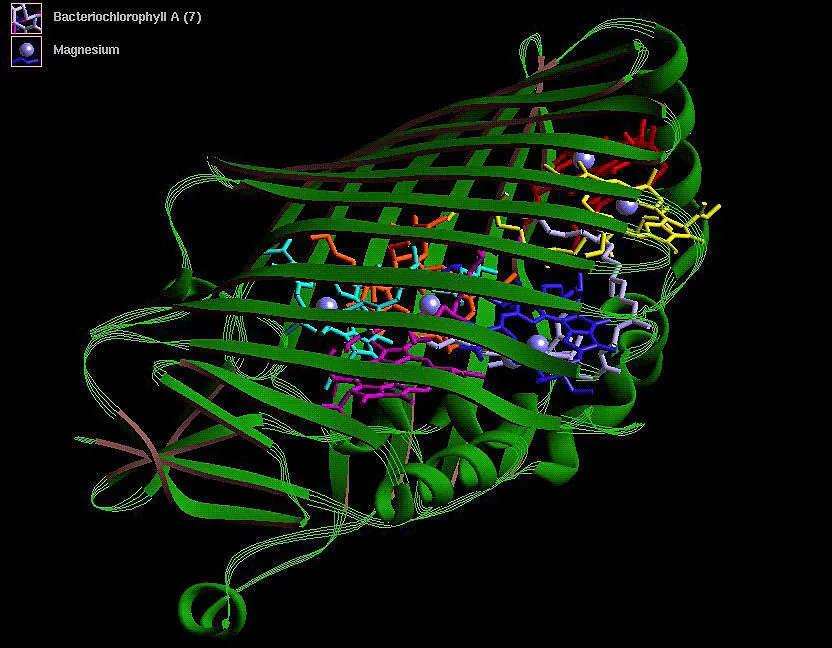
Image: Ars Technica · Source
New AI tools allow users to design proteins and DNA sequences using natural language prompts, simplifying the complex process of biomolecular design, though success rates remain low and expert validation is essential.
Recent advances in artificial intelligence have paved the way for novel tools that simplify protein and genome design by enabling users to input natural language descriptions instead of detailed biochemical specifications. Traditionally, protein design demands intricate knowledge of enzyme mechanisms and precise positioning of amino acids and surrounding molecules. Existing AI solutions require users to specify structural constraints in a technical manner, which limits usability to experts well-versed in protein chemistry.
A large research collaboration based in China developed a tool called Pinal, which leverages natural language processing to interpret plain-language prompts describing desired protein functions. Rather than manually providing amino acid configurations or structural details, users can describe target functions—such as enzymatic activity or fluorescence—and Pinal generates candidate protein sequences designed to fulfill those roles. The system combines a text-to-structure module, T2struct, with an amino acid sequence generator, SAProt-T, using extensive protein databases and AlphaFold-predicted structures for training.
The researchers demonstrated Pinal by tasking it to design a variety of proteins, including a fluorescent protein similar in function but distinct in sequence from green fluorescent protein (GFP). Out of tens of thousands of computational predictions, only a small number were produced and experimentally tested; one exhibited the desired fluorescence. Although this indicates a low success rate, it reflects the difficulty of the challenge and the stringent filtering criteria used.
Complementing this, another team from Hugging Face and academic partners introduced Carbon X, a DNA-focused model that integrates human language understanding with genomic sequence prediction. This model can interpret and generate DNA sequences based on natural language prompts, translate between English and DNA, and predict sequence consequences of specific mutations. Carbon X can operate on local hardware, such as a MacBook, offering cost and privacy advantages over commercial cloud-based systems.
Despite these innovations, the use of natural language prompts in biomolecular design does not eliminate the need for domain expertise. Researchers still require sophisticated laboratory techniques to experimentally validate and refine the AI-generated candidates. Furthermore, these tools sometimes produce false positives and hallucinated outputs, necessitating careful interpretation.
By lowering technical barriers, these AI tools hold promise for accelerating biological research and making biomolecular design more accessible. As these systems evolve, they may become valuable companions to experimental biologists, streamlining workflows by providing intuitive interfaces that interpret user intent from natural language. However, widespread adoption and demonstrated utility in laboratory settings will determine their ultimate impact on the field.

Sources and original reporting
Read the original source ↗
Comments (0)
No comments yet. Start the discussion.
Write a comment
Comments are published after moderation. Your name and comment will be visible publicly. Account