
NVIDIA Highlights AI's Role in Accelerating Dementia Research
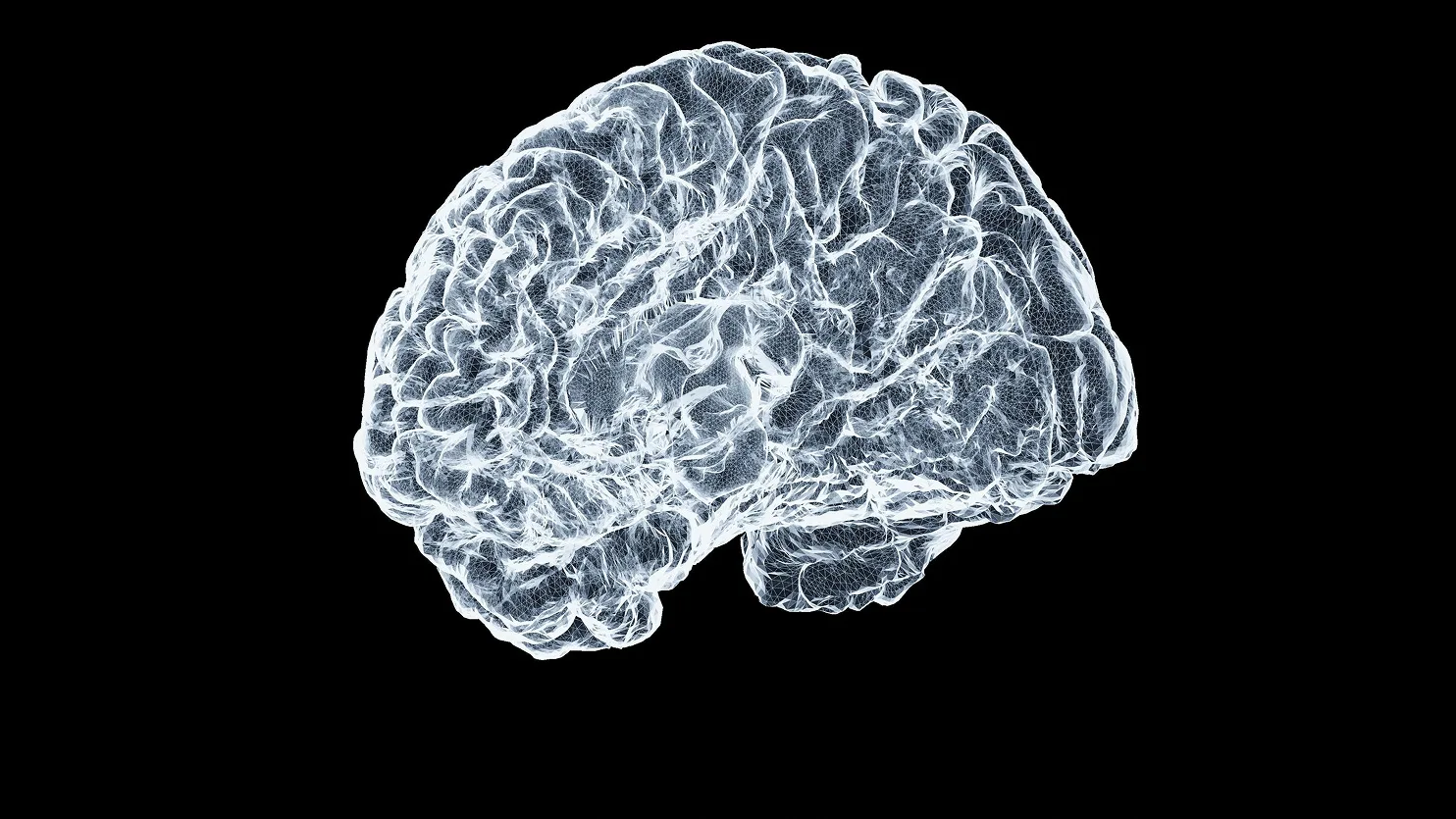
Image: NVIDIA · Source
NVIDIA discusses how artificial intelligence is helping researchers manage vast data and accelerate discoveries to improve the lives of 57 million people living with dementia worldwide.
Dementia affects approximately 57 million people worldwide, posing a growing challenge for medical researchers striving to understand and combat this complex group of neurodegenerative diseases. According to NVIDIA, the primary issue facing the dementia research community is not a shortage of effort or willingness but the sheer volume of data generated and the limited number of specialists available to analyze it effectively.
The Consortium for Biomedical Research and AI, supported by NVIDIA's advancements in artificial intelligence technology, aims to address these bottlenecks. AI systems can rapidly synthesize diverse biomedical data, enabling researchers to identify patterns and potential treatment avenues at a pace previously unattainable. This accelerated discovery process holds promise for developing new strategies to manage dementia and improve patient outcomes.
NVIDIA's involvement reflects a broader trend of leveraging high-performance computing and AI in biomedical research. By utilizing powerful GPUs and AI algorithms, neuroscientists and clinicians can tackle the complexities of dementia more efficiently, potentially leading to earlier diagnoses and more effective therapies.
While significant challenges remain—such as ensuring data quality, integrating heterogeneous datasets, and translating AI findings into clinical applications—NVIDIA's report emphasizes that AI is transforming the pace of dementia research. It provides critical tools to help researchers keep up with the disease and ultimately improve the quality of life for millions affected globally.
This initiative exemplifies how cutting-edge technology collaborations can bridge the gap between vast biomedical data and actionable medical insights. As AI capabilities continue to evolve, their role in understanding and treating dementia is expected to grow, signaling a hopeful horizon for patients and medical professionals alike.
Read the original source ↗
Comments (0)
No comments yet. Start the discussion.
Write a comment
Comments are published after moderation. Your name and comment will be visible publicly. Account