
Audi Revolut F1 Team Competes at Texas Grand Prix Amidst Track Challenges
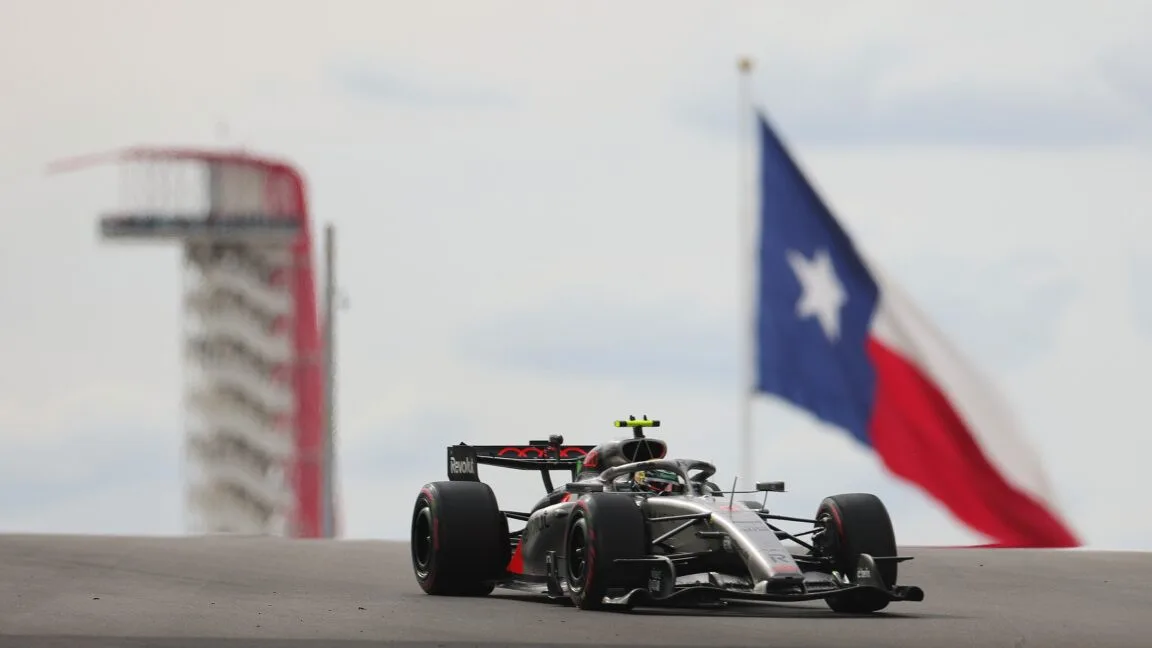
Image: Ars Technica · Source
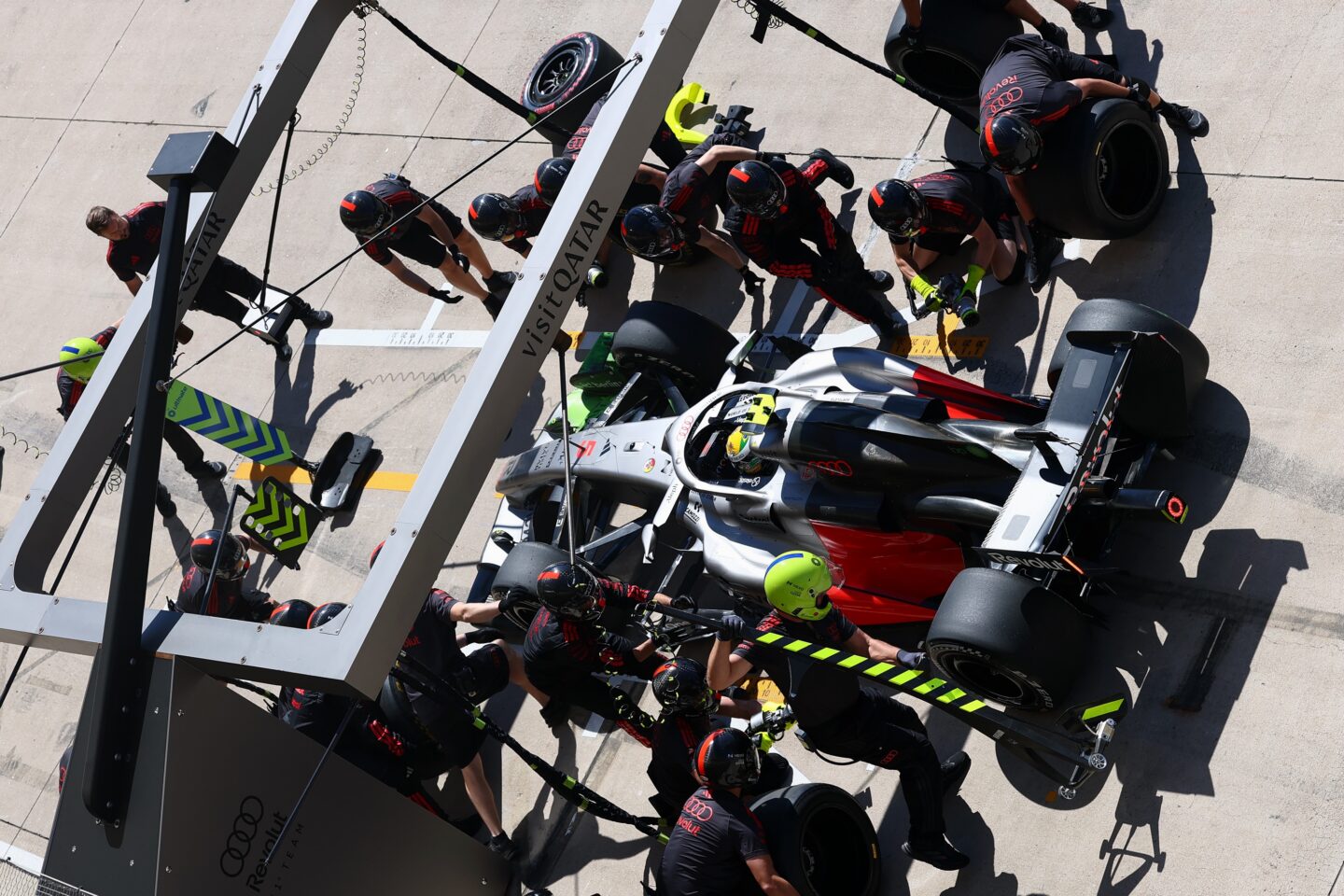
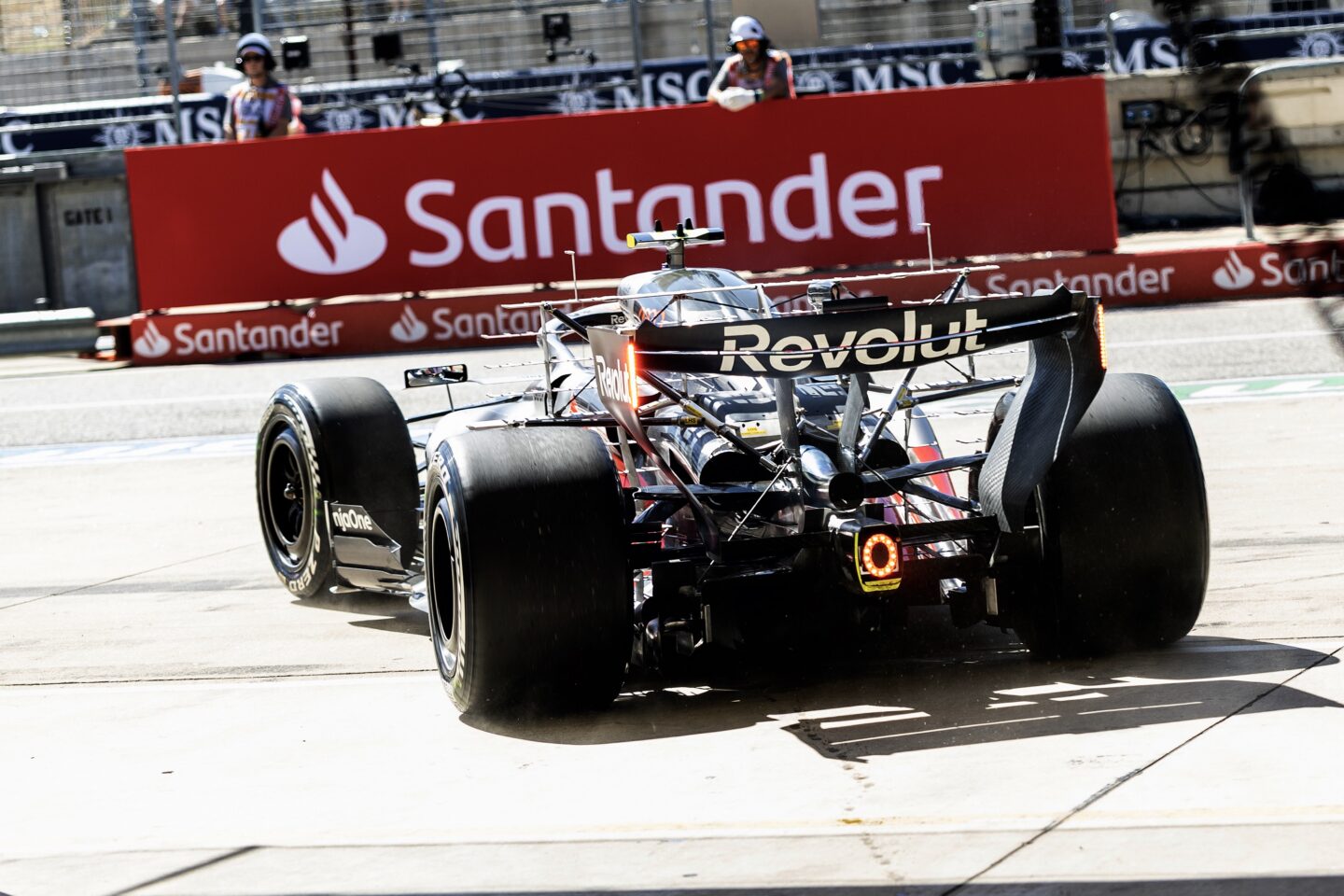
At the 2026 US Grand Prix in Austin, Audi Revolut F1 made strides despite track bumps and fierce competition. The Circuit of the Americas remains a fan favorite with unique challenges that impact car performance and strategy.
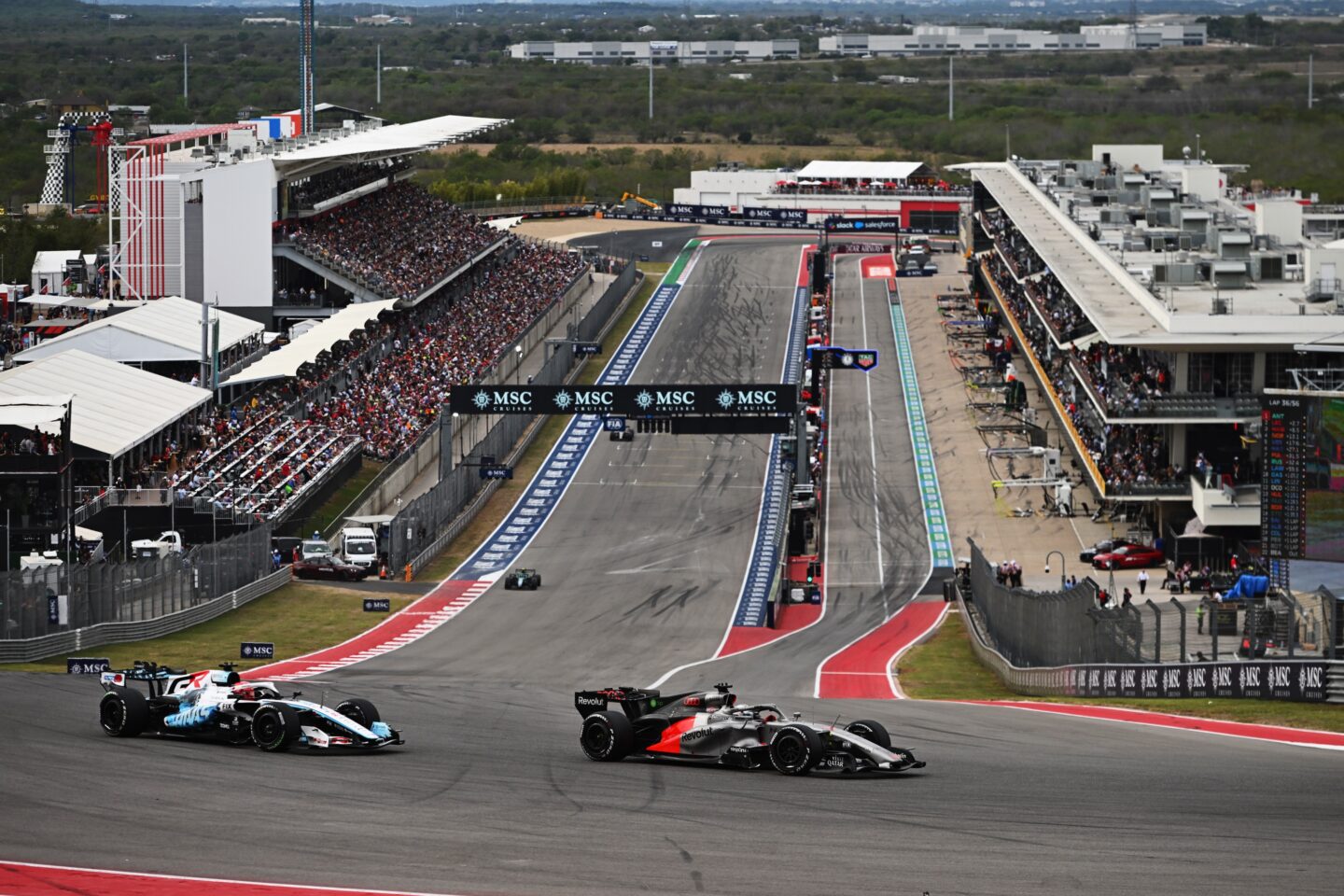
The 2026 Formula 1 season touched down in Austin, Texas, at the Circuit of the Americas (COTA) which has evolved into one of the most beloved races for true F1 fans in the United States. Unlike the Miami and Las Vegas street circuits, COTA is a permanent track praised for its variety of corner speeds, elevation changes, and ample run-off areas. Designed originally by Kevin Schwanz, it offers a racing experience distinct from other U.S. venues.
Over the years, COTA has transformed, adding hospitality structures and entertainment attractions such as rollercoasters, but the overall track layout remains unchanged since its first F1 race in 2012. However, a deteriorating surface with bumpiness in critical braking zones has emerged due to soil settling and exposure to Texas weather, posing a challenge to drivers and teams alike.
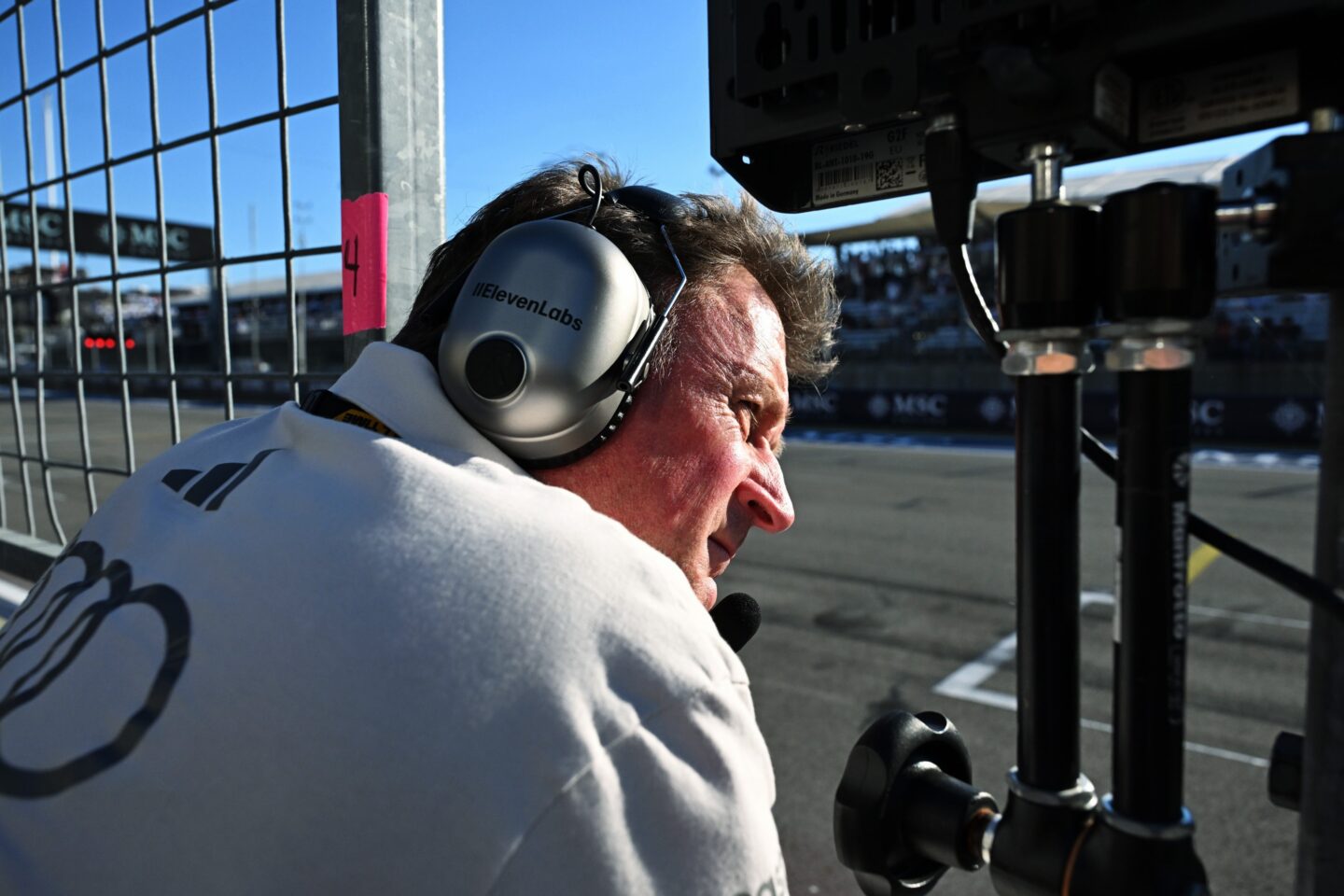
Allan McNish, Audi Revolut F1's racing director and former driver, compared the track’s bumpiness to historic circuits like Sebring, emphasizing its impact particularly in braking zones where energy load on tires and tarmac cause instability. McNish highlighted how such track issues can lead to inconsistent performance and downshift difficulties, yet acknowledged that the conditions affect all teams equally.
The 2026 season marks Audi's debut as an official F1 constructor after acquiring Sauber in 2024. Despite being new to the sport, Audi has shown promising development by regularly qualifying in Q3—the session that determines the top 10 grid spots that earn points. At COTA, the team introduced aerodynamic upgrades aimed at improving performance in both high- and low-speed sectors, with future development targeted toward the 2030 horizon.
Audi’s power unit strategy includes a larger turbocharger prioritized for reliability over outright speed, reflecting the team's cautious approach given the sport's complex and failure-prone hybrid systems. McNish explained that energy management remains adaptive, based on pre-set profiles honed through simulation but adjusted in real time during races to optimize performance.
The Texas race saw Audi drivers face difficulties: penalties affected grid position, and a poor start hindered race pace. Despite these setbacks, both drivers executed strong recovery efforts, finishing just outside the points. McNish expressed confidence in turning these near-misses into points in upcoming races, underscoring Audi’s commitment to growth within the fiercely competitive field.
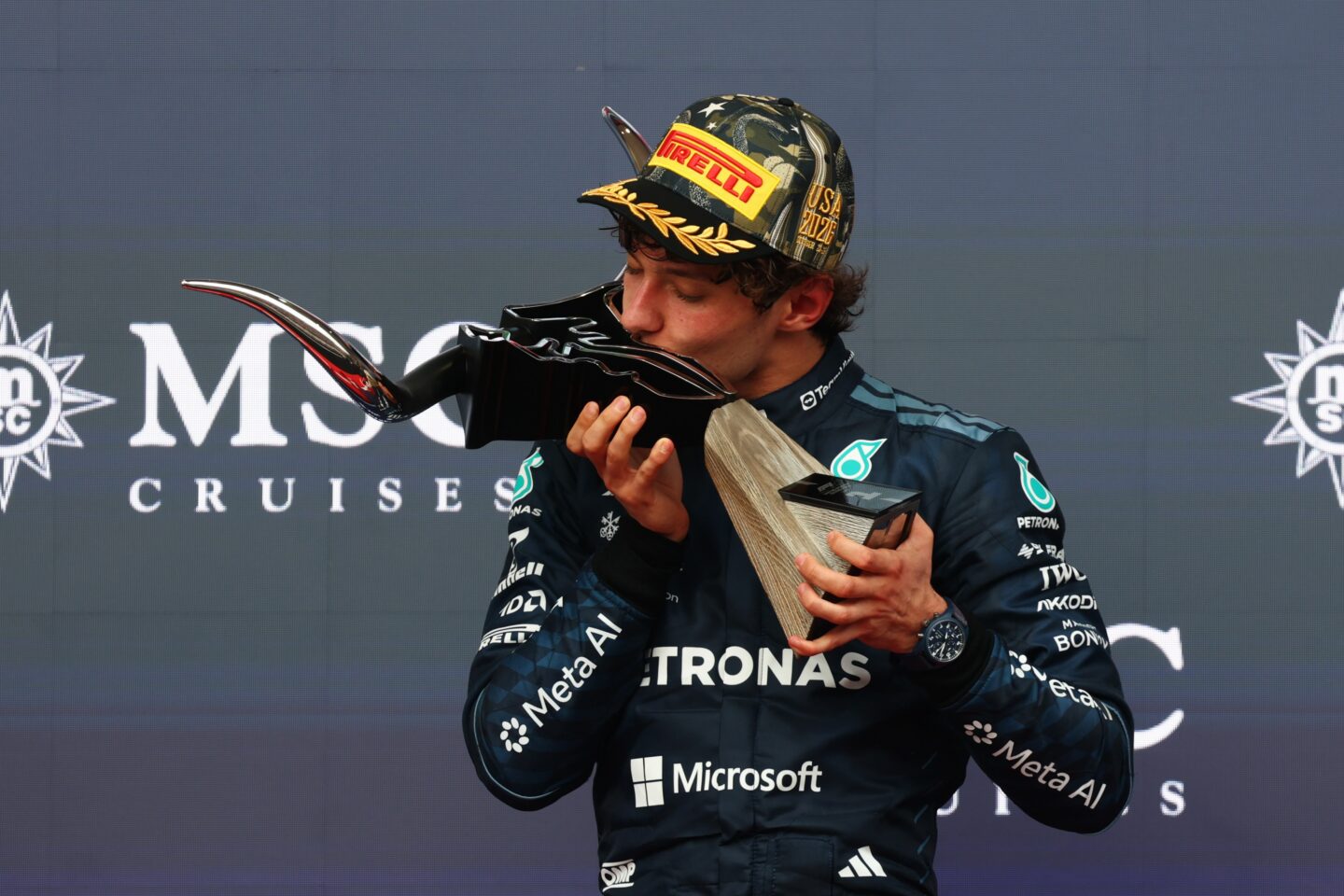
While the race outcome was relatively uneventful, with Antonelli extending his championship lead, the event highlighted COTA's unique mix of racing spectacle, technical challenges, and fan engagement. Audi Revolut F1's continued progress amidst these conditions points to an ambitious future as the team seeks to establish itself among Formula 1’s top contenders.

Sources and original reporting
Read the original source ↗
Comments (0)
No comments yet. Start the discussion.
Write a comment
Comments are published after moderation. Your name and comment will be visible publicly. Account