
M-Vave FM-1 Pocket Synth Unleashed as a Community-Driven DIY Studio
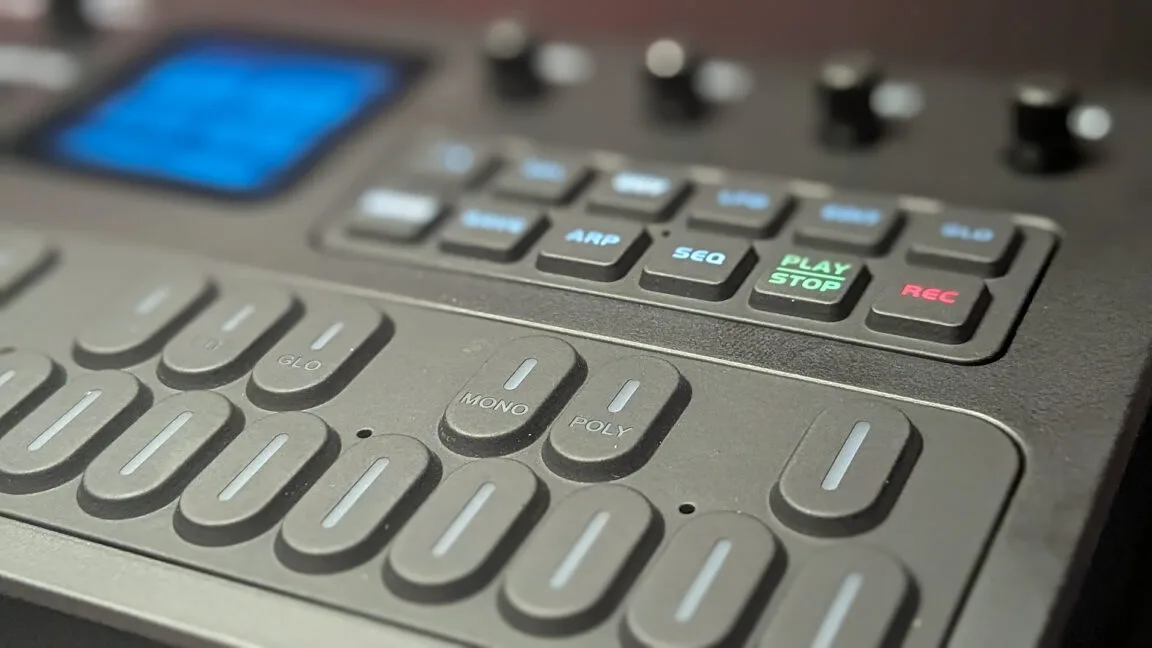
Image: Ars Technica · Source
The $60 M-Vave FM-1, initially a basic FM synth clone, now supports diverse community-developed custom firmware transforming it into a multi-engine, portable music studio and more, including running games like Doom.
The M-Vave FM-1 is an affordable frequency modulation (FM) synthesizer initially launched as a compact, pocket-sized homage to Yamaha's DX7 synth, retailing for roughly $60. Although the device originally offered limited features reflecting its low price, it has since inspired a vibrant community of tinkerers who reverse-engineered its firmware to unlock extensive new capabilities.
In July 2026, enthusiasts on Reddit’s r/synthdiy forum began exploring the FM-1's internal software, which rapidly led to custom firmware launches within a few months. By mid-October, M-Vave officially embraced this movement by releasing FM1 Open, an official software development kit (SDK) and browser-based workbench to support user-created firmware. They also published the stock firmware's source code under GPLv3, excluding the proprietary synth engine binary, offering an open platform for software experimentation.
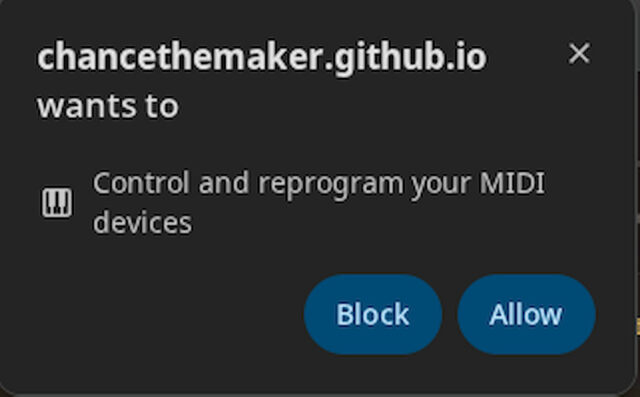
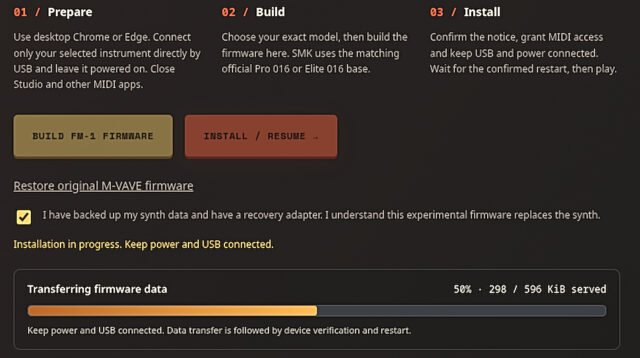
Users can flash these custom firmwares with caution, as the device's JieLi chip supports only a single flash bank, making incomplete updates potentially damaging. M-Vave provides tools like a "force-flash" utility to restore functionality if an update fails. The community recommends updating to the official stock firmware version 15 before applying custom builds and suggests transitioning between custom versions via a lightweight bridge firmware called TransitFM1 to reduce risks.
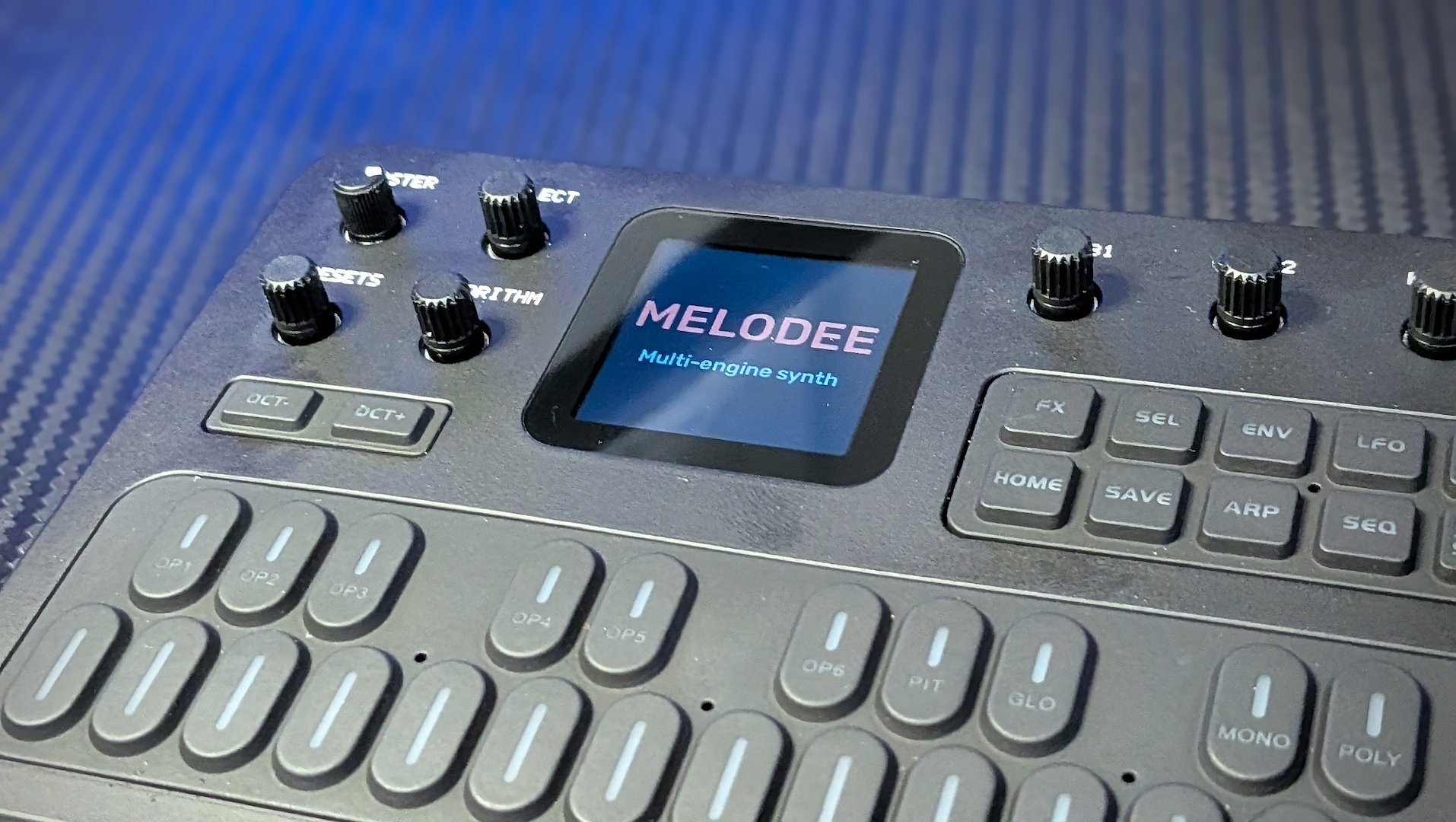
The custom firmware options are diverse and growing. Notably, several projects have enabled the FM-1 to run the classic game Doom on its 240x240 TFT display controlled via mini piano keys, a novelty demonstrating the device's flexible hardware. Musically, "Melodee" emulates the Casio CZ-1 synthesizer and includes various sound engines like a Commodore 64 SID emulator, appealing to chiptune creators.
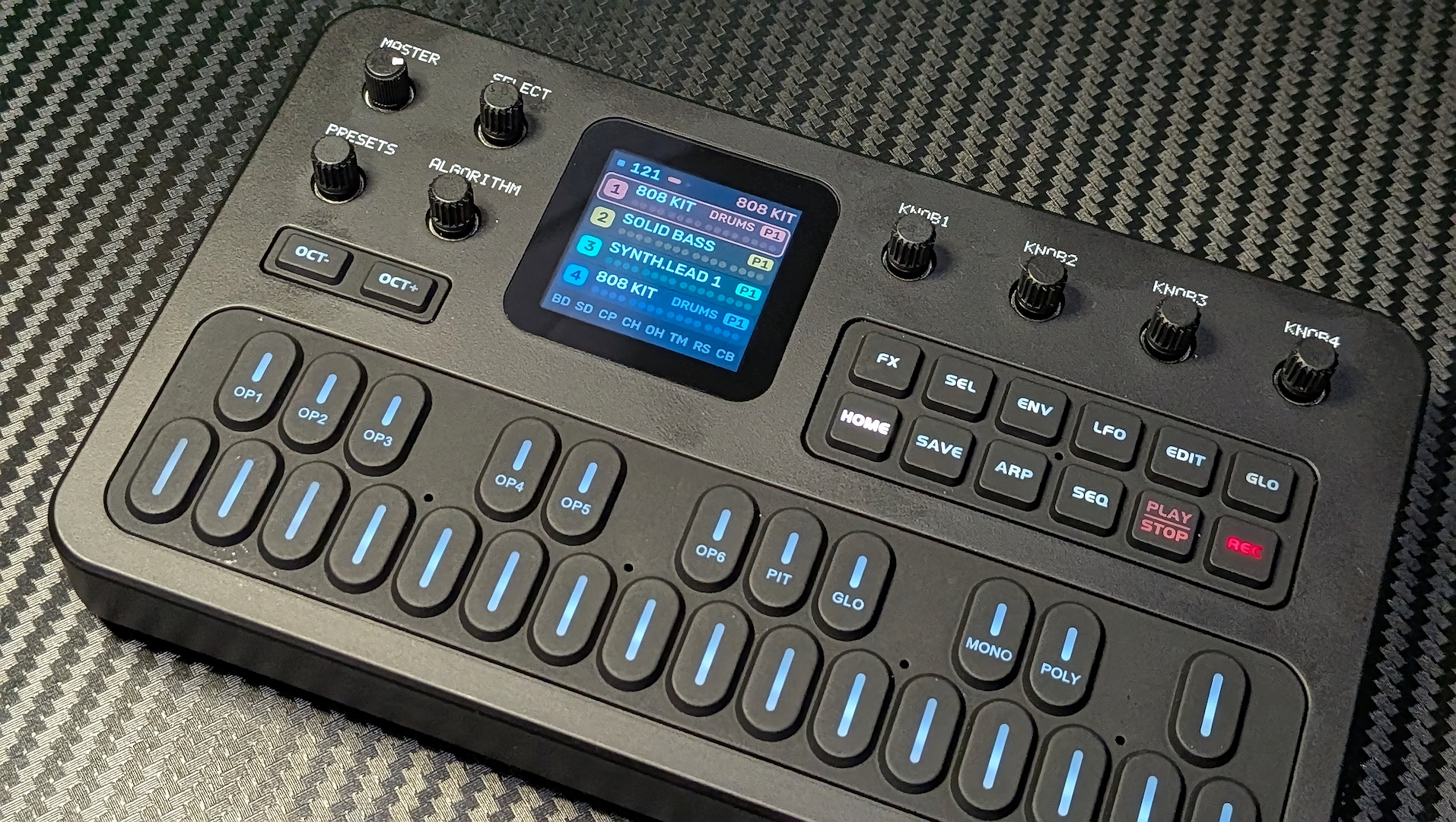
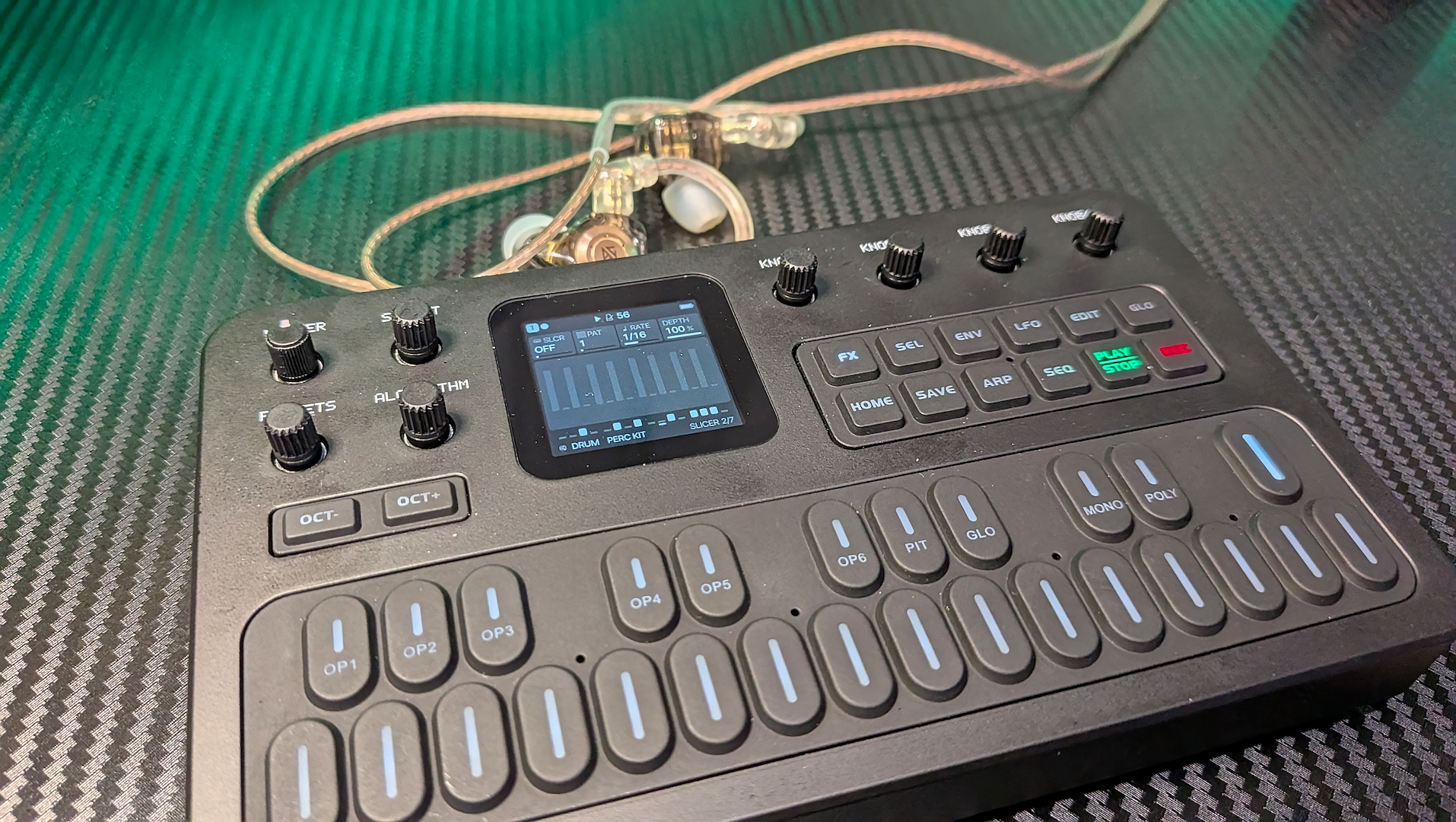
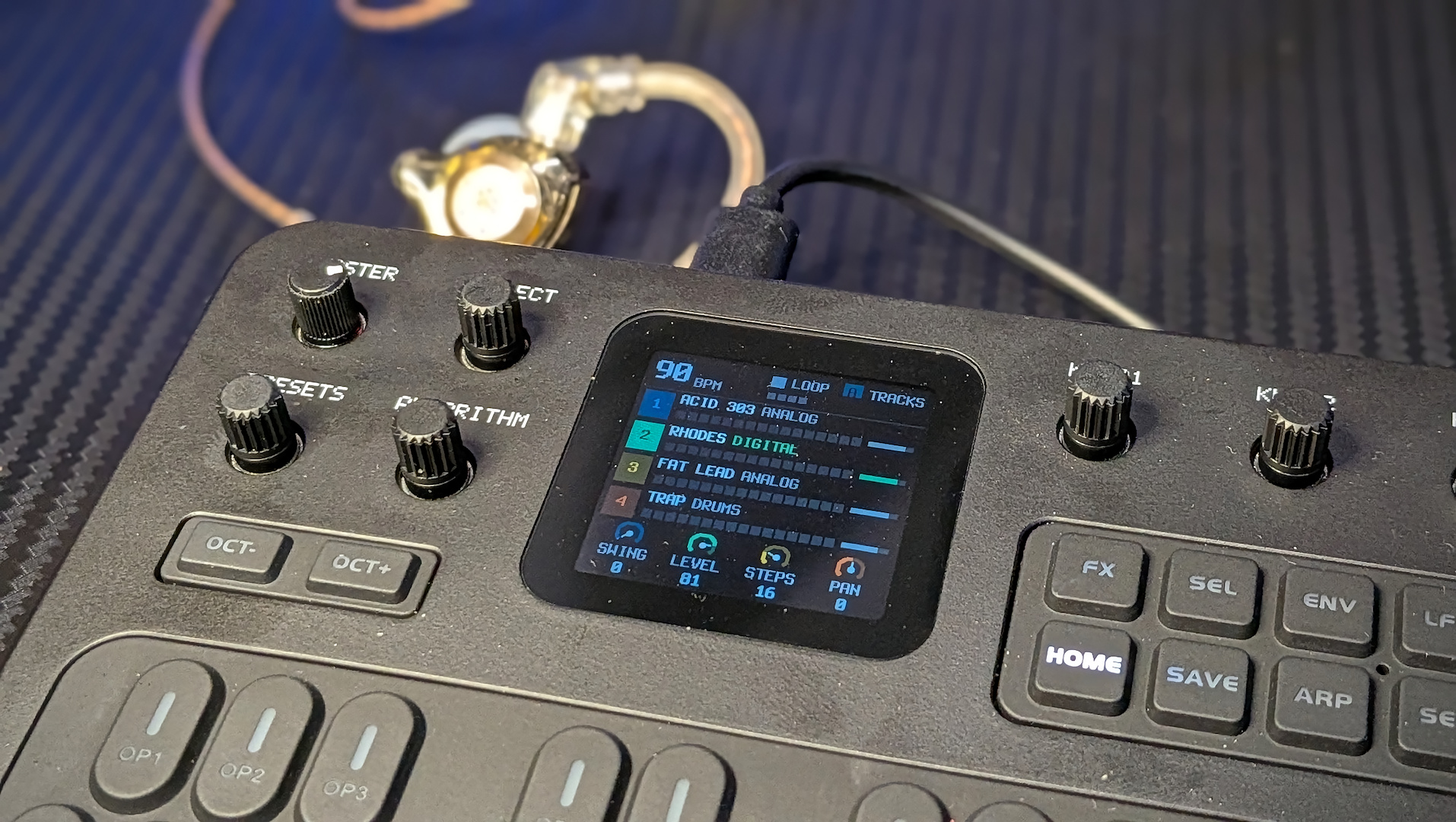
"Felucca" expands the FM-1 into a multi-engine synthesizer, allowing simultaneous instrument playback with more than a dozen sound engines, including virtual analog and phase distortion, alongside a sampler and integrated multitrack sequencer. This refreshes the device from a simple synth into a capable portable studio. Further, "SLOOP" turns the FM-1 into a groovebox for live composition, enabling users to program drum and bass patterns and layer multiple sound tracks for battery-powered beat making on the go.
Recording directly to a connected PC is simple; the FM-1 presents as an audio device recognized by common software like Audacity, enabling live capture of instrument performance and effects. While the small keypad and display can challenge precision, particularly for less skilled users, the device’s low cost and accessibility make it a compelling entry point into electronic music production and experimentation.
Overall, the M-Vave FM-1 has evolved from an impulse buy into a versatile, pocket-sized studio platform, thanks largely to its supportive manufacturer and active community developers. Its expanding ecosystem of custom software enhances creative possibilities well beyond its original Yamaha DX7-inspired intent, demonstrating the potential of opening up small hardware projects to user innovation.
Sources and original reporting
Read the original source ↗
Comments (0)
No comments yet. Start the discussion.
Write a comment
Comments are published after moderation. Your name and comment will be visible publicly. Account