
Boston Dynamics Employees Protest Sale of Robot Dogs to ICE Amid Ethical Concerns

Image: Ars Technica · Source
Over 300 Boston Dynamics employees petition against selling robot dogs to US Immigration and Customs Enforcement (ICE), citing ethical risks, while company executives defend the deal for public safety purposes.
Boston Dynamics, a prominent US robotics company known for its advanced quadruped robots like Spot, is facing internal opposition over a recent contract to supply modified robot dogs to US Immigration and Customs Enforcement (ICE). More than 300 employees—about a quarter of the company’s 1,400 workforce—signed a petition urging leadership to halt the sale, warning the deal poses significant ethical and reputational risks.
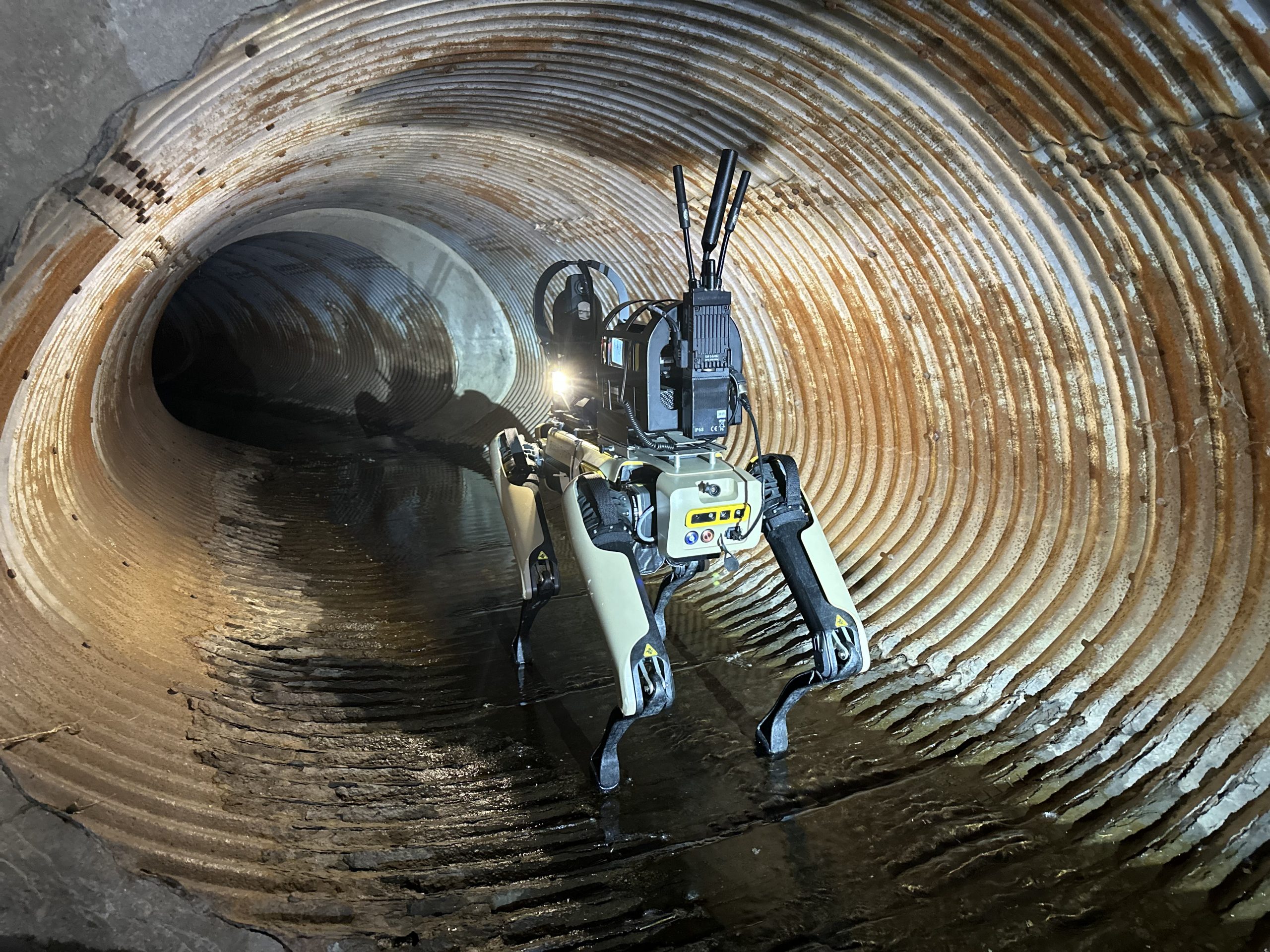
The contract, awarded by the Department of Homeland Security to a Connecticut firm named Radeco, involves providing ICE with four Spot robots upgraded with sensors and cameras to detect radiation, toxic gases, explosives, and ensure air quality in confined spaces. Marketed as "Cerberus," these robots also feature high-zoom, 360-degree, and thermal imaging cameras, and optionally can be equipped with robotic arms for manipulating objects. The robots are intended to carry out remote observation, inspection, and autonomous missions to support Homeland Security Task Forces in combating illicit cross-border tunnels and transnational criminal organizations.
Despite the company’s insistence that the robots will not be weaponized, employees expressed alarm, especially given ICE’s history of workplace raids, immigration enforcement, and deportations. The petition directly referenced a recent raid detaining hundreds of workers at a Hyundai-owned plant, raising concerns about Boston Dynamics’ association with such operations. Hyundai Motor Group, which acquired Boston Dynamics in 2021, continues to advance robotics deployment in its US facilities.
Boston Dynamics executives have defended the contract, emphasizing the focus on public safety and technical support without militarization of the technology. Amanda McMaster, the former interim CEO, stated the decision aligns with ethical advancement of robotics and reiterated company policies banning the use of Spot robots as weapons. The company also outlined consequences for misuse, including warranty voidance and termination of sales.
This controversy arises amid Boston Dynamics’ expansion plans for a $100 million advanced robotics and AI facility in Massachusetts, aiming to add over a thousand jobs by 2033. However, employee concerns persist that the ICE deal may hinder recruitment and retention as it polarizes the workforce and public perception.
As Boston Dynamics navigates the competing considerations of innovation, ethics, and corporate responsibility, the internal dissent highlights the challenges robotics firms face when their technology intersects with contentious government enforcement activities. The situation underscores broader debates about the role of autonomous systems in law enforcement and immigration control.

Sources and original reporting
Read the original source ↗
Comments (0)
No comments yet. Start the discussion.
Write a comment
Comments are published after moderation. Your name and comment will be visible publicly. Account