
Highway Cargo Thieves Use GPS Spoofing to Steal Millions in Data Center Equipment
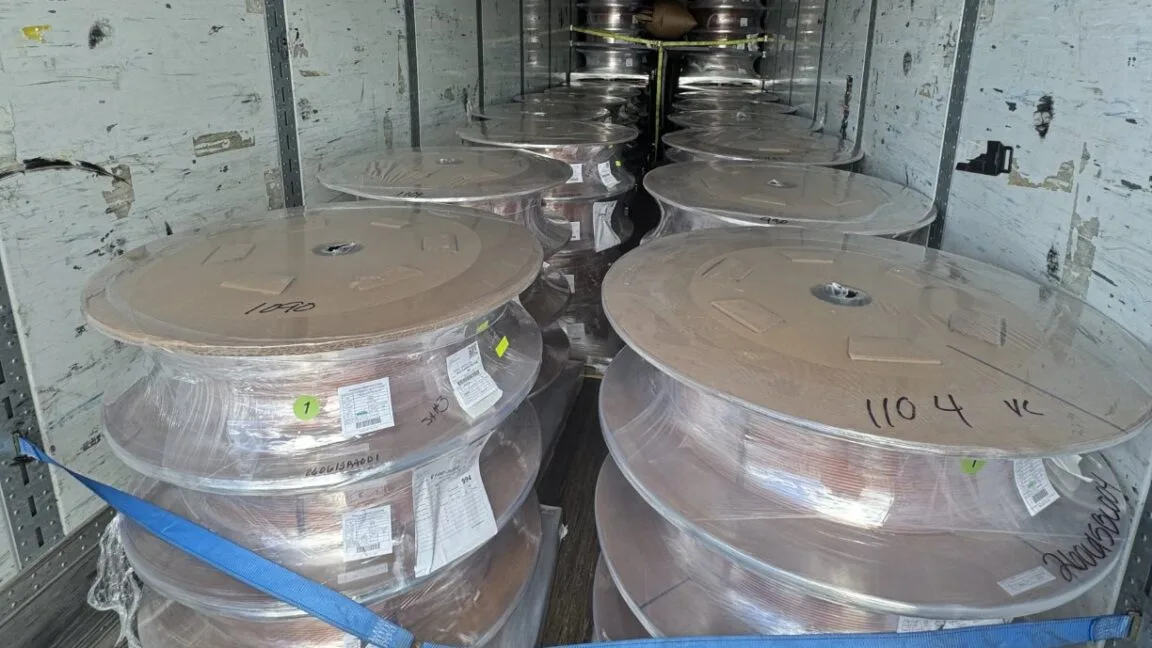
Image: Ars Technica · Source
Since mid-2026, sophisticated highway thieves have stolen over $100 million in data center freight by hacking shipment systems and spoofing GPS tracking, prompting increased security efforts and law enforcement investigations.
In 2026, a troubling surge in the theft of high-value data center cargo has emerged across several U.S. states, with losses exceeding $100 million since June alone. Investigators report that highway thieves are employing advanced digital techniques such as hacking freight brokers' online accounts and GPS spoofing to intercept shipments of critical technology equipment. These thefts primarily target goods bound for data centers, including servers, fiber-optic cables, memory chips, copper wiring, and bitcoin mining machines.
The thefts typically begin with scammers breaching shipment-listing websites to post counterfeit freight bids, thereby enticing legitimate trucking companies to place bids. Upon responding, companies receive malicious links that install software enabling criminals to seize control of their shipping accounts. This infiltration allows thieves to bid on genuine shipments, sometimes employing unwitting drivers or accomplices using fabricated driver licenses to collect cargo.
In some high-profile incidents, thieves have deliberately hindered security escorts by orchestrating collisions that forced off-duty police personnel to stop, allowing the criminals to escape with trailers containing millions of dollars' worth of equipment. One reported $13 million haul destined for Fayetteville, Georgia—home to a major data center hub—was lost after such an attack. Another $10 million shipment traveling from California to Texas was similarly stolen, with GPS coordinates manipulated to mislead tracking applications.
The shift from opportunistic highway thefts to carefully planned digital-enabled heists represents a significant evolution in cargo crime. Law enforcement officials note that criminals infiltrate email accounts to identify lucrative shipments, divert freight routes, disrupt GPS signals, and utilize AI-generated counterfeit driver licenses. Experts warn that stolen equipment often bypasses traditional resale markets, instead being dismantled and sold via gray market channels, sometimes to overseas buyers in regions with limited access to advanced U.S. technology.
Industry leaders and security experts emphasize the urgent need for strengthened freight security protocols. While technology alone has limits—especially given criminals' digital sophistication—rigorous background checks and driver vetting remain critical defenses. Organizations like the Transported Asset Protection Association advocate for improved supply chain scrutiny, highlighting that inadequate driver verification remains a major vulnerability.
Lawmakers and specialized task forces are collaborating to address the problem, focusing on federal measures to combat theft rings operating internationally. Meanwhile, companies frequently employ security escorts for high-value shipments, despite recent incidents of violence during such operations. According to a Southern California escort firm co-founder, hundreds of loads associated with data centers require close protection monthly.
As investment in data center infrastructure grows alongside the expansion of AI industries, this emerging cargo theft trend poses significant risks not only to companies but potentially to broader supply chains and consumers relying on technology products. Ongoing cooperation between industry stakeholders and law enforcement is essential to mitigate these sophisticated criminal activities.

Sources and original reporting
Read the original source ↗
Comments (0)
No comments yet. Start the discussion.
Write a comment
Comments are published after moderation. Your name and comment will be visible publicly. Account