
Elon Musk Accuses Ukraine of Misusing Starlink for Offensive Drone Strikes Amid Satellite Service Restrictions
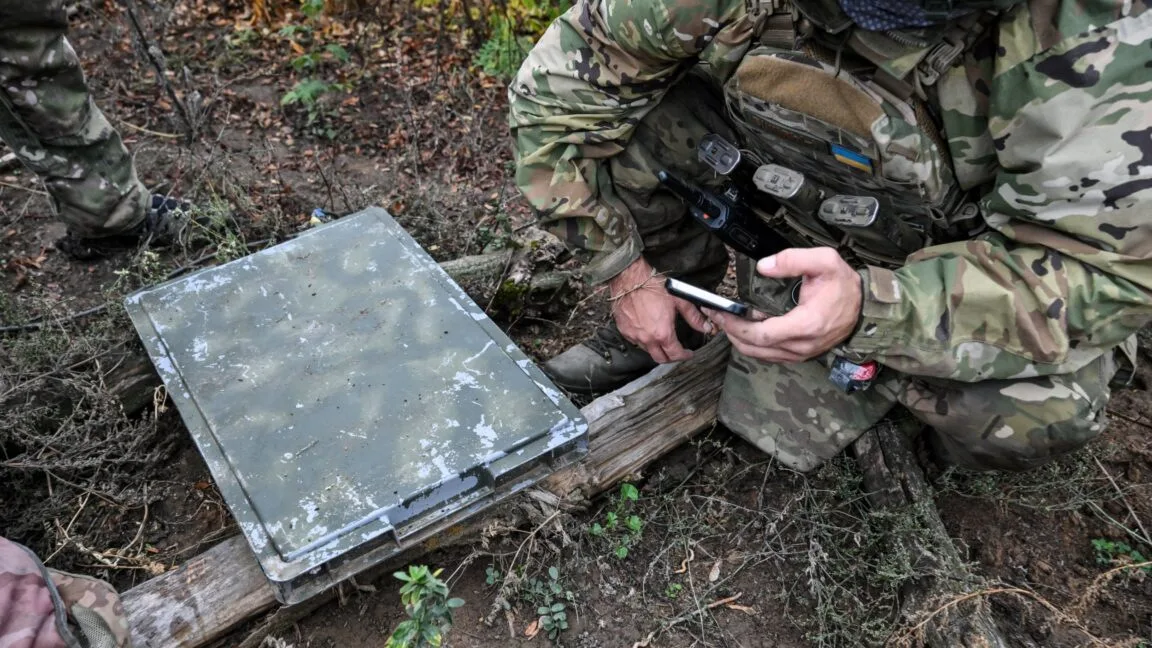
Image: Ars Technica · Source
Elon Musk accused Ukraine of violating Starlink’s terms by using its commercial satellite service for lethal drone attacks, sparking denial from Ukrainian officials who emphasize restrictions already blocked such use and confirm military operations rely on Starshield. Restrictions that caused controversy have reportedly been lifted.
Elon Musk, CEO of SpaceX, publicly accused Ukraine of violating Starlink's terms of service by using the company's commercial satellite internet service for offensive drone strikes that resulted in deaths. Musk's comments, made in late October 2026, followed SpaceX's recent technical restrictions that prevented Ukraine from using Starlink terminals on drones traveling above certain speeds.
Ukraine officials have strongly refuted Musk's claims. Serhii Beskrestnov, a defense technology advisor to Ukrainian President Volodymyr Zelenskyy, stated that all Starlink terminals in Ukraine were already restricted by speed limits, making the use of commercial Starlink for medium- or long-range offensive drone operations "physically impossible." He emphasized that Starlink does not function over Russian territory, thus limiting its operational scope. Beskrestnov expressed surprise that Musk appeared unaware of these operational constraints.
Further clarifying the distinction, Ukrainian and SpaceX sources explained that Starlink and Starshield represent separate systems: Starlink is the civilian commercial satellite internet service, while Starshield is a military-grade system controlled by the U.S. government. Ukrainian military drone missions requiring satellite communication are conducted exclusively via Starshield, not the civilian Starlink network. This separation is complicated by frequent interchangeable references to both services by government officials, sometimes causing confusion about which system is in use.
Amid these tensions, Ukrainian President Zelenskyy announced that the restrictions limiting Starshield's operational speeds had been lifted, restoring performance to previous levels. This restoration is critical to Ukrainian frontline logistics and defense, particularly against faster jet-powered "shahed" drones. The Defense Ministry confirmed that Starshield now supports speeds above 400 kilometers per hour, facilitating effective military operations.
Serhii Sternenko, a former advisor to the Ukrainian Ministry of Defense, also denied the accusation that Ukraine misused Starlink. Sternenko explained that since February 2026, any Starlink terminals operating on the move must be registered and linked to the Starshield system, thus preventing civilian Starlink terminals from supporting drone missions. He asserted that Starlink is limited to civilian or defensive activities and cannot be employed for offensive strikes.
Musk clarified that limits on Starshield's usage and performance are determined by the U.S. military and the President of the United States, not SpaceX. Musk has stressed that while Starlink is vital to Ukraine's defense, as it is currently the only satellite system resistant to jamming and physical attacks, it is not authorized for offensive military actions. He warned that disabling Starlink would severely compromise Ukraine's frontline capabilities.
This controversy highlights the complex interaction between private technology providers, military necessities, and geopolitical considerations in modern conflict zones. While Musk emphasizes contractual and ethical boundaries on Starlink's military use, Ukrainian officials insist compliance with these constraints and rely heavily on the Starshield system for offensive drone operations. With technical restrictions now reportedly lifted, the dispute appears to be de-escalating but underscores ongoing challenges in managing dual-use satellite technologies during wartime.

Sources and original reporting
Read the original source ↗
Comments (0)
No comments yet. Start the discussion.
Write a comment
Comments are published after moderation. Your name and comment will be visible publicly. Account