
Zen Browser Emerges as Preferred Successor to Arc with Privacy Focus
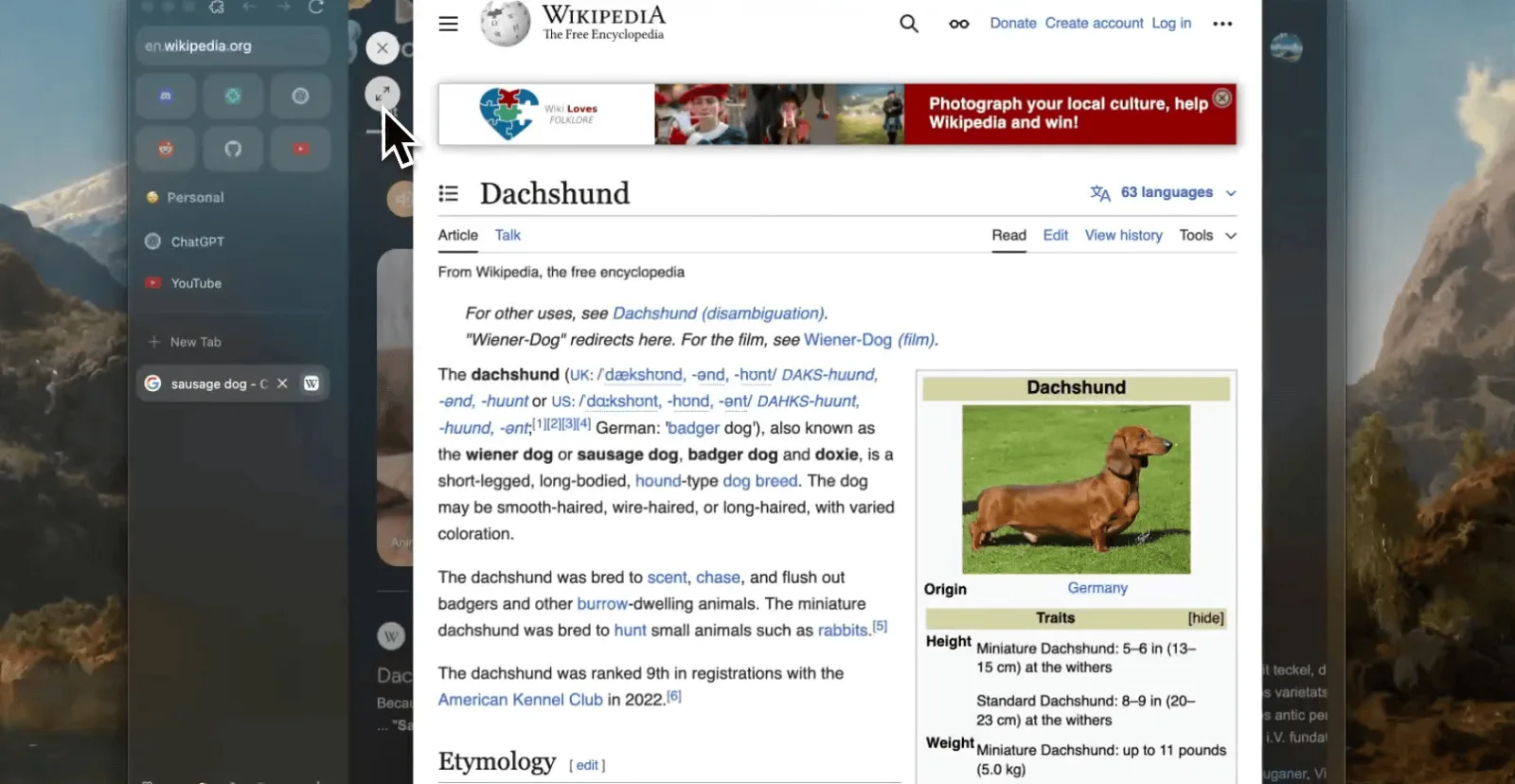
Image: Zen Browser is the Arc replacement I was looking for · Source
Following Atlassian's shift away from Arc browser to AI-centric Dia, Zen Browser adopts Arc's design strengths while emphasizing privacy and open-source development, appealing especially to users seeking a simpler, less AI-driven browsing experience.
The Arc browser, once celebrated for its innovative approach to interface design, is being phased out following its acquisition by Atlassian, which is pivoting development toward a more AI-integrated browser named Dia. This transition has left Arc’s dedicated user base searching for a suitable alternative. Zen Browser has emerged as a promising successor, adopting many design elements from Arc while addressing some of its predecessor’s shortcomings.
Zen Browser closely mirrors Arc's visually distinctive layout, featuring launcher-like pinned sites, a vertical tab bar on the left, and organizational spaces called silos. Users can customize the interface extensively through a feature called Zen Mods, which can modify everything from tab appearance to video playback management. Unlike Arc, however, Zen eschews embedded AI assistants entirely, removing any persistent sidebar agents or machine-learning models trained on user browsing data. This decision appeals to users wary of integrated AI features and privacy implications.
Privacy stands at the core of Zen Browser's philosophy. It operates as a free and open-source project developed by volunteers and supported by donations, explicitly emphasizing that it prioritizes user experience over data collection. While acknowledging that absolute online privacy is challenging, Zen contrasts its stance with Arc, which some users felt integrated user data into its business model.
Zen additionally supports a broad range of browser extensions, including Firefox add-ons and some Chrome extensions, reportedly providing better compatibility than Arc, which also supports Chrome extensions but can struggle with certain UI disparities.
One notable usability enhancement is Zen’s 'glance' view—temporary pop-over tabs that allow quick previewing of links without full tab switching, facilitating lighter research or browsing sessions. A floating command bar simplifies tab management and searching.
Despite its strengths, Zen Browser has limitations. It currently lacks support for Widevine DRM, restricting playback of content on platforms such as Netflix, Spotify, Disney+, and HBO. The development team is actively working to acquire the necessary licensing from Google. Additionally, being Firefox-based, Zen inherits Firefox's limited Web MIDI support, necessitating occasional use of other browsers like Chrome for certain tasks.
Zen’s Boosts feature, inspired by Arc’s customization tools, was introduced recently but remains less accessible due to the absence of a centralized repository or clear discovery interface for installable enhancements.
For users deeply invested in AI-driven browsing experiences, Atlassian’s Dia may be a better fit. Nonetheless, for those who appreciated Arc’s interface but desired a more straightforward, privacy-conscious browser without AI integration, Zen presents a compelling alternative with ongoing community support and development.


Sources and original reporting
Read the original source ↗
Comments (0)
No comments yet. Start the discussion.
Write a comment
Comments are published after moderation. Your name and comment will be visible publicly. Account