
Europe’s Industrial Leaders Harness NVIDIA Technologies to Revolutionize Engineering and Manufacturing
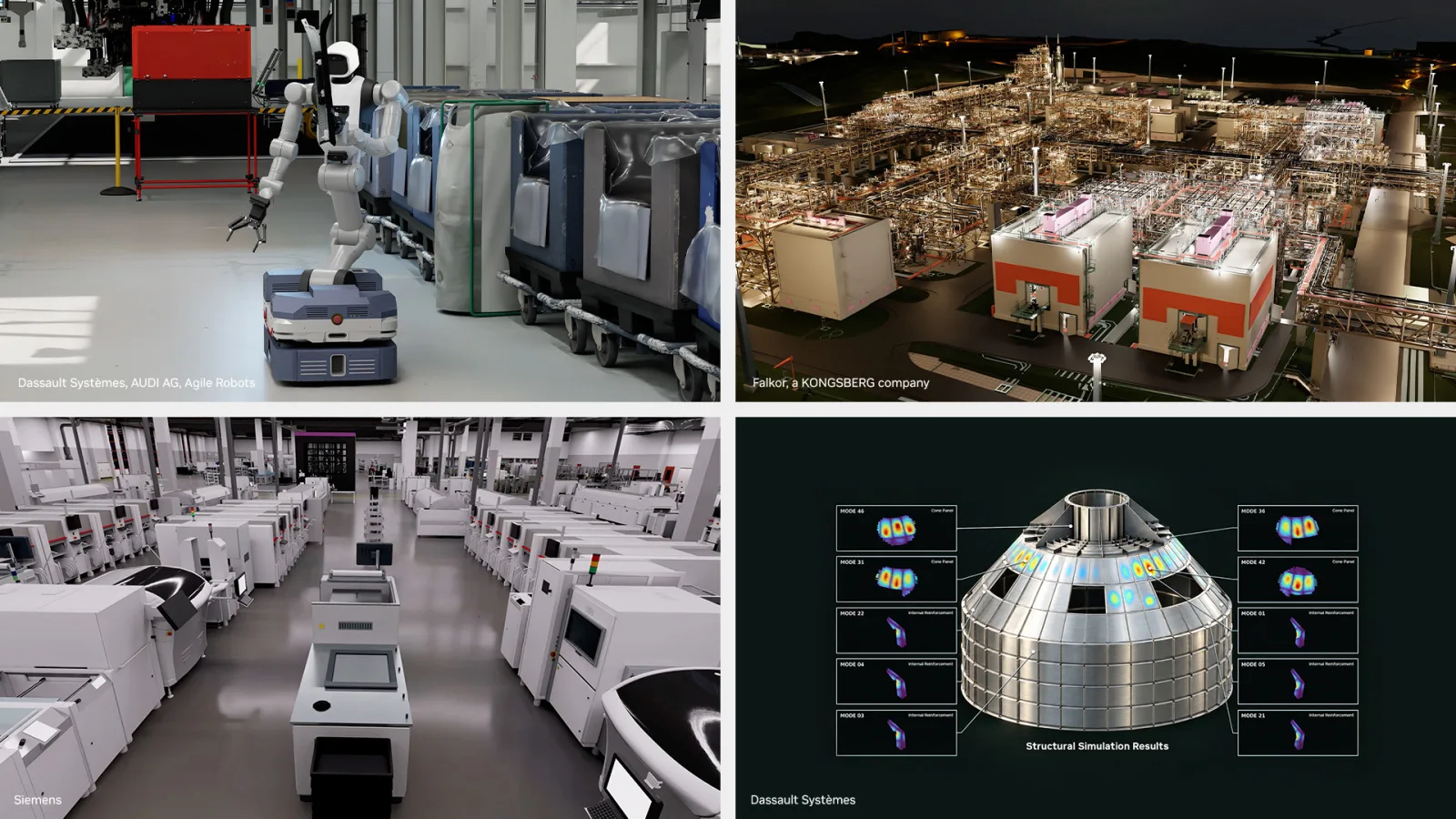
Image: NVIDIA · Source
European industry is adopting NVIDIA CUDA-X, Omniverse libraries, and AI models like Cosmos and Nemotron to enhance productivity and innovation across design, simulation, and factory operations, with tools such as the Factory Operations Blueprint driving real-time management and cost savings.
Europe’s industrial sector is increasingly integrating advanced NVIDIA technologies to transform engineering and manufacturing workflows, aiming to boost productivity, accelerate innovation, and unlock new economic growth opportunities. Leaders across the continent are leveraging NVIDIA’s CUDA-X libraries and Omniverse platform, coupled with open AI models like Cosmos and Nemotron, throughout the product lifecycle from design simulation to factory floor management.
Central to these initiatives is the early access release of the NVIDIA Factory Operations Blueprint (FOX) on GitHub. FOX enables developers to create intelligent factory manager agents that monitor and coordinate machinery operations in real time. These agents, which can specialize in functions such as visual inspection, root cause analysis, and fleet management, also integrate with foundational data sources including CAD, product lifecycle management systems, simulation tools, and IT/OT systems. Incorporating frontier AI models like Cosmos allows these agents to learn and adapt contextually without requiring costly fine-tuning.
Siemens exemplifies practical FOX applications by embedding these AI agents into its Intelligence Center X platform to coordinate factory processes more efficiently, reportedly achieving an estimated 20% cost reduction. Its Process Preparation X agents, powered by NVIDIA Cosmos Data Factory, generate defect images for tasks like circuit-board inspection, evidenced at its Erlangen electronics plant with a 40% reduction in calibration times.
On the engineering side, NVIDIA CUDA-X accelerates complex simulations, enabling faster iteration of design variants before physical prototyping. The recent general release of cuDSS further expedites calculations for structural stress, fluid dynamics, electromagnetics, and semiconductor behavior simulations.
Automakers are actively embracing these capabilities: Mercedes-Benz uses NVIDIA-accelerated Siemens software for aerodynamic assessments and Omniverse-driven agent frameworks to enforce stringent vehicle inspection quality. Similarly, Cadence benchmarks fluid dynamics on NVIDIA GPUs, while Autodesk integrates NVIDIA’s PhysicsNeMo and Warp frameworks into its design tools to advance simulation-informed vehicle development.
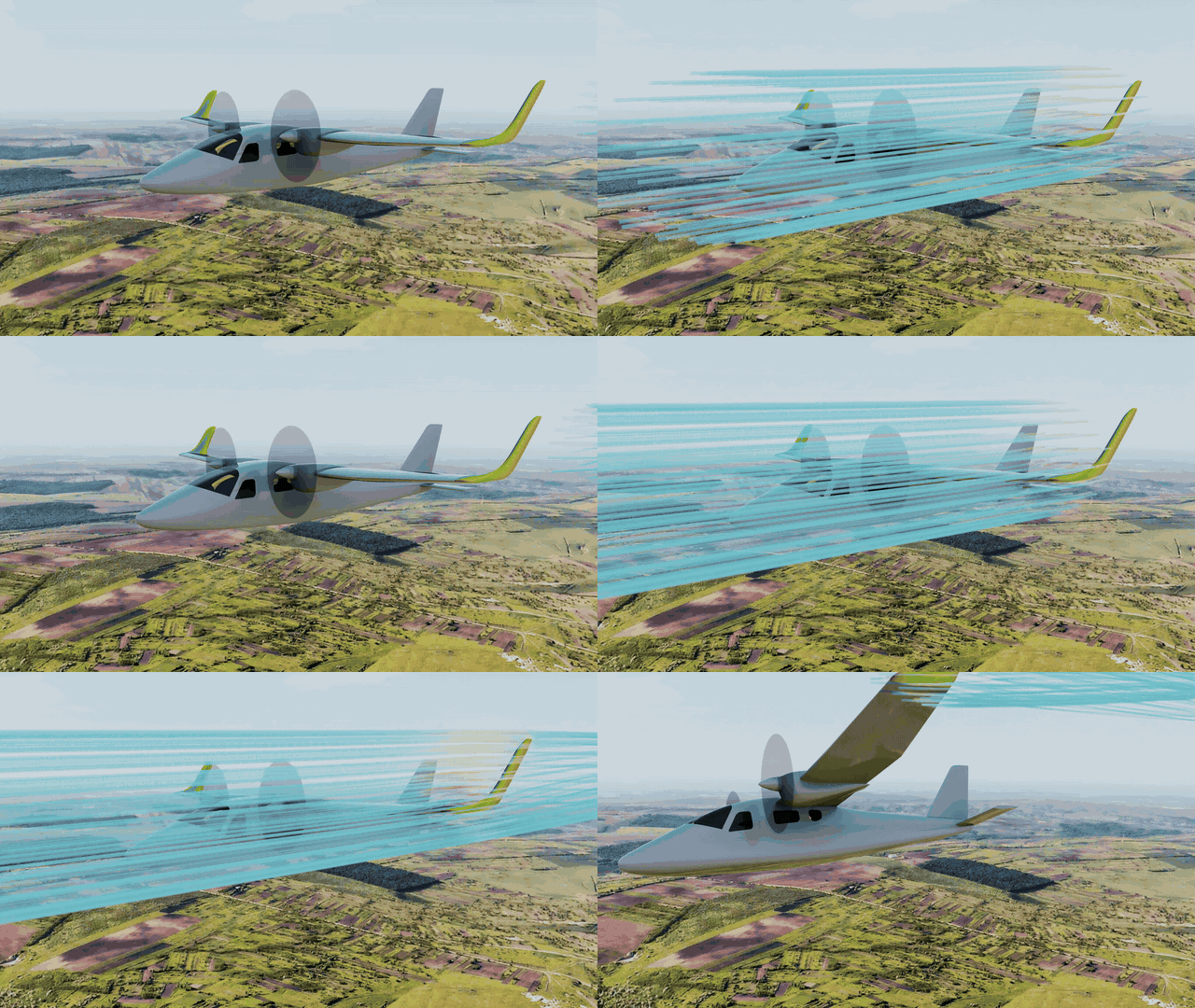
Semiconductor innovators imec and Infineon are applying NVIDIA-powered Synopsys software to attain major simulation speedups, enhancing device design. Aerospace and marine sectors also benefit, with Leonardo employing NVIDIA Omniverse for aircraft design coupling geometry and aerodynamic results, and UniversalAGI leveraging physics AI models and NVIDIA Warp to analyze complex sea wave impacts for naval safety.
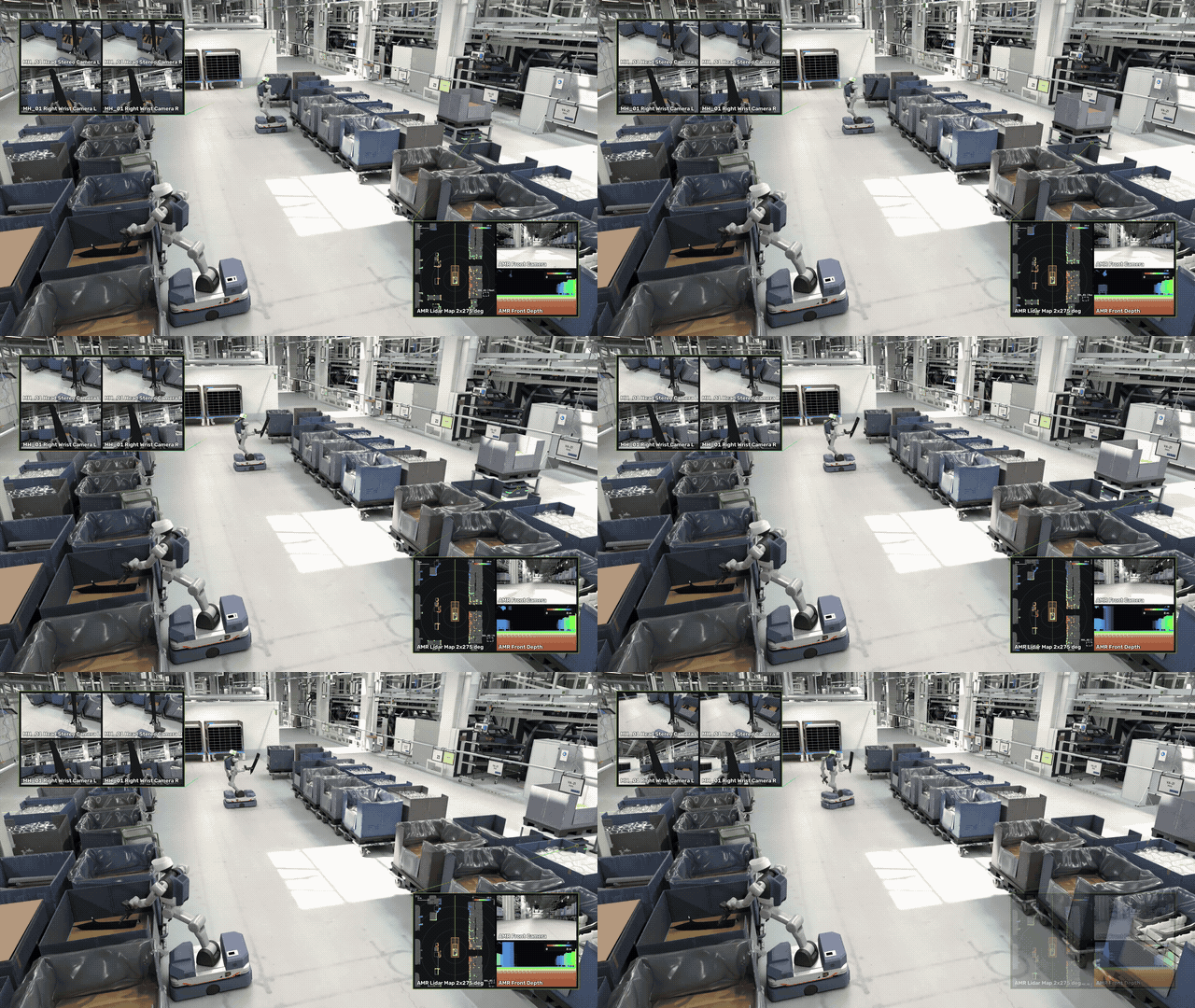
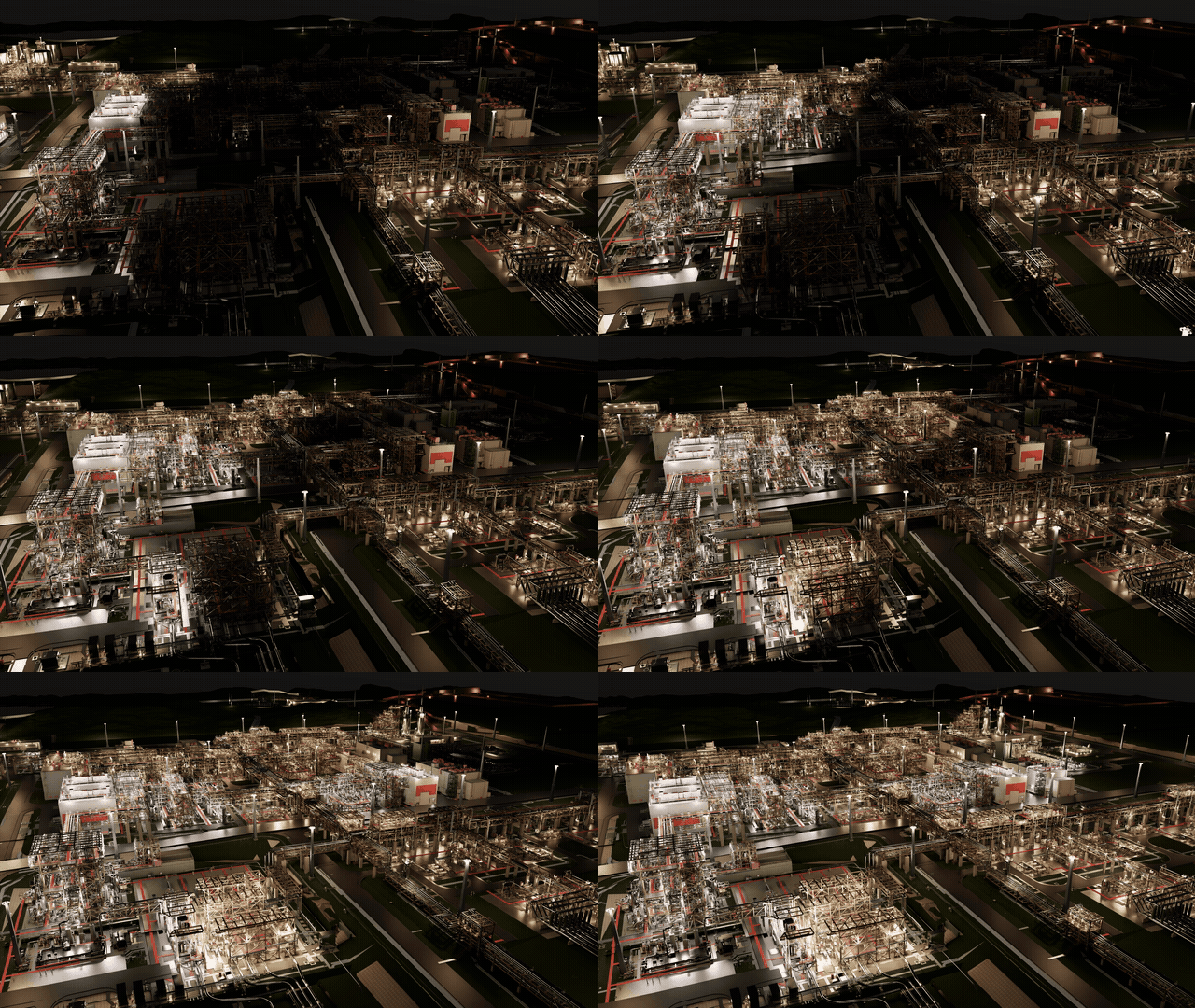
Digital twin and robotics simulations using NVIDIA Omniverse and Isaac libraries further support manufacturers. Audi models battery production digitally to validate workflows prior to hardware deployment. Schaeffler simulates robot actuator behavior, while Wandelbots uses these virtual tools to refine assembly processes. KONGSBERG’s Falkor platform combines AI agents, spatial intelligence, and Omniverse visualization powered by NVIDIA GPUs to oversee industrial plant inspections and maintenance.
Extending beyond production, Schneider Electric and AVEVA are collaborating to build AI-enabled factory digital twins with Omniverse libraries, evaluating energy infrastructure configurations virtually before physical implementation.
Through this ecosystem of accelerated simulation, AI-driven agents, and virtual environments, Europe’s industrial leaders, supported by NVIDIA innovations, are redefining engineering and manufacturing toward greater efficiency, adaptability, and sustainability.
Sources and original reporting
Read the original source ↗
Comments (0)
No comments yet. Start the discussion.
Write a comment
Comments are published after moderation. Your name and comment will be visible publicly. Account