
AI Designs Proteases to Specifically Cut Target Proteins, Potentially Aiding Disease Research
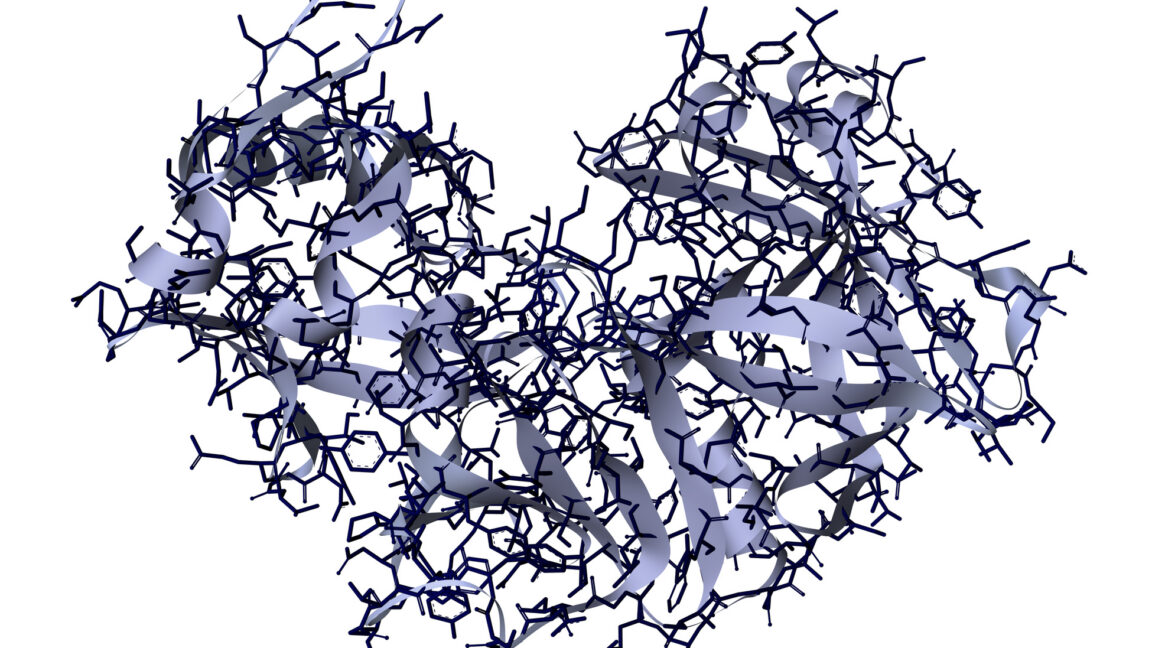
Image: Ars Technica · Source
Researchers at the University of Washington employ AI tools to design novel proteases capable of breaking stable peptide bonds in specific proteins, including those linked to neurological diseases, marking progress toward targeted protein editing.
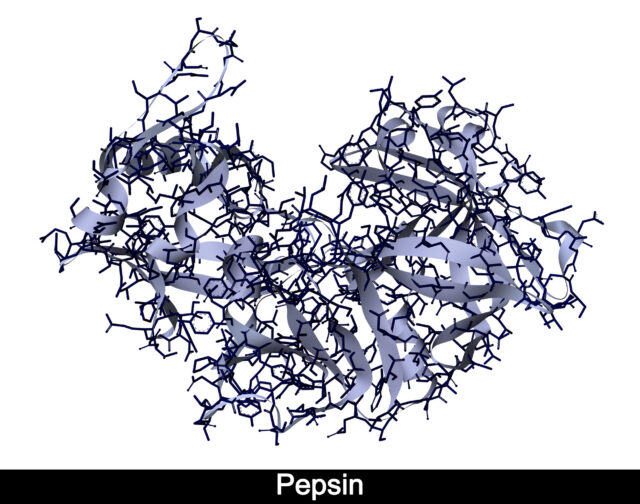
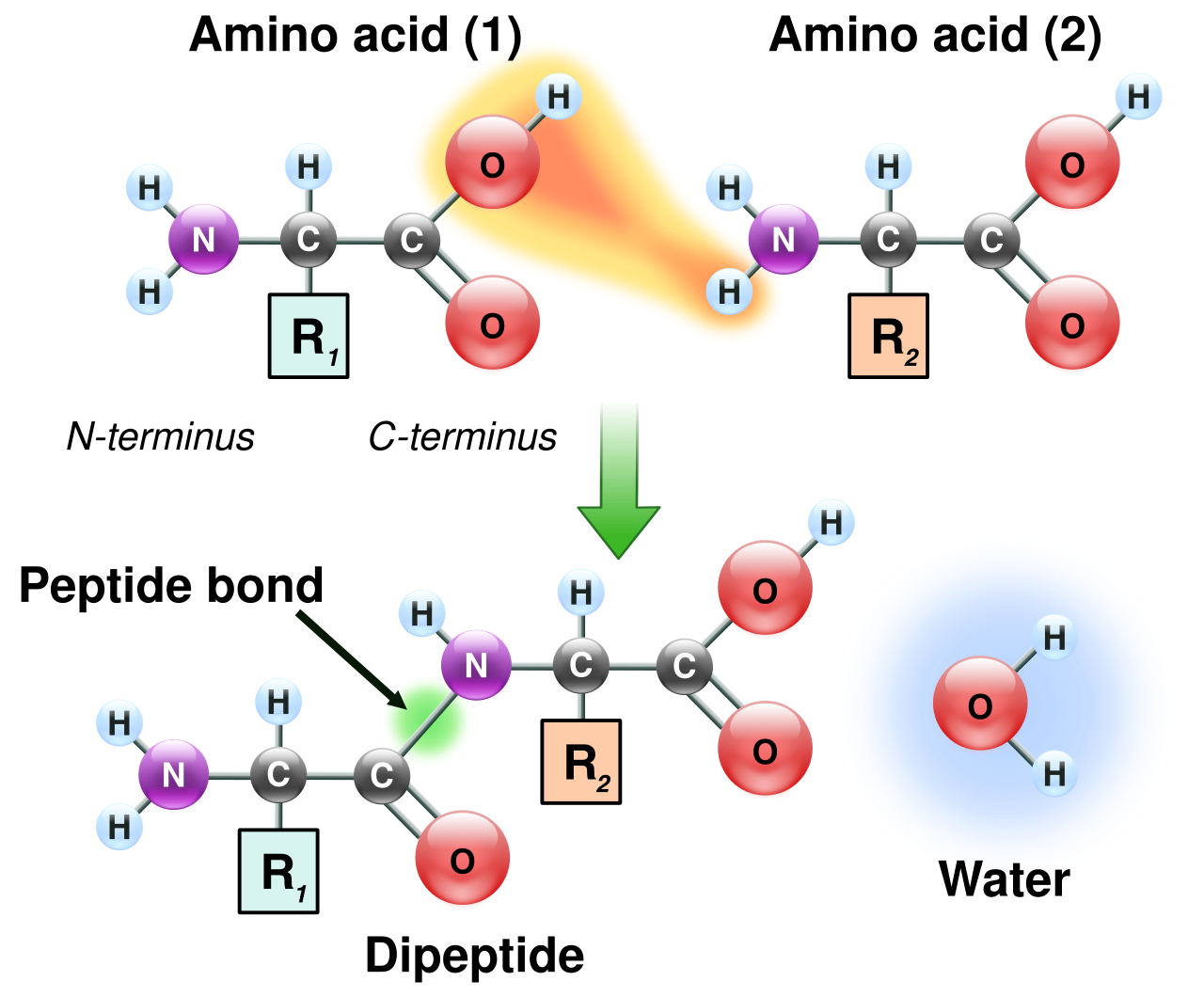
Proteins are chains of amino acids linked by peptide bonds, which are extraordinarily stable under normal conditions, with an estimated half-life spanning several hundred years. Despite this inherent stability, organisms possess specialized enzymes called proteases that efficiently catalyze the cleavage of these bonds, facilitating protein degradation and renewal vital for life. Until now, engineering proteases with precise specificity and catalytic efficiency has been challenging due to the complex arrangement of amino acids required at their active sites.
A research team led by Nobel laureate David Baker at the University of Washington has made significant strides using artificial intelligence (AI) protein design tools to create novel proteases. Their approach starts with the catalytic core of two naturally occurring protease types — zinc and cysteine proteases — and employs AI to redesign the protein scaffold surrounding these active sites. This enables the creation of enzymes with tailored specificity to cleave selected protein sequences.
The design pipeline leverages RFdiffusion2 software to generate enzyme backbones that position necessary catalytic amino acids precisely. Subsequently, ProteinMPNN assigns amino acids along this backbone, ensuring compatibility with the desired fold, catalytic site formation, and substrate binding. The researchers generated and evaluated dozens of designs, employing AlphaFold3 to validate that their novel structures did not resemble known proteins in existing databases.
Experimental validation demonstrated that many AI-designed proteases possessed catalytic activity, albeit generally lower than their natural counterparts initially. However, systematic amino acid substitutions near the active sites yielded variants with dramatically enhanced activities, speeding up peptide bond cleavage by factors of up to 10^9 for cysteine proteases and 10^10 for zinc proteases while maintaining target specificity.
Importantly, the researchers applied their design framework to proteases targeting proteins implicated in neurodegenerative diseases such as Alzheimer’s and frontotemporal dementia. Newly designed enzymes effectively cleaved these disease-associated proteins in cellular models, suggesting potential paths toward therapeutic interventions targeting pathogenic proteins.
Despite these promising results, challenges remain for clinical applications, including delivery of proteases to specific tissues or cells and avoiding immune responses. Furthermore, intracellular targets complicate therapy development, likely necessitating gene delivery methods to induce protease expression within affected cells.
The work also reveals current AI protein design tools excel in modeling structural constraints but have limitations in specifying catalytic activity to the level of evolved natural enzymes. Enhancing tools to directly optimize activity alongside structure could advance future enzyme design. Nonetheless, this research represents a pivotal advance in rational, AI-driven enzyme engineering with broad implications for biotechnology and medicine.

Sources and original reporting
Read the original source ↗
Comments (0)
No comments yet. Start the discussion.
Write a comment
Comments are published after moderation. Your name and comment will be visible publicly. Account