
Ukraine's Strikes Expose Russia's Vulnerable Centralized Digital Infrastructure
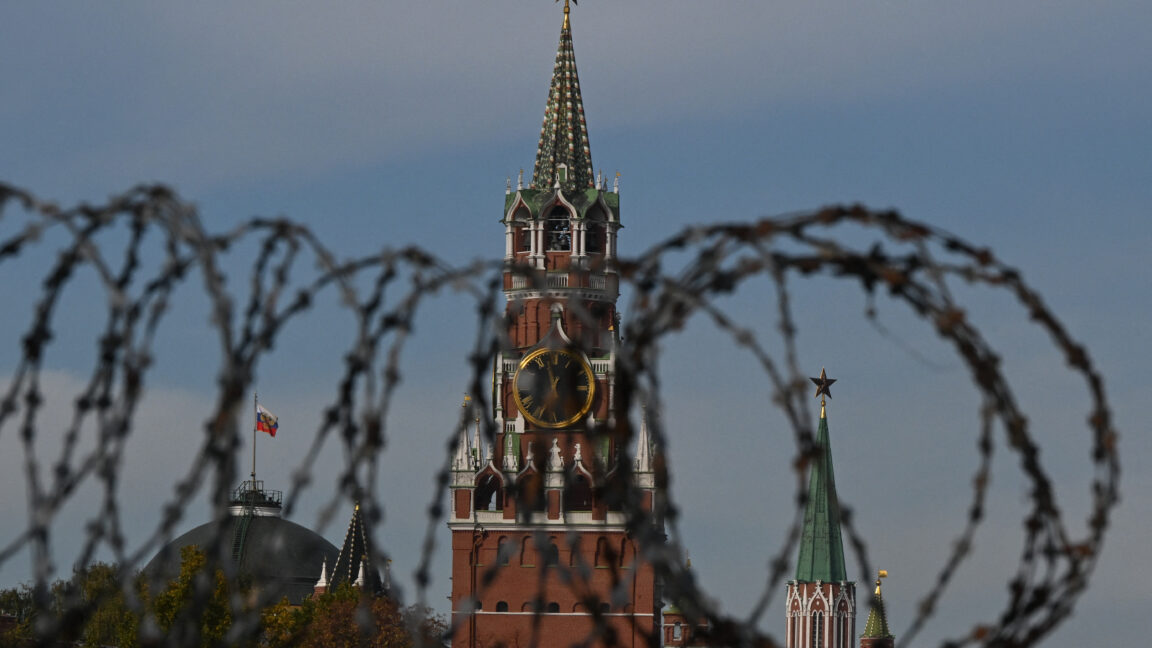
Image: Ars Technica · Source
Ukrainian drone attacks on Russian data centers owned by Yandex have caused widespread digital service outages, revealing weaknesses in Russia's highly centralized digital economy amid ongoing conflict.
In the ongoing conflict between Russia and Ukraine, Ukrainian forces have targeted key data centers owned by Russian tech giant Yandex, inflicting significant disruptions on Russia’s digital services. These attacks have revealed vulnerabilities in Russia's highly centralized digital economy, highlighting a critical battlefield beyond traditional military fronts.
Starting in late September, Russia launched an assault on Ukrainian data centers and telecom infrastructure, temporarily disrupting internet and mobile services in Kyiv. However, Ukraine's retaliation has been swift and impactful. Between October 8 and 11, Ukrainian drone strikes targeted three of Yandex’s largest data centers near Moscow and surrounding regions. These facilities house supercomputers integral to Yandex's AI initiatives, including the YandexGPT model, with computing powers reaching up to nearly 30 petaflops.
The strikes have caused major interruptions to a spectrum of Russian digital services, including payment and banking apps, email platforms, e-commerce sites, video streaming, ride-hailing, food delivery, and navigation tools. Since Yandex controls approximately 70% of Russia's search engine market and supplies cloud computing services to leading nationwide companies, these damages have had broad economic and societal ramifications.
Russian commentators and milbloggers have acknowledged these setbacks, pointing to the hypercentralization of Russia’s digital ecosystem as a critical point of failure in wartime conditions. The concentration of essential digital infrastructure into a few large data centers has made Russia’s economy susceptible to targeted disruptions. This centralization contrasts with Ukraine’s more decentralized network of smaller data centers and its proactive efforts to build redundant infrastructure, including relocation of some critical services underground or abroad.
Compounding Russia’s challenges, legislation known as the “Sovereign Internet Law” inhibits the relocation or replication of Russian digital infrastructure abroad, limiting options for geographically distributed backup systems. Sanctions and geopolitical barriers further restrict access to infrastructure in friendly neighboring countries.
By contrast, Western technology firms such as Microsoft and Amazon have played a crucial role in supporting Ukraine’s digital resilience. Amazon Web Services alone hosts over 15 petabytes of Ukrainian government and private sector data, facilitating continuity despite ongoing Russian missile and drone campaigns.
Experts caution that repairing and replacing damaged Russian data center equipment may take as long as six months, underscoring the strategic significance of digital infrastructure in modern conflicts. Russia’s experience reveals how digital centralization, once an economic strength, can become a strategic vulnerability under sustained cyber-physical attacks, reshaping the battlefield in the war between Russia and Ukraine.

Sources and original reporting
Read the original source ↗
Comments (0)
No comments yet. Start the discussion.
Write a comment
Comments are published after moderation. Your name and comment will be visible publicly. Account