
Google Leverages AI to Revolutionize Disease Understanding, Diagnosis, and Treatment
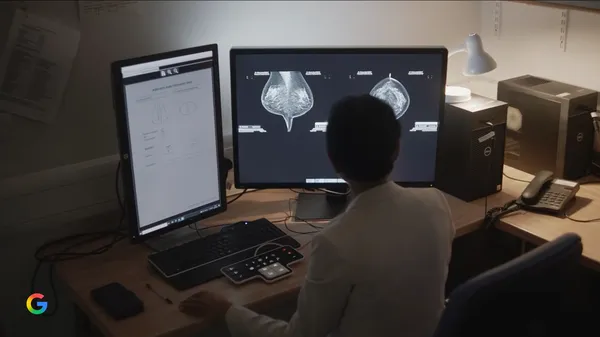
Image: Google · Source
Google advances global health by applying AI to decode biology, accelerate drug discovery, and improve disease detection, enabling rapid genetic diagnoses, enhanced cancer screening, and public health forecasting.
Google is harnessing artificial intelligence to transform the understanding, diagnosis, and treatment of diseases worldwide. Collaborating with scientists and research institutions, Google uses AI-driven tools that accelerate medical research by revealing molecular disease mechanisms, speeding drug discovery, and supporting clinicians with faster and more accurate diagnoses.
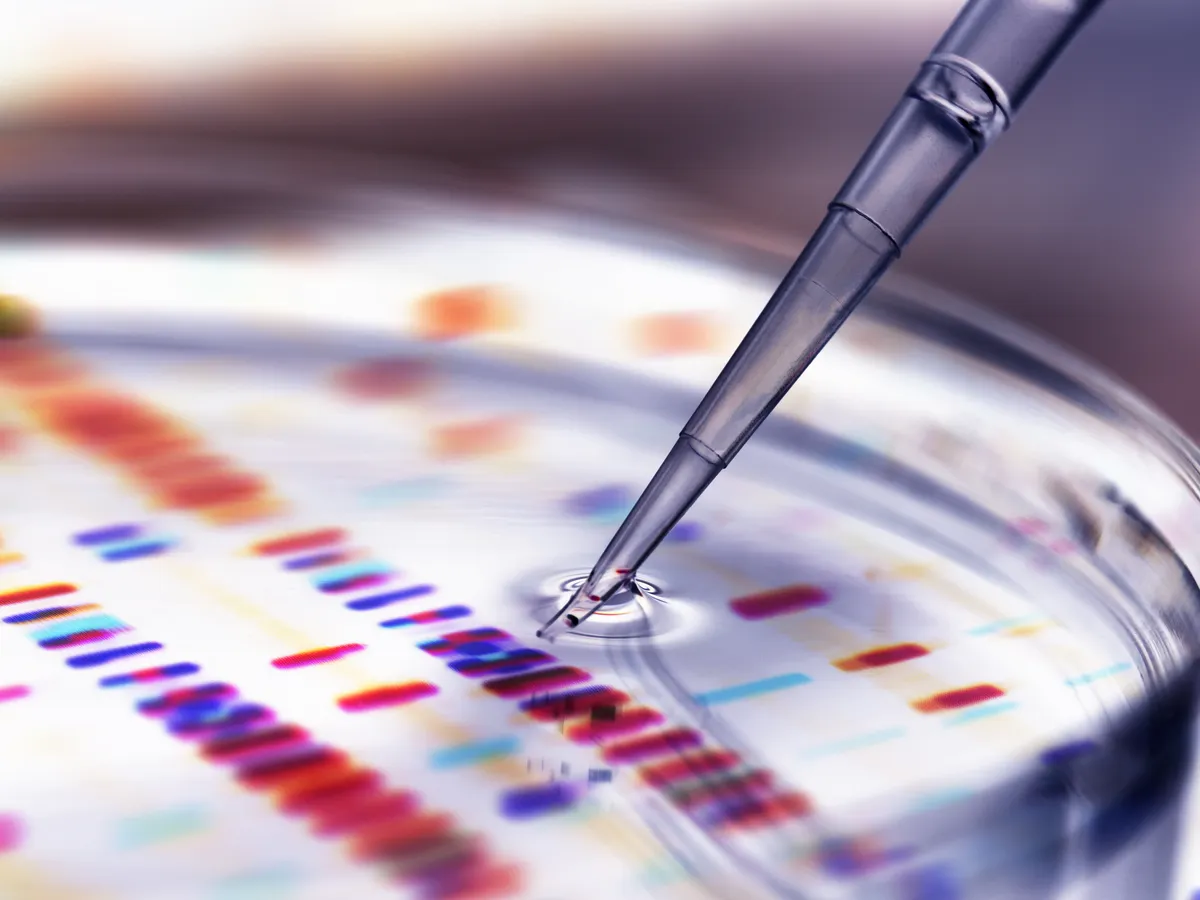
Among Google's significant developments is the AlphaGenome Atlas, a comprehensive resource predicting how single-letter genetic variants affect molecular biology. This model helps researchers identify disease-related genetic changes amidst vast genomic data, aiding efforts such as linking mutations to aging-related proteins.
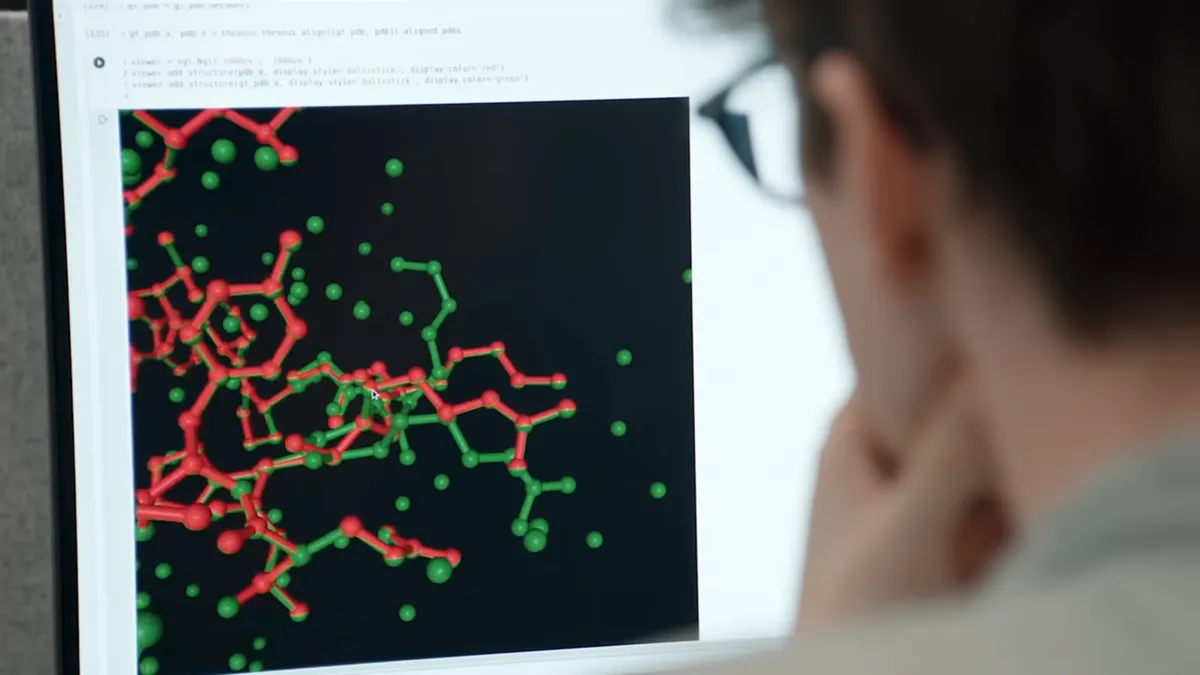
In drug discovery, Google's AlphaFold technology enabled the Institute for Global Health in Barcelona to virtually screen 30,000 compounds, identifying existing FDA-approved drugs for repurposing against Chagas disease, thereby cutting time toward effective treatments. Additionally, Google partnered with Harvard’s Lichtman Lab to reconstruct the human brain at nanoscale resolution, enhancing neuroscience research through openly available datasets.
On the clinical side, Google collaborated with Stanford University School of Medicine to use AI models DeepVariant and DeepConsensus, achieving ultrarapid genome sequencing diagnoses in under eight hours—a feat recognized by a Guinness World Record. The company also introduced AlphaProtein Novo, a machine learning system capable of designing novel enzymes for drug synthesis and environmental applications, showcasing AI’s potential to create functional proteins beyond natural examples.
Public health benefits from Google's geospatial AI, which integrates environmental and mobility data to forecast disease outbreaks. This technology assisted local responders in the Democratic Republic of the Congo to identify Ebola transmission risks more swiftly, enabling timely intervention.
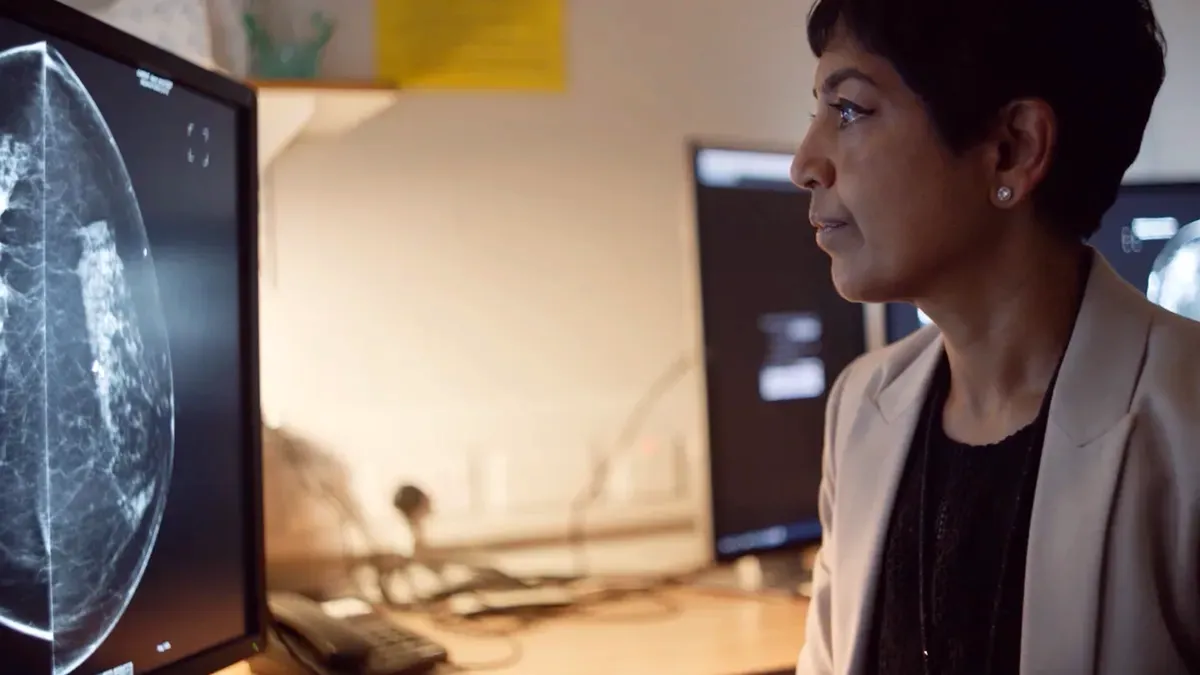
Machine learning models are also enhancing medical imaging. Collaborative studies with Imperial College London and the UK’s NHS demonstrated improved mammography screening systems that detect 25% of cancers previously missed and reduce specialist workloads by up to 40%. In pediatric oncology, Google's DeepSomatic model uncovered previously undetected leukemia mutations, informing targeted treatment decisions.
Google’s flu forecasting model achieved top ranking by the US Centers for Disease Control during the 2025–2026 season, accurately predicting flu-related hospital admissions and aiding preparedness.
Through open-access platforms and supporting over $60 million in global philanthropic funding via Google.org in 2026, Google empowers researchers to translate advanced AI-driven discoveries into real-world medical solutions. By addressing disease from fundamental biology to patient care, Google aims to improve health outcomes and extend healthy lifespans worldwide.

Sources and original reporting
Read the original source ↗
Comments (0)
No comments yet. Start the discussion.
Write a comment
Comments are published after moderation. Your name and comment will be visible publicly. Account