
Rising Risks Threaten the Security of the Internet’s Undersea Cable Infrastructure
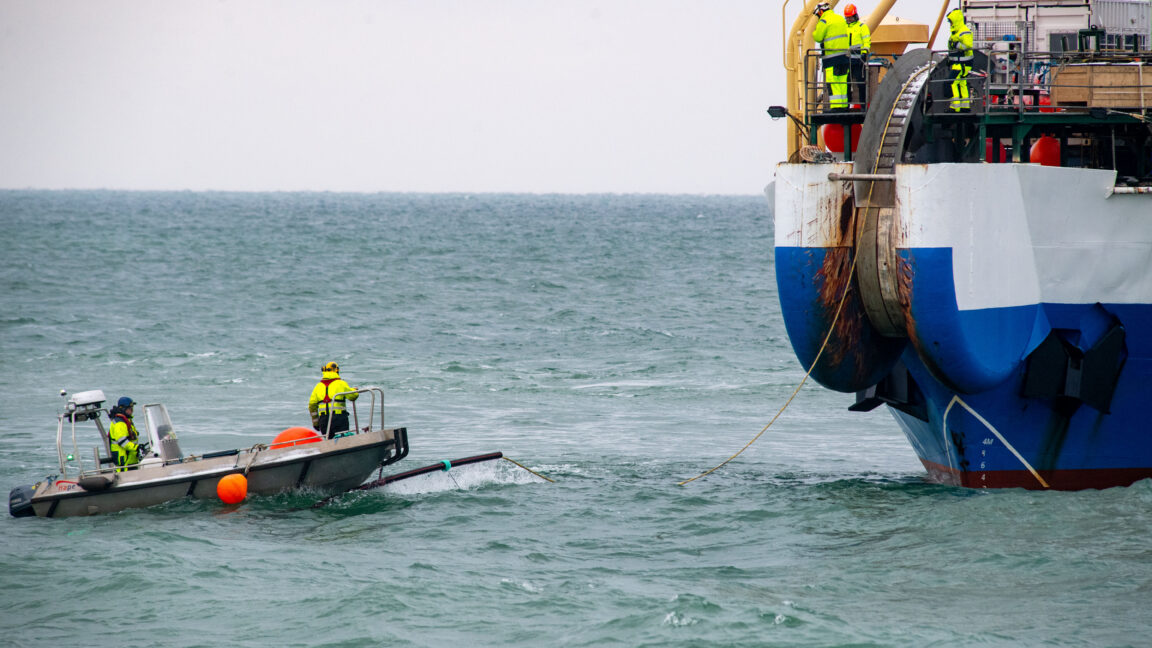
Image: Ars Technica · Source
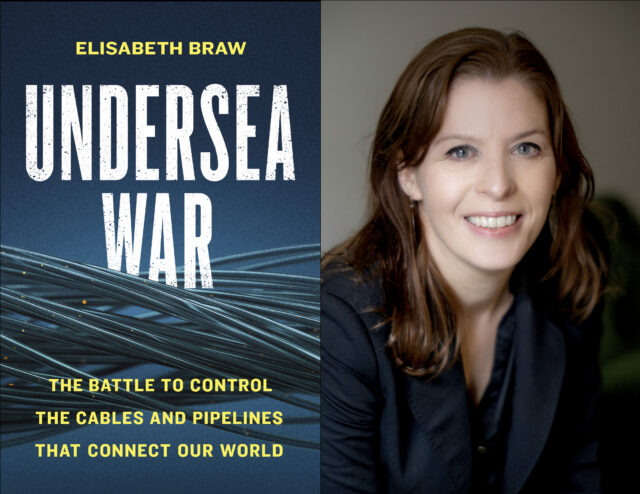
Elisabeth Braw’s book highlights growing geopolitical tensions and suspicious incidents jeopardizing undersea Internet cables, crucial for global communications and energy, amid fading international norms and increasing sabotage attempts.
The vast majority of the world’s Internet traffic is carried by fiber-optic cables laid across the ocean floors, coexisting with other critical underwater infrastructure such as oil pipelines and power cables. Despite the expansion of satellite communications like Starlink, these subsea networks remain the backbone of global connectivity. However, new risks to this hidden infrastructure are rising sharply, as detailed in Elisabeth Braw’s recent book, Undersea War.
Braw, a senior fellow at the Atlantic Council and head of the Threats to the Global Maritime Order Initiative, examines the increasing incidents of damage to underwater cables and pipelines, often caused by suspicious ship activity. While historically around 60% of cable damage resulted from accidental human actions such as fishing or anchor dragging—and a smaller proportion from natural hazards—there is now heightened concern over deliberate sabotage linked to expanding gray-zone conflicts and warfare.
Among notable recent incidents, a Russian-associated oil tanker called Eagle S dragged its anchor over 56 miles of seabed in December 2024, severing multiple data cables and a significant submarine power cable connecting the Baltic and Nordic grids. This event followed damage caused just a month earlier by a Chinese cargo ship, Yi Peng 3, in the Baltic, though only the officers of the Eagle S faced prosecution. Elsewhere, Taiwan convicted a Chinese-owned vessel’s captain in mid-2025 for intentionally cutting an undersea telecom cable.
Braw points out that the longstanding international framework protecting undersea infrastructure, including the United Nations Convention on the Law of the Sea (UNCLOS), is fraying. While such agreements during the Cold War era somewhat constrained interference, today the incentives to target these cables have intensified, fueled by their critical role in global finances and communications. Countries like Russia have increasingly used non-military tactics to weaken rivals, turning subsea cables into strategic vulnerabilities.
The complexity is compounded as these cables lie in international waters, where jurisdiction is limited and where the rapid expansion of submarine fleets and underwater drones raises new threats. Suspicious activity by research vessels from Russia and China lingering near cable routes adds to concerns about covert cable surveillance or sabotage capabilities.
Geopolitical tensions in regions such as the Strait of Hormuz further complicate matters. Iran’s threats to impose tolls or even attack cables passing through this vital corridor have led to cable project suspensions amid ongoing conflicts. This challenges the safety and operational logistics of laying and repairing cables when hostilities exist nearby.
A critical issue is the tension between private cable operators—often technology giants investing in high-capacity cables—and national governments, whose security interests may demand greater redundancy and protection. Operators, driven by commercial considerations, might limit cable proliferation due to cost, whereas governments desire robust, resilient networks.
Braw’s research underscores that the underwater cables, once heralded as harbingers of global peace through instant communication, now stand at risk amid deteriorating international order and intensifying geopolitical rivalries. Their security demands renewed global cooperation and strategic attention to safeguard the infrastructure underlying the modern digital world.

Sources and original reporting
Read the original source ↗
Comments (0)
No comments yet. Start the discussion.
Write a comment
Comments are published after moderation. Your name and comment will be visible publicly. Account