
Sceye's Stratospheric Airship Completes Trans-Pacific Flight to Test Sky Cell Tower
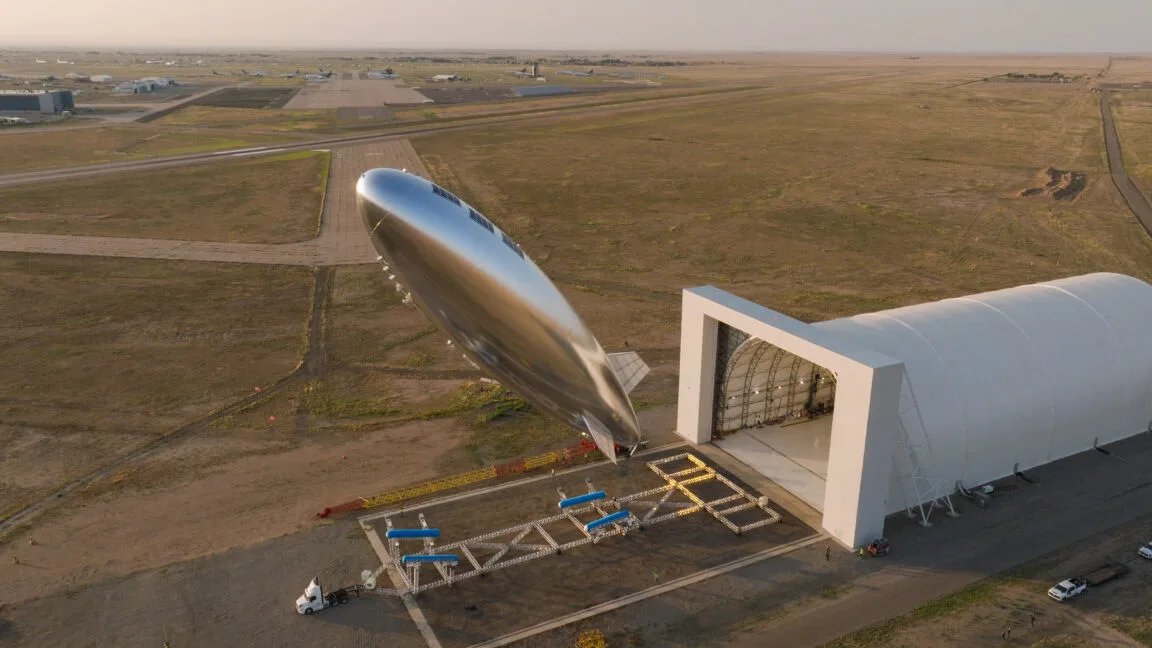
Image: Ars Technica · Source
Sceye's uncrewed helium airship flew from New Mexico to Japan and back, demonstrating its potential as a stratospheric mobile broadband platform, especially for disaster response and underserved areas.
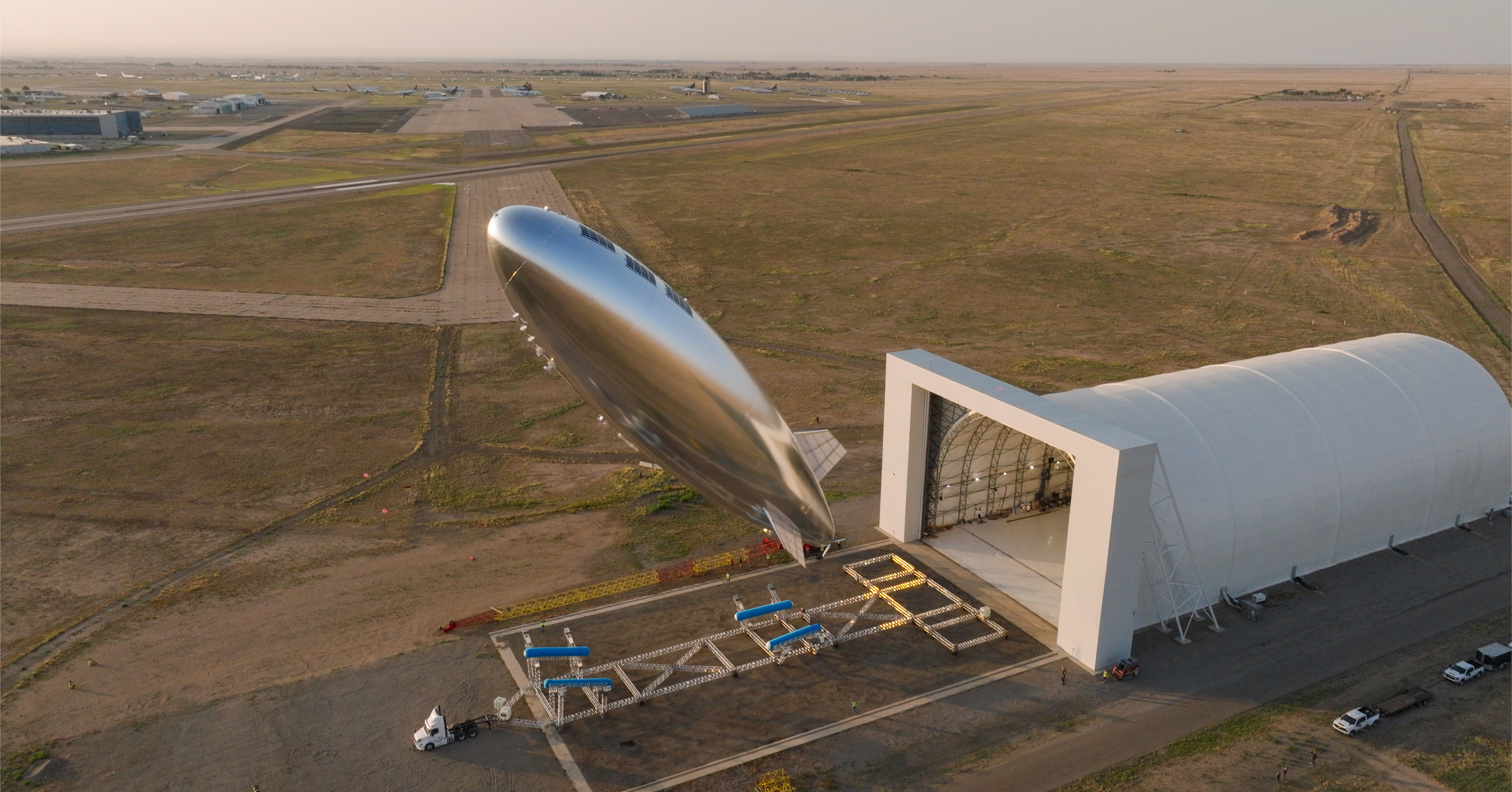
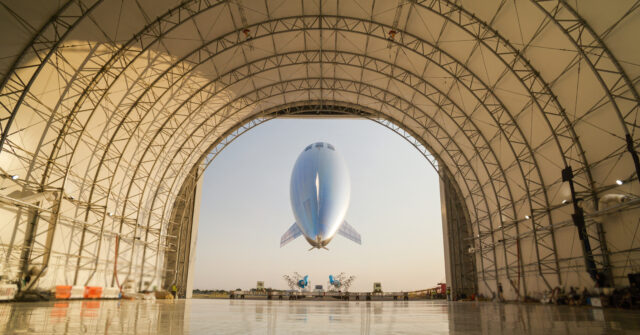
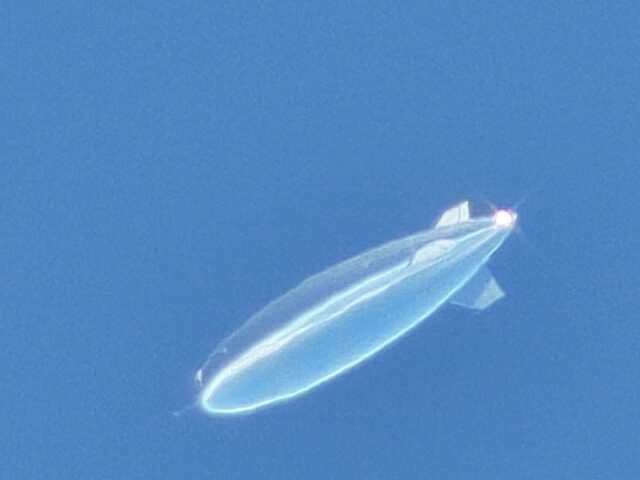
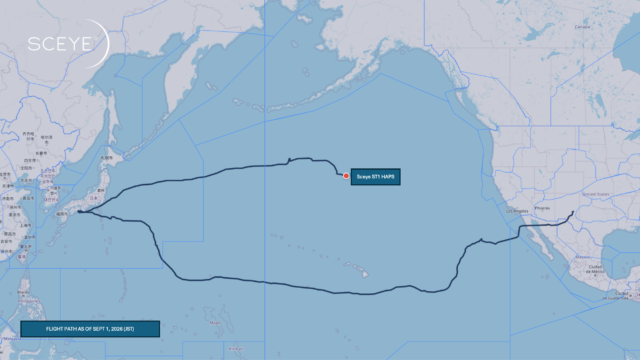
Nearly a century after the Graf Zeppelin's Pacific crossing, modern aerospace firm Sceye has completed a notable journey with its uncrewed stratospheric airship, traveling from New Mexico to Japan and back over 30 days in August and September 2026. This flight was designed not simply to cover distance but to prove the feasibility of a lighter-than-air platform operating at around 60,000 feet as a high-altitude cell tower.
The airship, filled with helium and powered by solar panels alongside electric propellers, can hover above commercial air traffic and the jet stream, offering persistent station-keeping while maintaining a closer proximity to the ground compared to satellites. Sceye's CEO, Mikkel Frandsen, emphasized that their system leverages advancements in materials such as graphene to optimize weight and power efficiency, enabling longer and heavier payload flights than previous attempts.
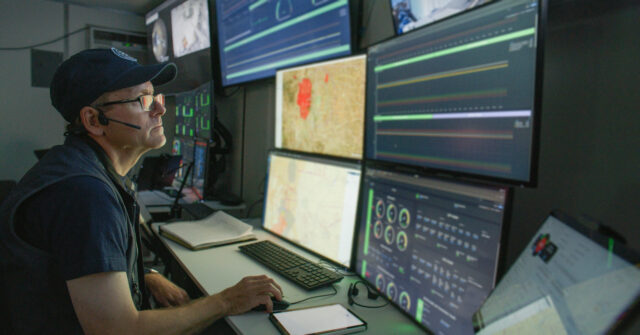
During its trans-Pacific flight, the platform's autonomy allowed it to navigate through strong winds and adverse weather, including the challenging typhoon season, using a waypoint navigation system that adapts to real-time conditions. Once over Japan’s Shikoku island, the airship partnered with SoftBank Corp to demonstrate live 4G LTE cellular service from stratospheric heights, including voice, texting, internet, video calls, and emergency alert capabilities.
The platform also supported drone operations and tested data throughput in various conditions such as open beaches, forests, and indoors, showing strong performance even with conservative transmission power. Additional trials included onboard edge computing with reduced latency and laser-based optical wireless communication to and from the ground, illustrating future potential for bridging satellites and terrestrial networks.
This technology could provide substantial mobile broadband coverage equivalent to hundreds of ground towers with greater resilience, especially valuable during natural disasters or in regions lacking fiber-optic infrastructure. The wireless nature of the system also offers protection against infrastructure sabotage and accidental undersea cable damage.
Following this milestone, Sceye and SoftBank plan extended missions lasting up to a year, focusing on both emergency support and regular cellular service for underserved areas. This stratospheric platform represents a promising new approach to global connectivity, integrating solar power, high-altitude station-keeping, and diverse communication capabilities into a scalable high-altitude platform system.

Sources and original reporting
Read the original source ↗
Comments (0)
No comments yet. Start the discussion.
Write a comment
Comments are published after moderation. Your name and comment will be visible publicly. Account