
Japan Launches Ambitious Mission to Return Samples from Martian Moon Phobos
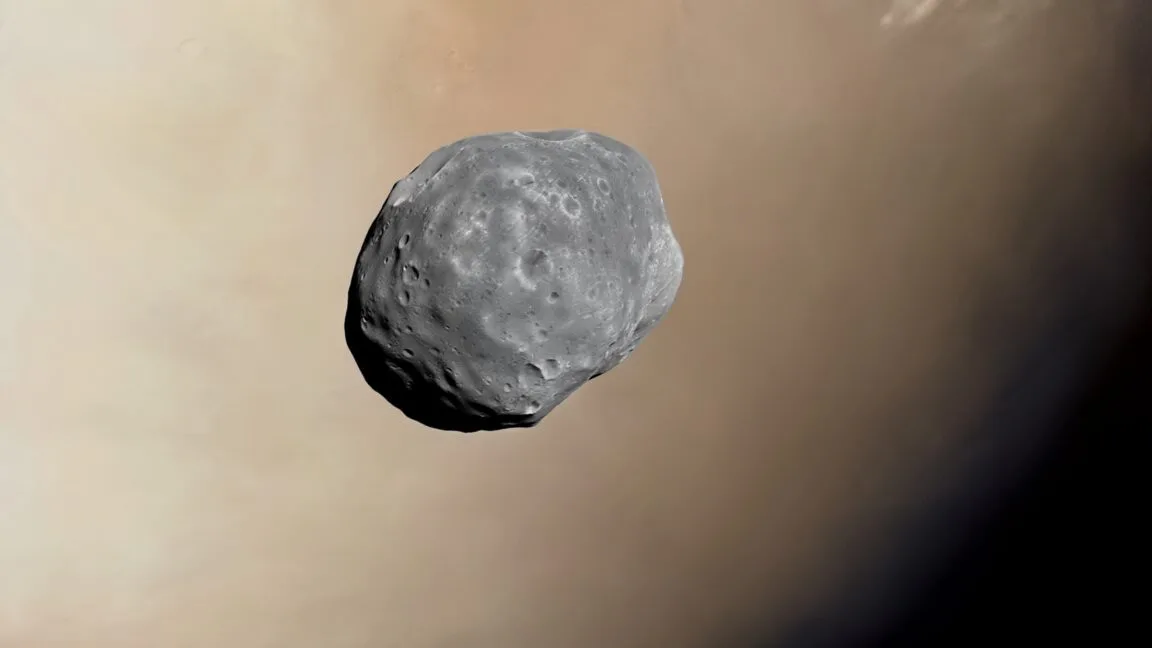
Image: Ars Technica · Source
Japan's MMX spacecraft has launched on a five-year mission to land on Mars' moon Phobos, collect samples, and return them to Earth, aiming to unlock clues about the moon's origin and the Solar System's history.
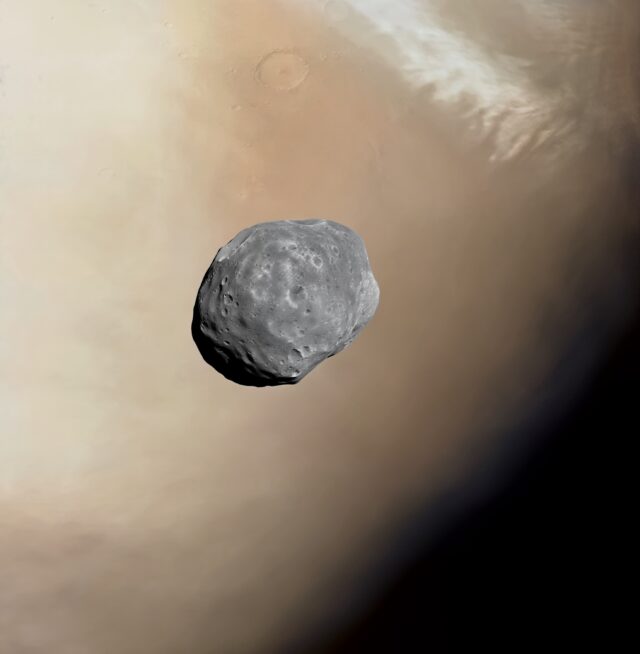
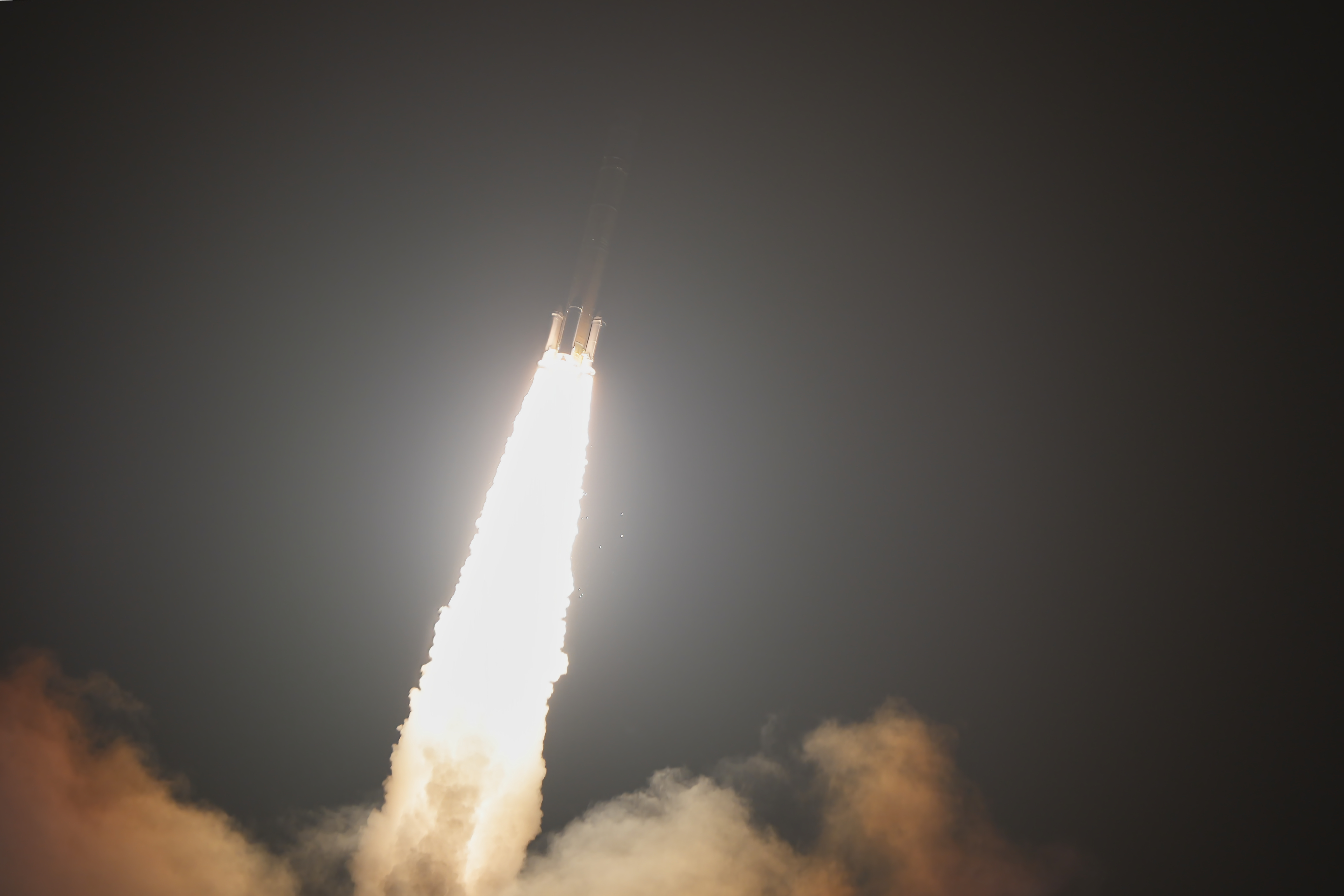
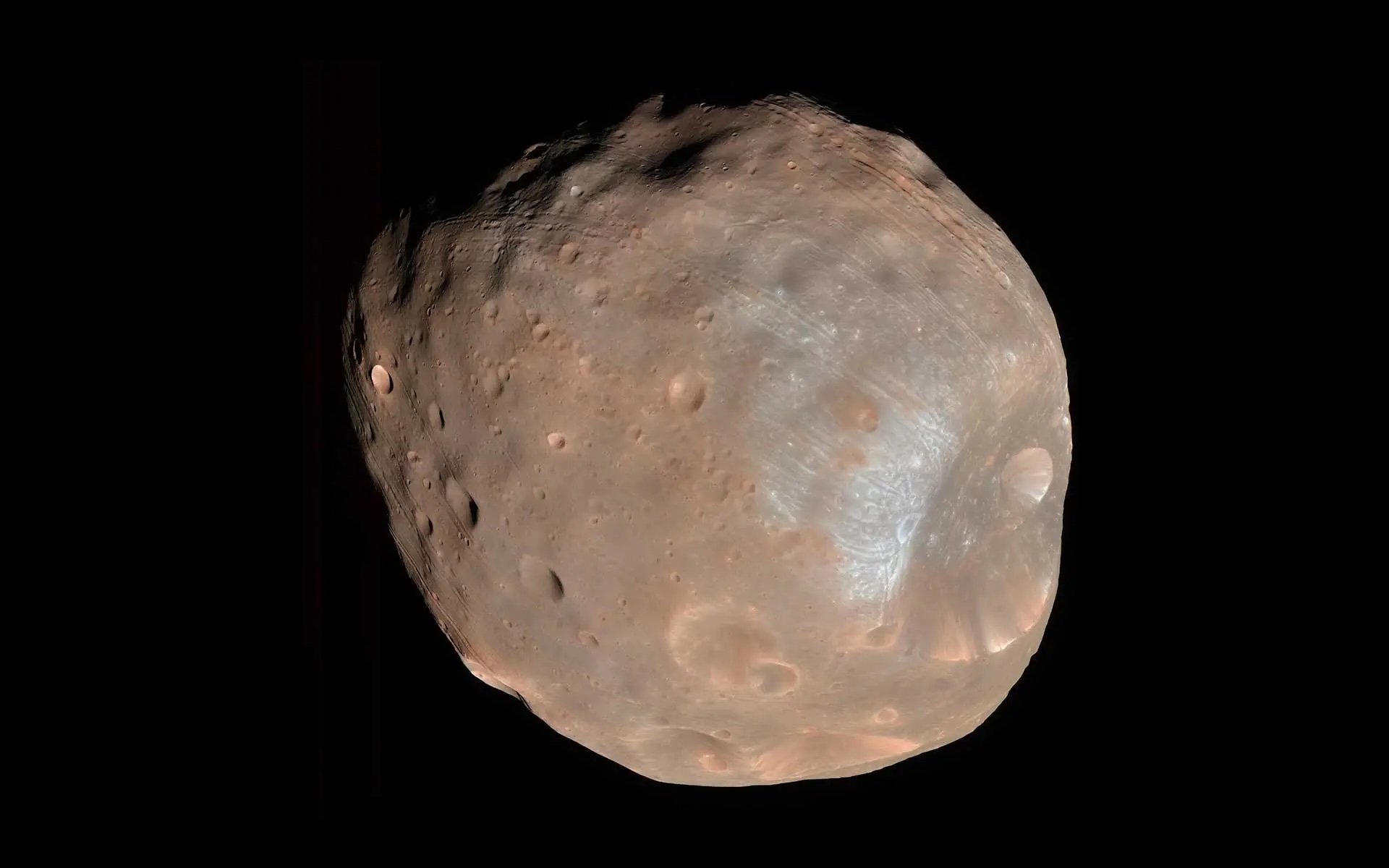
Japan commenced a groundbreaking interplanetary mission on October 19, 2026, with the launch of its Martian Moons eXploration (MMX) spacecraft from the Tanegashima Space Center using the new H3 rocket configuration. This $578 million mission targets Phobos, Mars’s larger moon, with the goal of performing landings on its surface to retrieve samples for return to Earth by 2031. The MMX spacecraft, weighing nearly 4.5 metric tons with most of that mass being propellant, embarked on a 10-month cruise toward Mars after separation from its launch vehicle.
Building upon Japan’s prior success with asteroid sample-return missions Hayabusa and Hayabusa 2, MMX represents the country’s most ambitious deep-space endeavor. Japan has gained international collaboration for MMX, notably from NASA and European space agencies, reflecting confidence in JAXA’s proven sample-return expertise. NASA contributed key instruments and sampling technology, while European partners provided the Idefix rover.
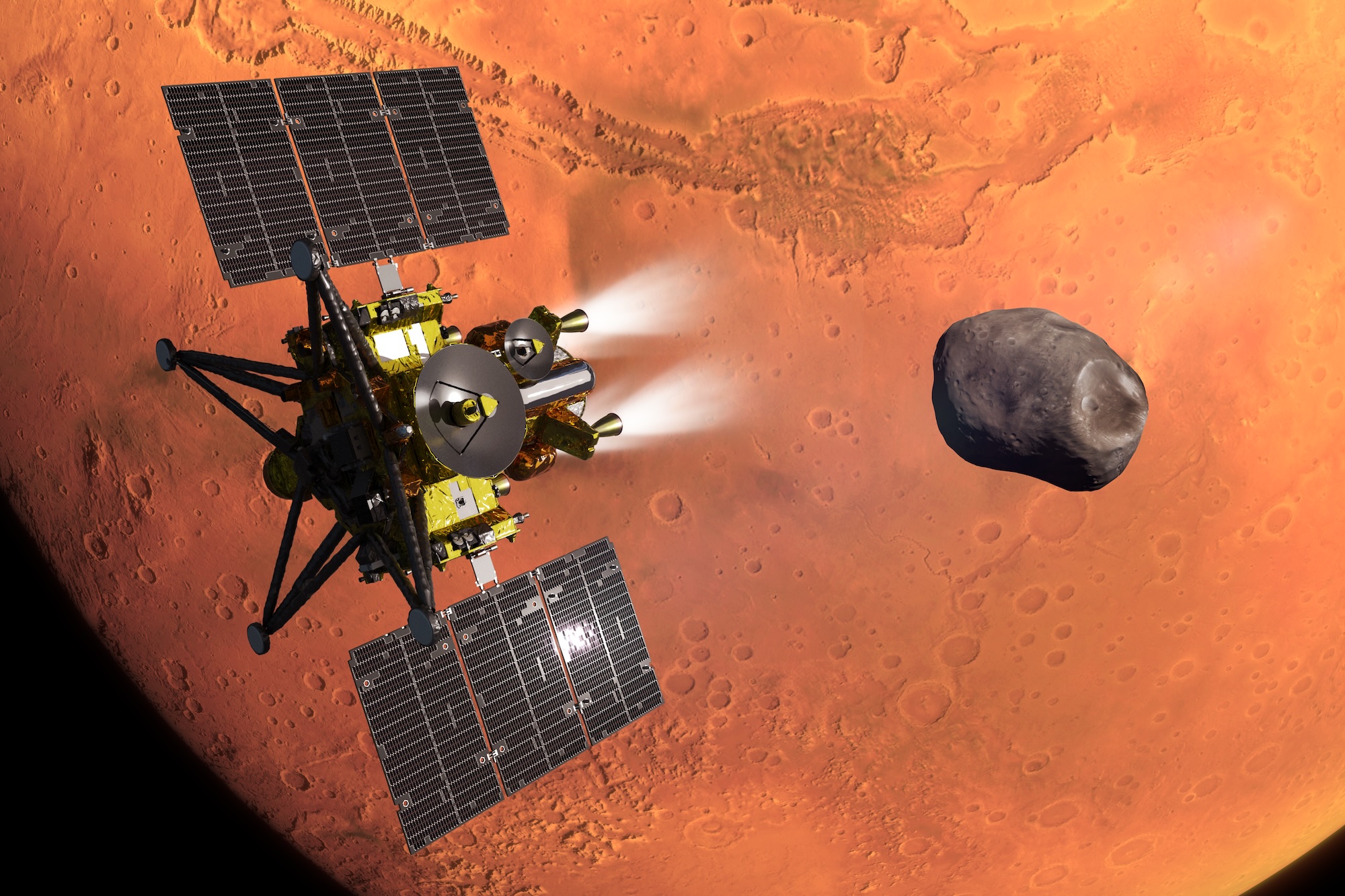
Upon arrival in August 2027, MMX will spend around three years examining Mars and its moons. Because Phobos’s gravity is too weak to allow a stable orbit, the spacecraft will operate in a unique quasi-satellite orbit around Mars, enabling close maneuvers near Phobos. The French-German Idefix rover, sized like a large shoebox, will deploy onto Phobos to traverse its rugged terrain for up to 100 days, conducting in situ scientific investigations.
The mission’s critical sample-collection phase will occur in late 2028 or 2029, when MMX attempts one or two landings on Phobos. The spacecraft’s landing gear is designed to handle the moon’s weak and uneven gravity to avoid bouncing or tipping. It will use two independent methods to capture surface material: a robotic arm with a coring drill, and a NASA-supplied pneumatic device that fires nitrogen gas to collect loose regolith.
Scientists expect to retrieve at least 10 grams of lunar material. Analysis of these samples on Earth, especially comparing their composition with asteroid and Martian material, will help determine whether Phobos is a captured asteroid or debris from a giant impact on Mars—an enduring question about the moon’s origin. Moreover, since Phobos is close to Mars, the samples may contain particles from Mars’s surface, offering indirect insight into the planet itself.
The mission also aims to inform future human exploration strategies, considering Phobos as a potential staging point for Mars missions. MMX follows previous unsuccessful attempts to sample Phobos, notably Russia’s 2011 Phobos-Grunt mission failure.
Overall, MMX marks a significant step in planetary science and technology, combining international collaboration and advanced engineering to unravel mysteries of the Martian moons and, by extension, the early Solar System’s evolution. JAXA’s mission managers are optimistic about the stable condition of the spacecraft post-launch and the scientific possibilities ahead.

Sources and original reporting
Read the original source ↗
Comments (0)
No comments yet. Start the discussion.
Write a comment
Comments are published after moderation. Your name and comment will be visible publicly. Account