
KDE Marks 30 Years with Plasma 6.8 Release and Transition from X11 to Wayland

Image: Ars Technica · Source
KDE celebrates its 30th anniversary by launching Plasma 6.8 with enhanced features, retiring native X11 support in favor of Wayland, and releasing a documentary about its history.
On its 30th anniversary, KDE has released Plasma 6.8, tagged as the “30th Anniversary Edition,” signaling a significant evolution in the popular Linux desktop environment. This update prepares Plasma for the future by incorporating numerous enhancements while officially retiring native support for the X11 display protocol after 42 years of use. Although X11 sessions can no longer be started in Plasma 6.8, legacy applications relying on X11 will continue to run via the XWayland compatibility layer. KDE apps will also maintain X11 support when run in other desktop environments.
The retirement of X11 from Plasma is part of a broader industry trend towards Wayland, a more modern display server protocol. GNOME, another leading Linux desktop environment, is expected to drop X11 sessions by default in 2025. KDE users wishing to stay on X11 sessions can remain on Plasma 6.7 for the time being.
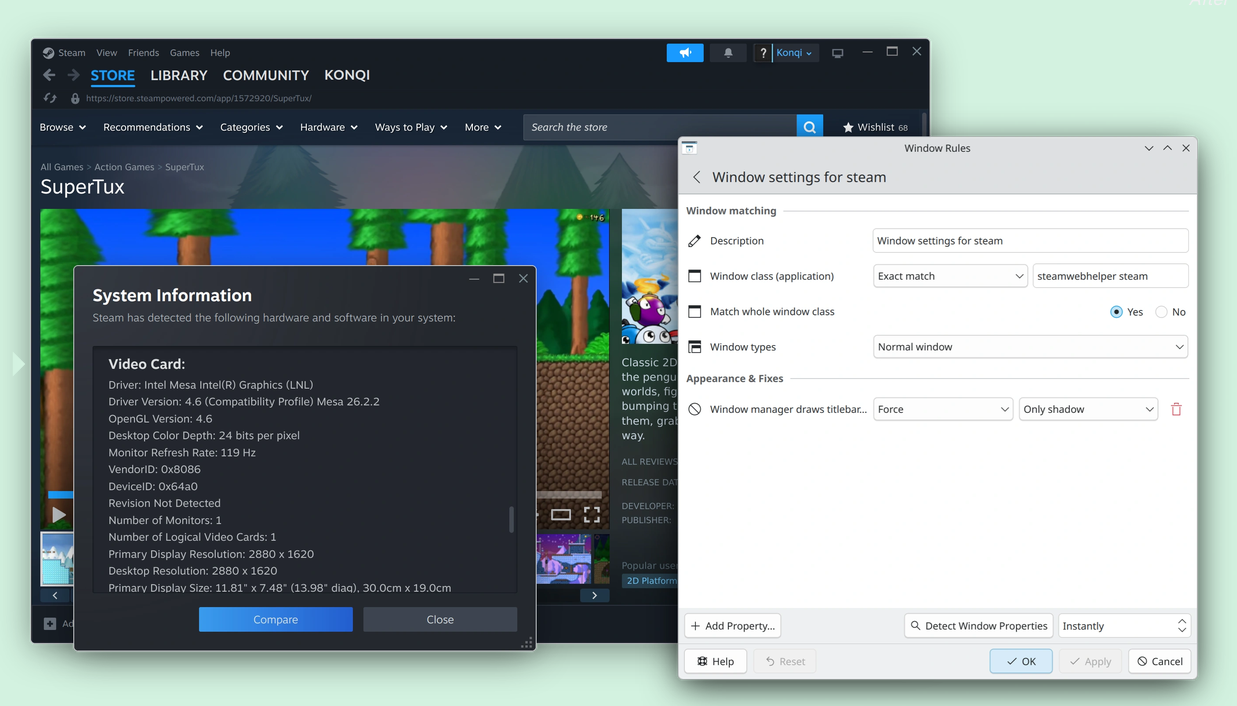
Plasma 6.8 introduces several user-facing improvements, including better support for adding window decorations such as shadows and rounded corners to third-party applications, and a more streamlined Union theming system. Nvidia triple buffering is now enabled by default, improving graphics performance on compatible hardware. The Plasma desktop also integrates Kup, KDE’s backup utility, directly into the system, enabling more accessible backup and restore operations.
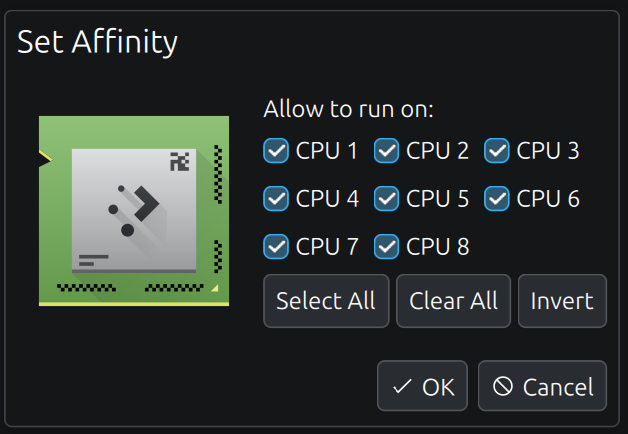
Power users gain new tools with kscreenctl, a command-line utility to flexibly adjust display configurations, and an updated System Monitor that allows pinning individual processes to specific CPU cores from within the graphical interface.
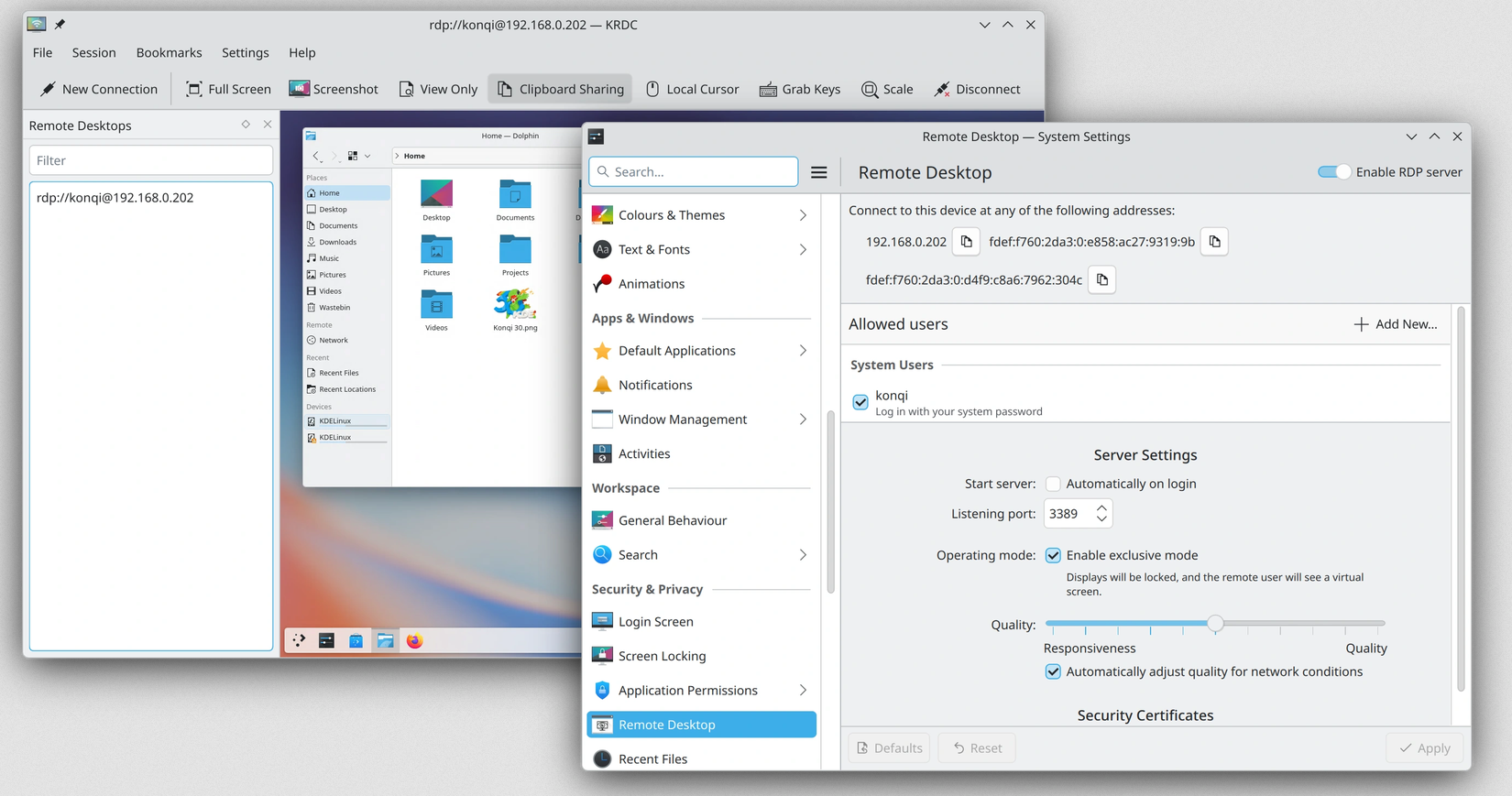
Furthermore, KDE has reworked Plasma’s remote desktop server to better support clients accessing virtual displays over a network. Enhancements include clipboard synchronization between client and server, an "Exclusive Mode" that locks the physical display while letting the client use a matching virtual display, and adaptive remote streaming to improve performance over slower network connections. These features are especially attractive to homelabbers and network administrators who rely on remote system management.
Accompanying the software launch, KDE released "The KDE Documentary — A Story of Free Software Underdogs," which humorously captures the spirit of the community, starting with KDE contributors playfully struggling to define what KDE is. This film marks the milestone by reflecting on KDE’s legacy and its ongoing commitment to free software.
Overall, KDE Plasma 6.8 marks a pivotal moment for the project, embracing Wayland as the default display server while enhancing user experience and system management capabilities, celebrating three decades of open-source innovation and community-driven development.

Sources and original reporting
Read the original source ↗
Comments (0)
No comments yet. Start the discussion.
Write a comment
Comments are published after moderation. Your name and comment will be visible publicly. Account