
Starlink Usage Restrictions Disrupt Ukrainian Military Drone Operations Amid Escalating Russian Attacks
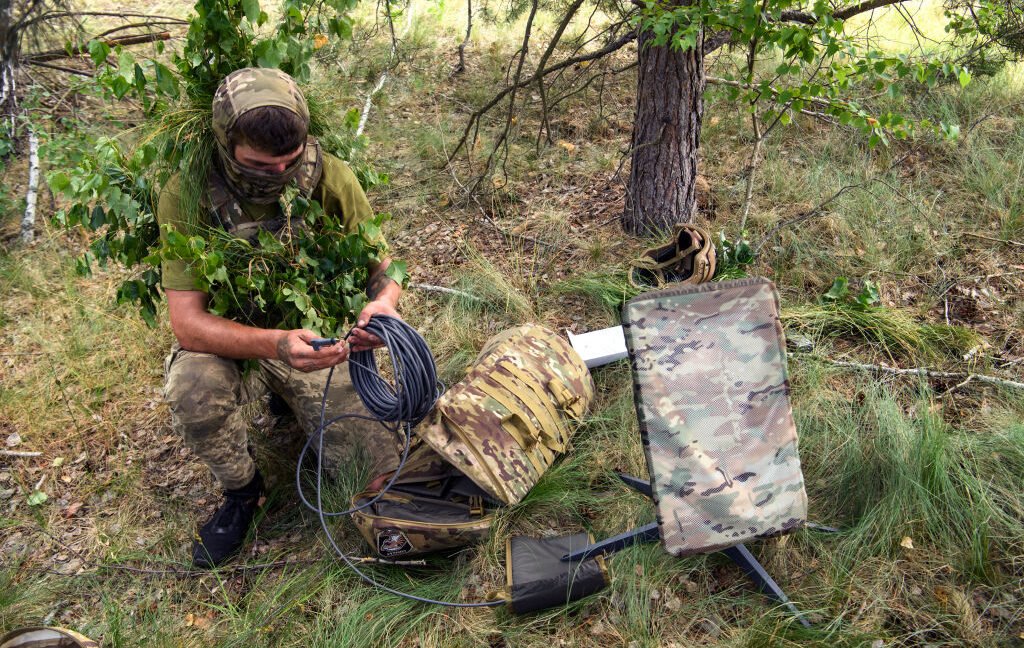
Image: Ars Technica · Source
Ukrainian forces face unexpected Starlink satellite internet speed limits that hamper drone missions, coinciding with unannounced Russian missile strikes that damage critical infrastructure, raising concerns over reliability of US support.
Ukrainian military units relying on Elon Musk’s Starlink satellite internet system have encountered sudden limitations on connection speeds, specifically when drones operate above 160 km/h, which disrupted operations on the frontlines. These restrictions, implemented without prior notice, have directly impacted Ukraine’s long-range drone missions and the control of drone interceptors developed to counter Russia’s newer jet-powered drones. The 7th Rapid Response Corps reported that even at speeds of 110–120 km/h, intermittent connection losses lasting up to 20 seconds complicated drone control, causing some missions to be canceled and increasing vulnerability to Russian counterattacks.
Senior Ukrainian officials describe this throttling as a severe limitation on logistics and middle strikes, a key tactic for targeting Russian supply lines. The nature and timing of these restrictions have led some Ukrainian officials to speculate that these measures might relate to political pressures, possibly at the behest of US officials, following critical public comments from Musk and increased pressure from former US President Donald Trump on Kyiv to halt strikes on Russian oil infrastructure.
Alongside connectivity issues, Ukraine experienced a series of intense Russian missile and drone attacks on its energy infrastructure, notably in Kyiv and Kharkiv, causing widespread power outages affecting over 600,000 people. Ukrainian President Volodymyr Zelenskyy highlighted the lack of advance warnings from partners before the attacks, which destroyed major energy facilities and caused casualties.
Zelenskyy called on the United States and its allies to respond firmly, emphasizing the deliberate scale of these attacks and the critical importance of continued intelligence sharing and support. Meanwhile, the White House and SpaceX have declined to comment on the Starlink speed limit issue.
The disruptions coincided with increased political tension, as former President Trump publicly criticized Ukraine for its drone strikes on Russia’s oil refineries and suggested conditioning support on stopping such attacks. Musk’s social media posts have also drawn scrutiny from European officials, with calls for clarification on whether Starlink services are being used politically. Ukrainian military officials are currently engaged with Western liaison centers such as the one in Wiesbaden, Germany, seeking to resolve the connectivity constraints rapidly.
This situation highlights the complex intersection of technology provision, geopolitical pressures, and battlefield communications reliability during ongoing conflict, underscoring concerns over the consistency of allied support to Ukraine amid escalating hostilities.
Sources and original reporting
Read the original source ↗
Comments (0)
No comments yet. Start the discussion.
Write a comment
Comments are published after moderation. Your name and comment will be visible publicly. Account