
NASA's Venus Missions DAVINCI and VERITAS Accelerate and Secure Launches in Early 2030s

Image: Ars Technica · Source
NASA's Venus missions DAVINCI and VERITAS are back on track with accelerated schedules and secured funding, marking the agency's first missions to Venus in decades and promising advanced exploration of the planet's atmosphere and surface.
After decades in the shadow of Mars and other celestial targets, NASA’s Venus exploration efforts are gaining new momentum, with two missions—DAVINCI and VERITAS—securely scheduled to launch to Venus in the early 2030s. This resurgence follows significant budgetary challenges and delays, but recent developments based on a 2026 update from Ars Technica show that both missions have accelerated timelines and firm support within NASA.
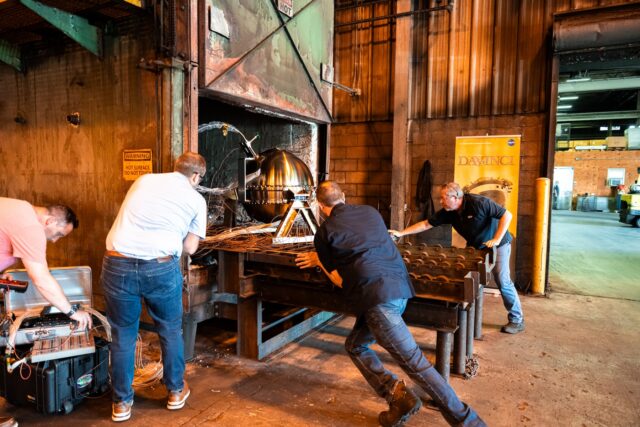
The Deep Atmosphere Venus Investigation of Noble gases, Chemistry, and Imaging (DAVINCI) mission is now planned for a December 2030 launch, a full year ahead of its previous schedule. DAVINCI will deploy a descent probe equipped with a parachute to directly sample Venus’s dense atmosphere and capture the first images of its surface since 1982. The descent is expected to last about an hour, during which all data and images will be transmitted back through the carrier spacecraft before losing radio contact.
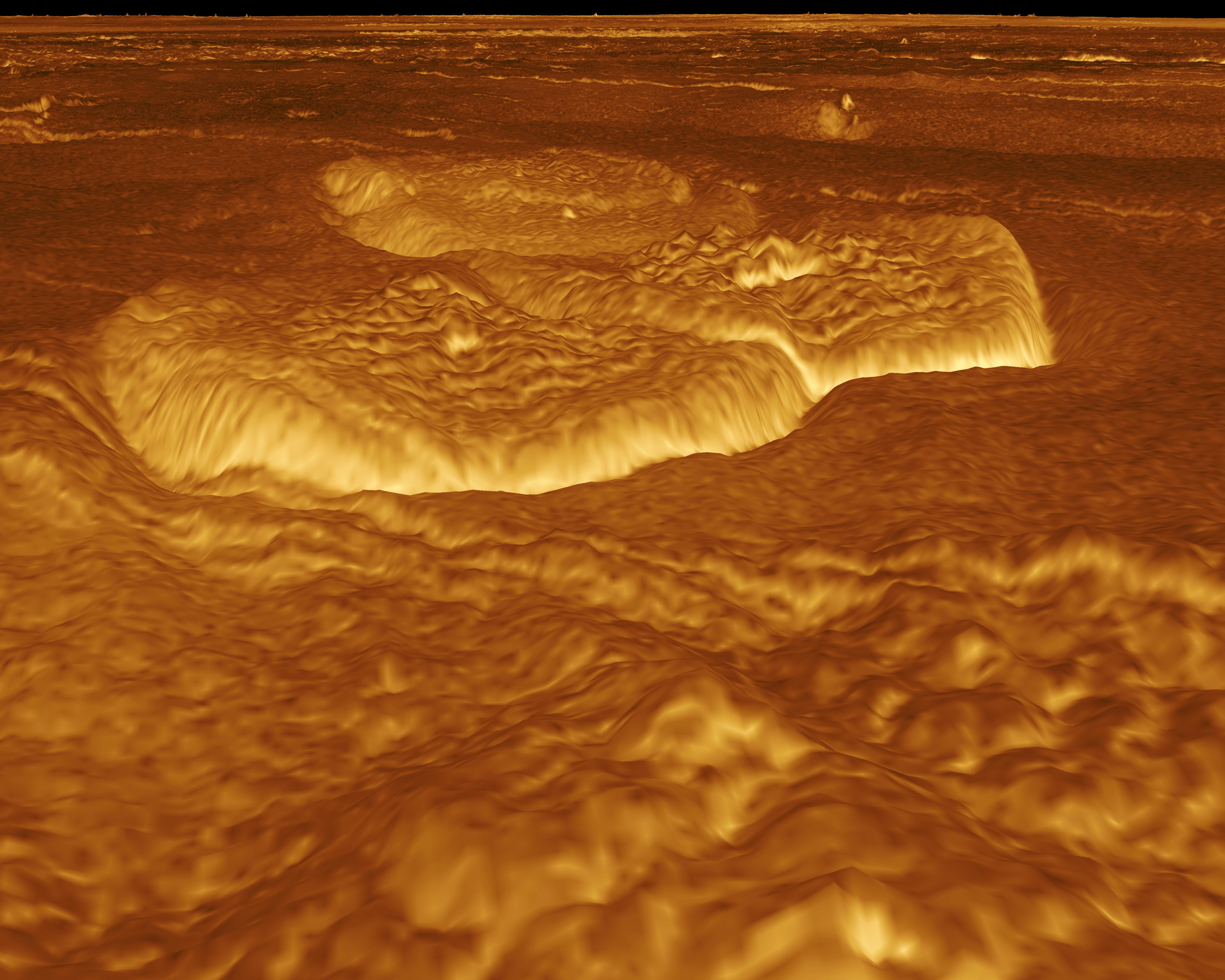
Following DAVINCI, the Venus Emissivity, Radio science, InSAR, Topography, And Spectroscopy (VERITAS) orbiter is scheduled to launch in November 2032. VERITAS aims to build upon the radar mapping legacy of NASA's 1989 Magellan mission by delivering higher resolution surface maps and investigating volcanic activity. The mission will undergo aerobraking on arrival and prioritize detailed topographic and compositional studies of Venus’s surface.
These missions have faced previous uncertainty due to budget constraints and NASA’s participation changes in international collaborations, notably with the European Space Agency’s EnVision orbiter. NASA withdrew from providing a radar instrument for EnVision in 2025, prompting ESA to develop a European-origin radar. However, NASA’s reprioritization has allowed greater resources to be directed towards its own Venus missions.
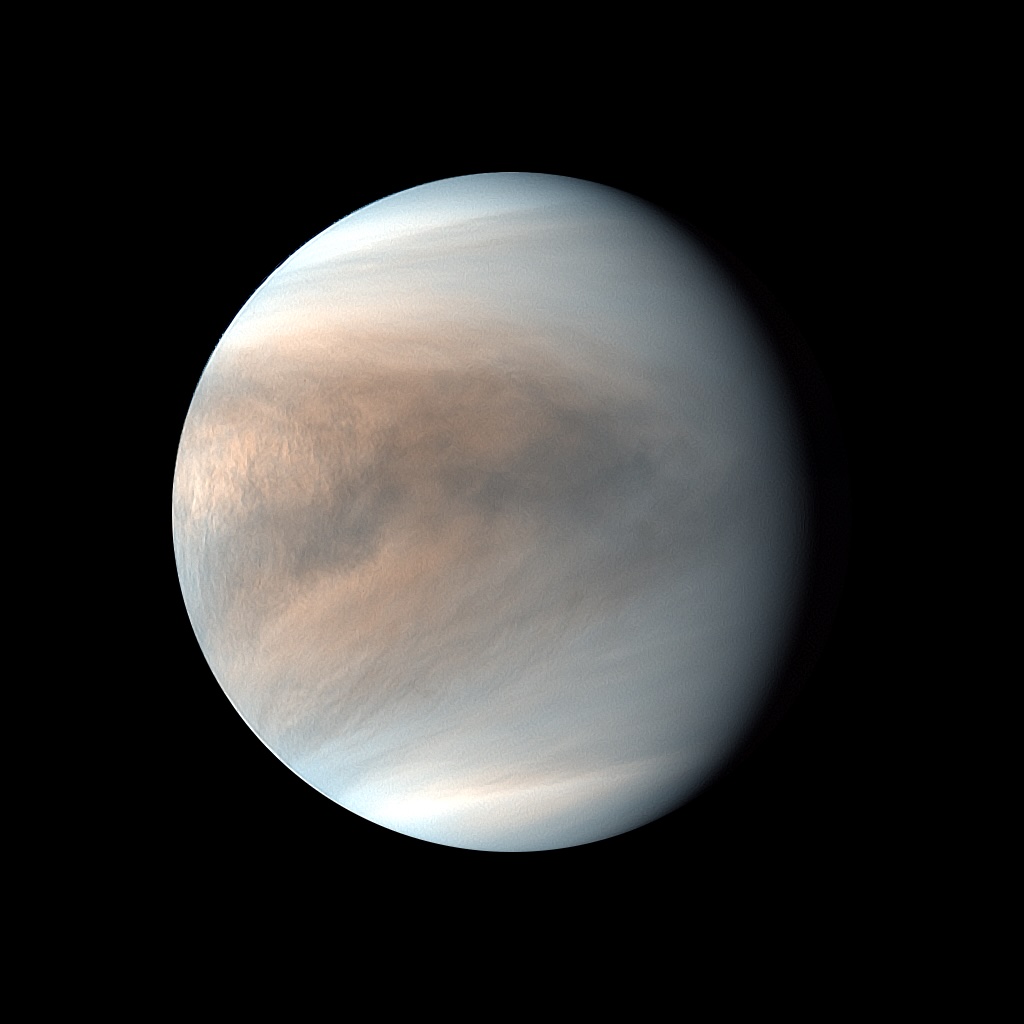
Venus holds a unique position as Earth’s closest planetary neighbor and shares similar size and mass, but its extreme atmospheric conditions have made exploration challenging. Questions remain about its climate history, the causes and nature of its runaway greenhouse effect, and its geological processes.
NASA’s renewed Venus exploration marks a significant shift as Venus had received limited attention over the past generation compared to Mars and icy moons. The alignment of the missions’ launch windows and improved instrumentation is expected to significantly advance our understanding of Venus’s evolution and current state.
Advocacy efforts from the planetary science community and organizations like the Venus Exploration Analysis Group (VEXAG) and The Planetary Society have been instrumental in maintaining support for these missions. As teams ramp up staffing and finalize mission preparations, the next decade could see a vibrant era of Venus exploration, with the potential to answer longstanding planetary science mysteries about Earth’s enigmatic sister planet.

Sources and original reporting
Read the original source ↗
Comments (0)
No comments yet. Start the discussion.
Write a comment
Comments are published after moderation. Your name and comment will be visible publicly. Account