
Ukraine Executes Historic Drone Evacuation of Wounded Soldier from Battlefield
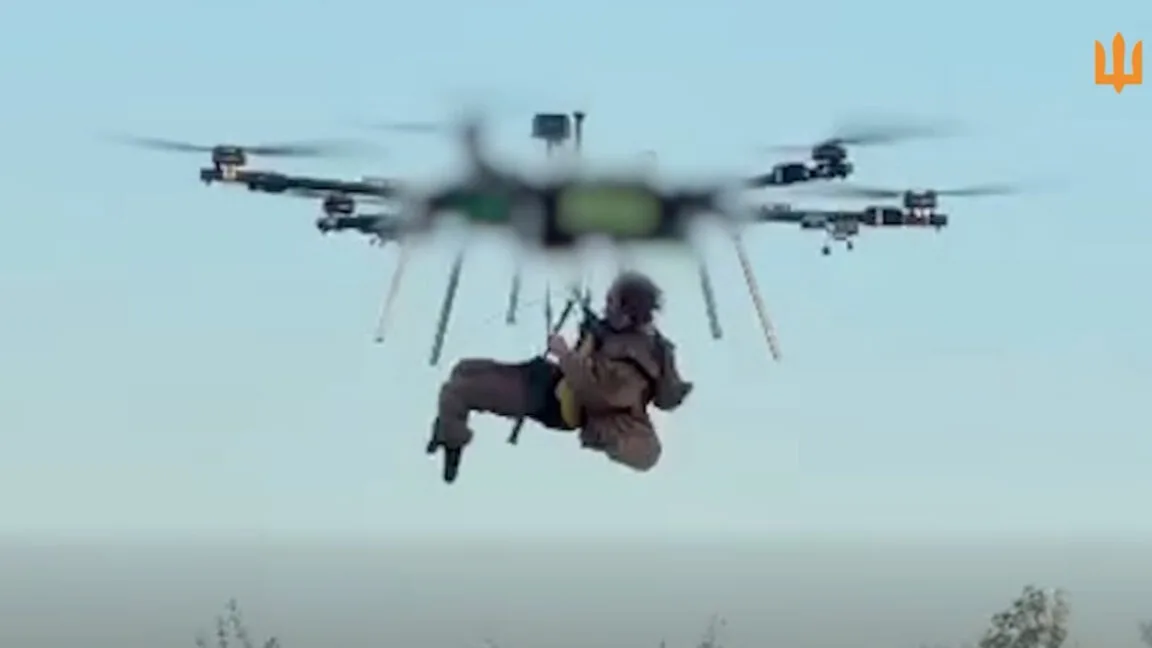
Image: Ars Technica · Source
Ukraine successfully used a heavy hexacopter drone to evacuate a wounded soldier from a frontline position, marking a pioneering use of aerial drones for casualty evacuation under dangerous conditions.
Ukraine has demonstrated a significant advancement in battlefield casualty evacuation by successfully using a heavy hexacopter drone to rescue a wounded soldier from a frontline area where traditional rescue was too risky. The operation was shared publicly on October 19, 2026, by the Ukrainian Army and involved a drone model called the Heavy Shot AYUDAG 6, developed by the Ukrainian company Gurzuf Defence.
The mission took place at an undisclosed frontline location threatened by Russian drones and landmines, making ground or robot-based rescue infeasible. The injured soldier, from Ukraine’s 30th separate mechanized brigade, secured himself into a special harness attached beneath the hexacopter, which then flew him nearly 39 miles (62 kilometers) to safety in one hour and 14 minutes.
According to Gurzuf Defence, this drone can carry up to 200 pounds (90 kilograms), providing a new option for rapid and potentially safer evacuation of wounded soldiers from hazardous combat zones. The programmer known as Napalm, from the 92nd separate assault brigade's unmanned systems unit, described the event as historic and a precursor to more systematic drone evacuations in the future.
This milestone follows another development from a different Ukrainian company, SkyFall, which introduced the StarGate hexacopter drone equipped with a stretcher-based container designed for frontline casualty evacuation. The StarGate drone also integrates satellite communication via Starlink and proprietary backup systems alongside onboard AI to maintain control even during signal loss, which is crucial given recent limitations on Starlink services in Ukraine.
Ukraine’s practical deployment of casualty evacuation drones contrasts with prolonged U.S. military research programs that have yet to implement similar systems operationally. The ongoing conflict in Ukraine has highlighted the challenges of evacuating wounded personnel amid persistent enemy drone threats and rough terrain, conditions that often delay or prevent rescue, sometimes resulting in casualties or missing soldiers.
While these drone rescues carry inherent risks and should be used judiciously, experts note that they offer a vital alternative when conventional methods are too dangerous or impossible. This innovation may influence future military medical evacuation tactics worldwide, particularly in contested and high-risk battlefields where aerial superiority cannot be guaranteed and ground routes are perilous.

Sources and original reporting
Read the original source ↗
Comments (0)
No comments yet. Start the discussion.
Write a comment
Comments are published after moderation. Your name and comment will be visible publicly. Account