
New Medium-Lift Rockets Poised to Replace Falcon 9 in US Space Race

Image: Ars Technica · Source
With SpaceX's Falcon 9 exiting commercial service by 2028, several U.S. companies are developing new medium-lift rockets to fill the gap, facing technical challenges and tight timelines.
The United States is on the verge of introducing a new generation of medium-lift rockets—vehicles capable of lifting 2 to 20 metric tons into orbit—marking a significant shift since the last debut of such a rocket, Orbital Sciences' Antares, over a decade ago. The Antares rocket, which relied on refurbished Soviet-era engines and had a Ukrainian-manufactured core, ultimately faced reliability issues, highlighted by a catastrophic failure in 2014.
Today, several startups and aerospace firms are racing to bring newer medium-lift vehicles online, all employing in-house developed engines and modern design philosophies inspired by SpaceX’s Falcon 9. Since SpaceX plans to withdraw Falcon 9 from commercial launches around 2028, satellite operators face uncertainty in launch availability, creating demand for these new rockets.
Stoke Space’s Nova rocket, a fully reusable design with a 7-ton expendable or 3-ton reusable capacity, is the smallest and arguably the most ambitious. It features novel reusable technologies, including a unique upper stage heat shield and full-flow staged combustion engines, an advanced first-engine design. With factory and launch infrastructure progressing, Stoke targets an optimistic debut around mid-2027.
Relativity Space’s Terran R, a larger vehicle advertised at 33.5 tons expendable capacity, is expected to deliver closer to 20 tons with reusability in practice. Following an injection of capital from Eric Schmidt, Relativity has advanced engine testing and second stage integration. Its projected launch window is roughly two months after Nova’s, anticipating late 2027.
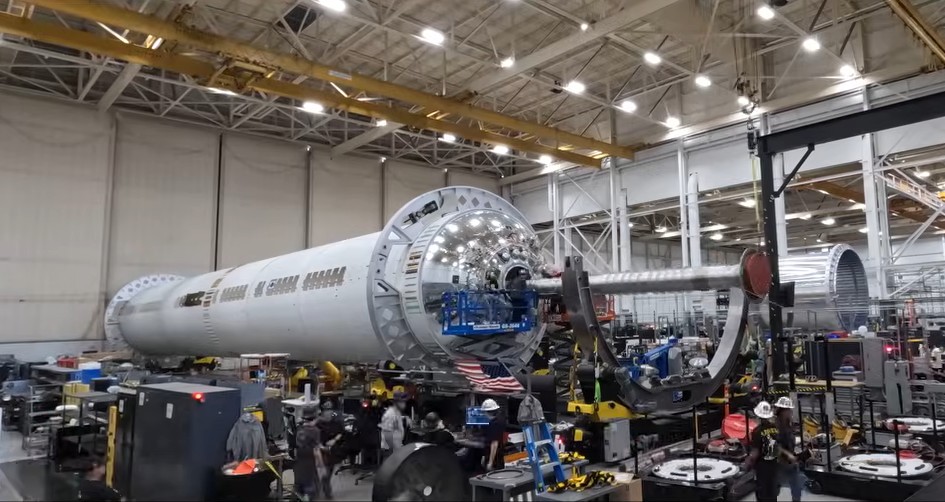
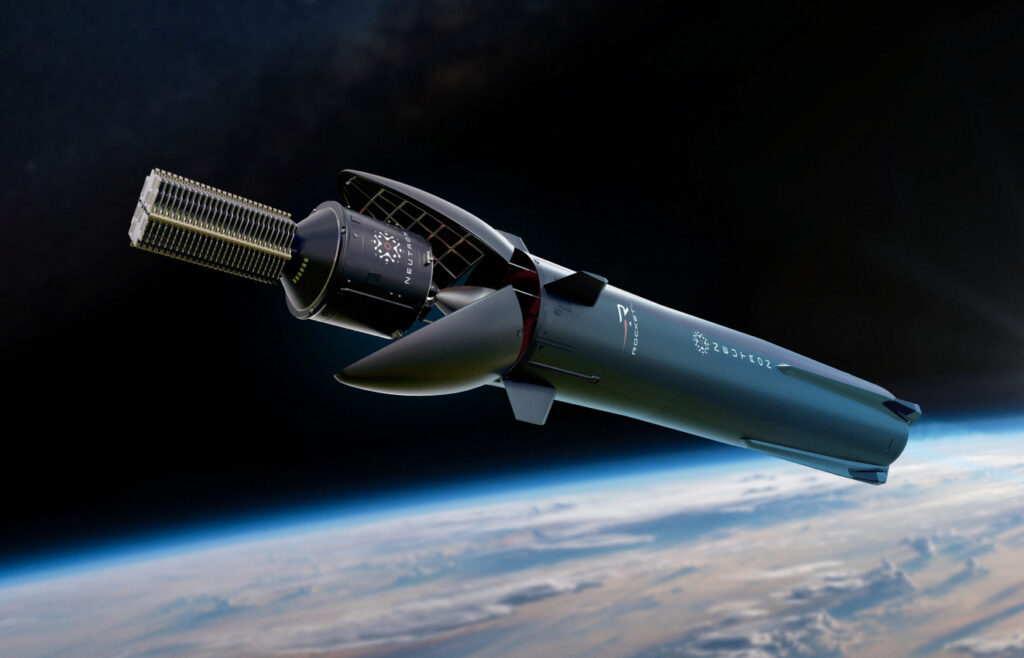
Rocket Lab’s Neutron rocket fills the gap between Nova and Terran R, offering 8.5 to 15 tons of lift depending on configuration. Neutron has faced material challenges with its large carbon-composite structures and engine development delays, setting a more cautious launch estimate for early 2028.
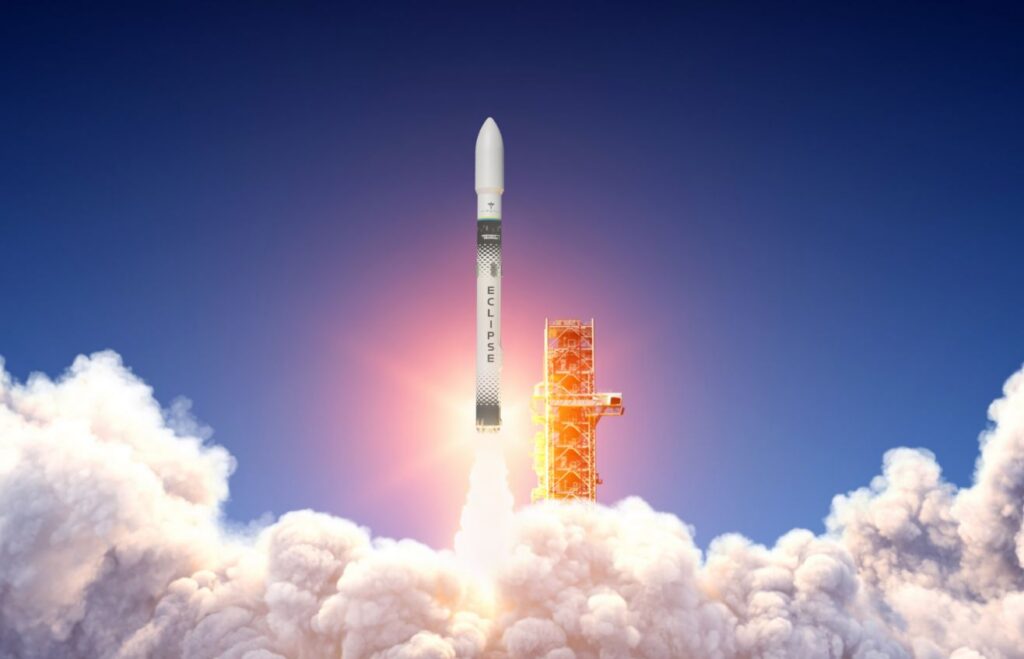
Lastly, the Eclipse rocket, a collaboration between Northrop Grumman and Firefly Aerospace, seeks to revive medium-lift capacity with indigenous engines and composite structures. However, the partnership presents integration challenges and limited public updates suggest a later debut not before 2029.
This upcoming suite of medium-lift rockets reflects a significant evolution in American launch capability, moving away from reliance on foreign components and toward advanced, reusable hardware. The stakes are high as satellite operators await reliable options for the post-Falcon 9 era, and these companies must overcome technical hurdles and schedule risks to secure their place in the growing commercial space market.


Sources and original reporting
Read the original source ↗
Comments (0)
No comments yet. Start the discussion.
Write a comment
Comments are published after moderation. Your name and comment will be visible publicly. Account