
Health Apps Turn to Blood Tests to Predict Longevity, But Limits Remain
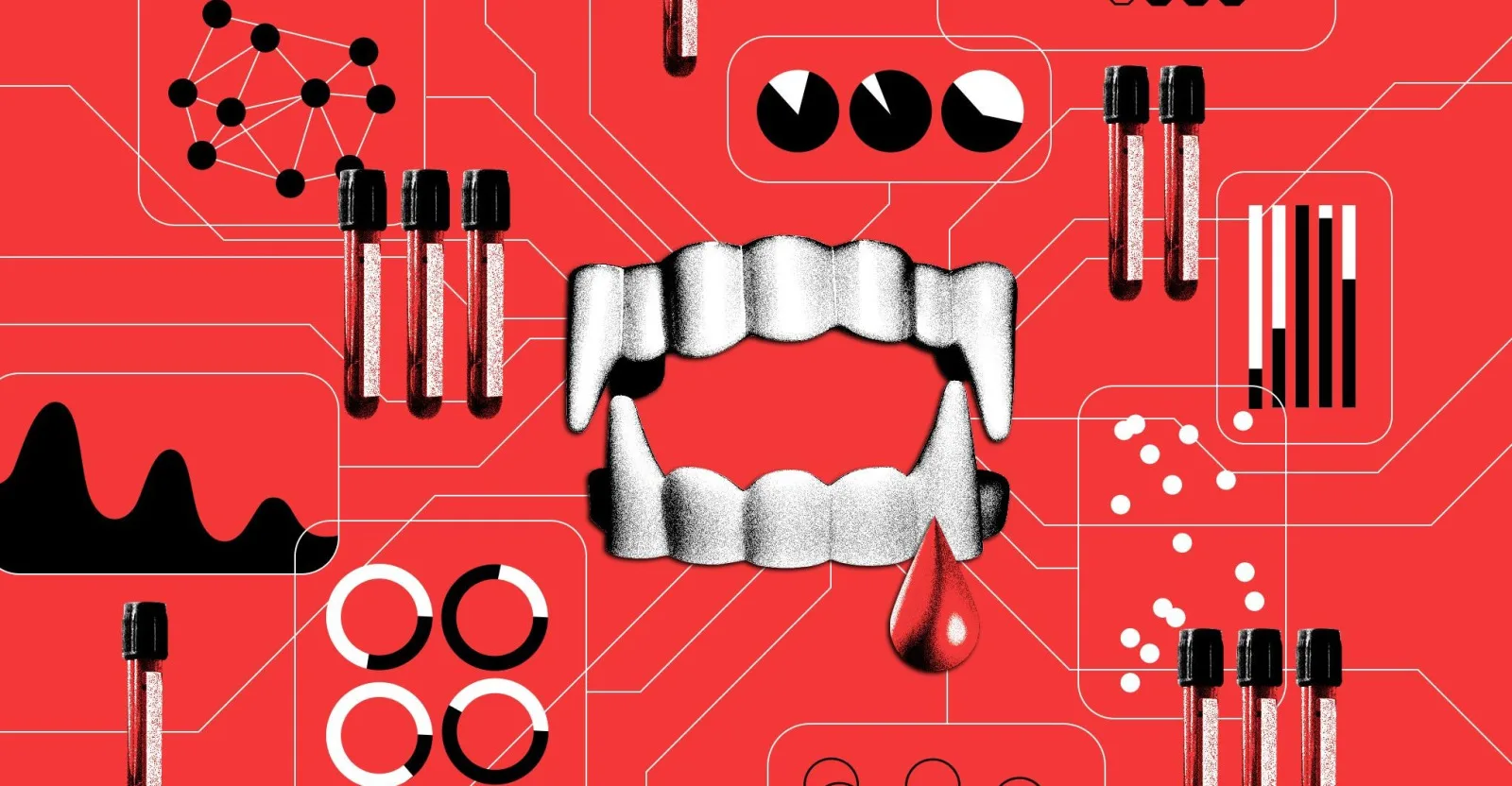
Image: They want your blood · Source
Health apps like Death Clock now incorporate blood testing and other health data to estimate lifespan and suggest lifestyle changes, promising personalized insights. Yet, experts and user experiences reveal biological and socioeconomic limits in predicting longevity.
Recent health technology has increasingly integrated blood testing into their services, leveraging biometric data to provide personalized health insights, including longevity predictions. The app Death Clock, for example, offers subscribers a blood panel alongside various health monitoring recommendations, claiming to estimate users’ expected lifespan based on current health metrics.
As reported by The Verge, users can submit multiple blood samples and receive guidance on lifestyle adjustments, additional diagnostic tests, and continuous monitoring devices such as smart scales and glucose monitors. Death Clock's model aims to transform raw biomarker data into actionable advice, envisioning itself as a preventative care alternative for everyday health management.
However, medical professionals and users express caution regarding such approaches. Excessive testing, especially among asymptomatic individuals, may lead to false positives and unnecessary anxiety. In the reported experience of a health reviewer, multiple apps analyzed her blood results but sometimes provided inconsistent interpretations, highlighting the challenge of translating complex biomarker data into clear recommendations.
Moreover, experts note that longevity is influenced heavily by socioeconomic factors, which blood data cannot reveal. The story of a family member illustrates that critical health conditions like ALS are not detectable through blood tests, underscoring the limitations of purely biological data in predicting health outcomes.
Developers acknowledge these constraints, positioning their apps as supplements—not replacements—to traditional healthcare. Their tools focus on encouraging healthier lifestyles, such as improved diet, sleep, and exercise, with the hope of extending healthy lifespan rather than guaranteeing it.
The rise of partnerships between major health platforms and diagnostic labs reflects a trend toward collecting more personal health data, but also raises questions about the balance of data privacy, benefit to users, and medical validity.
Ultimately, while blood-based health tech applications offer intriguing possibilities for personalized wellness management, they are not definitive answers to complex questions about mortality and quality of life. Users and healthcare providers must approach these tools critically and as part of a broader health strategy rather than sole determinants of health futures.


Sources and original reporting
Read the original source ↗
Comments (0)
No comments yet. Start the discussion.
Write a comment
Comments are published after moderation. Your name and comment will be visible publicly. Account