
Court Blocks EPA's Attempt to Dismiss Data Center Pollution Lawsuit Against Elon Musk's SpaceXAI
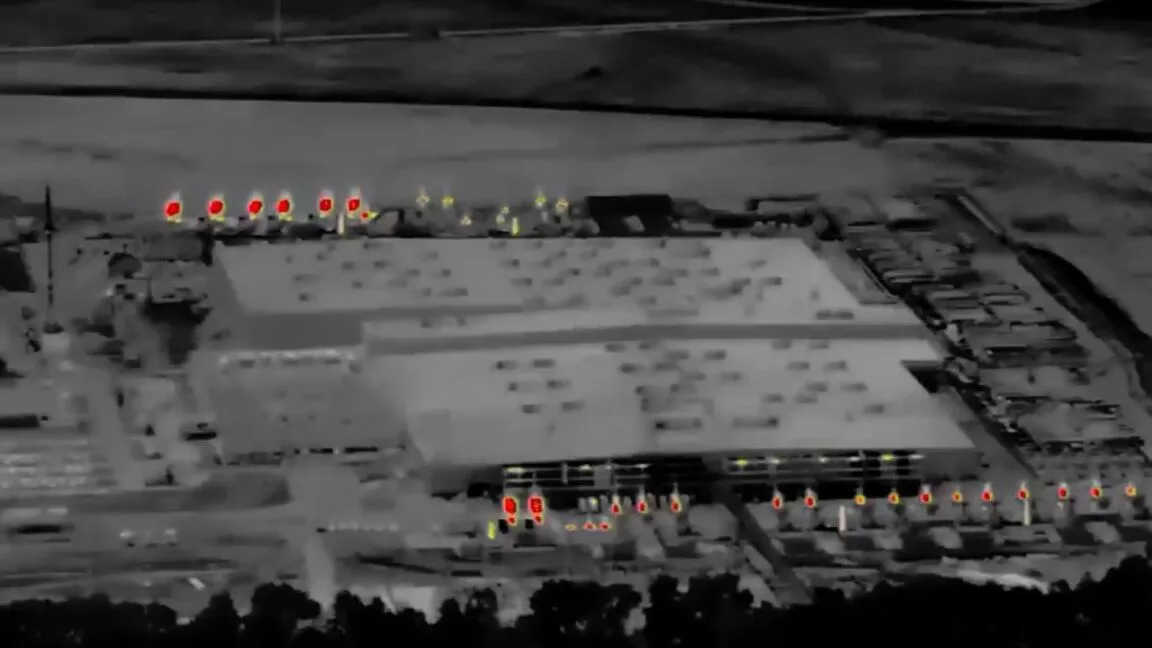
Image: Ars Technica · Source
A federal judge ruled that the EPA cannot unilaterally dismiss citizen lawsuits under the Clean Air Act, denying a Trump-era EPA attempt to block a pollution suit against Elon Musk’s SpaceXAI data center.
A recent federal court decision has rejected a controversial argument advanced by the Trump administration’s Environmental Protection Agency (EPA) that it can unilaterally dismiss citizen lawsuits alleging pollution violations. The case centers on a lawsuit brought by the NAACP against SpaceXAI, the merged entity involving Elon Musk’s AI company, over alleged unpermitted gas turbine emissions at its large Colossus data center in Memphis, Tennessee. The NAACP’s suit seeks injunctive relief requiring adoption of the best pollution control technology and imposes civil penalties for violations, highlighting concerns about elevated pollution near predominantly Black neighborhoods.
In an effort to block the lawsuit, the Trump EPA intervened, claiming the agency has the authority under the Clean Air Act (CAA) to dismiss suits at its discretion if enforcement is deemed not in the public interest. This was tied to the administration’s AI agenda aimed at rapidly expanding data center capacity, which the EPA argued should not be impeded by legal challenges enforcing clean air standards. However, U.S. District Judge Debra Brown strongly rejected this reading, ruling that the CAA does not provide the EPA Administrator with the power to unilaterally dismiss citizen suits. According to her order, allowing such authority would give the executive branch unchecked power to block any pollution lawsuit, undermining legal protections for affected communities.
Judge Brown also noted that the lawsuit fulfills an important role where the government opts not to enforce environmental laws. She referenced Congressional history showing that earlier proposals to grant the EPA dismissal authority were not adopted, supporting the interpretation that citizen suits function independently of EPA enforcement decisions. Brown criticized the Trump EPA’s position as lacking legal basis and noted that constitutional arguments presented to justify broad dismissal powers did not identify ambiguities in the CAA warranting such expansive executive control.
The ruling was praised by Earthjustice enforcement director Laura Thoms, who condemned the Trump administration’s attempt to shield SpaceXAI from accountability and stressed ongoing efforts to hold the company responsible for illegal pollution. The case has broader implications for how citizen litigation can serve as a check on the AI industry’s growing reliance on unpermitted gas turbines to power high-demand data centers.
Interestingly, although Judge Brown denied the motion to dismiss the lawsuit, she left some procedural aspects open, allowing the government to intervene in the case on other grounds if it clarifies its position by a specified deadline. Meanwhile, the Trump administration prematurely appealed the ruling, a move the appeals court refused to stay, underscoring the complexity and ongoing dynamics of this legal battle.
This decision reinforces the principle that citizen suits under the Clean Air Act remain a vital tool for communities seeking to prevent illegal pollution when government enforcement is lacking, especially in environmental justice contexts. It sets a precedent limiting executive overreach and upholds access to legal recourse against corporate polluters like SpaceXAI in the rapidly expanding tech infrastructure sector.


Sources and original reporting
Read the original source ↗
Comments (0)
No comments yet. Start the discussion.
Write a comment
Comments are published after moderation. Your name and comment will be visible publicly. Account