
Researchers Recreate Ancient Lycurgus Cup Glass Recipe and Optical Effects
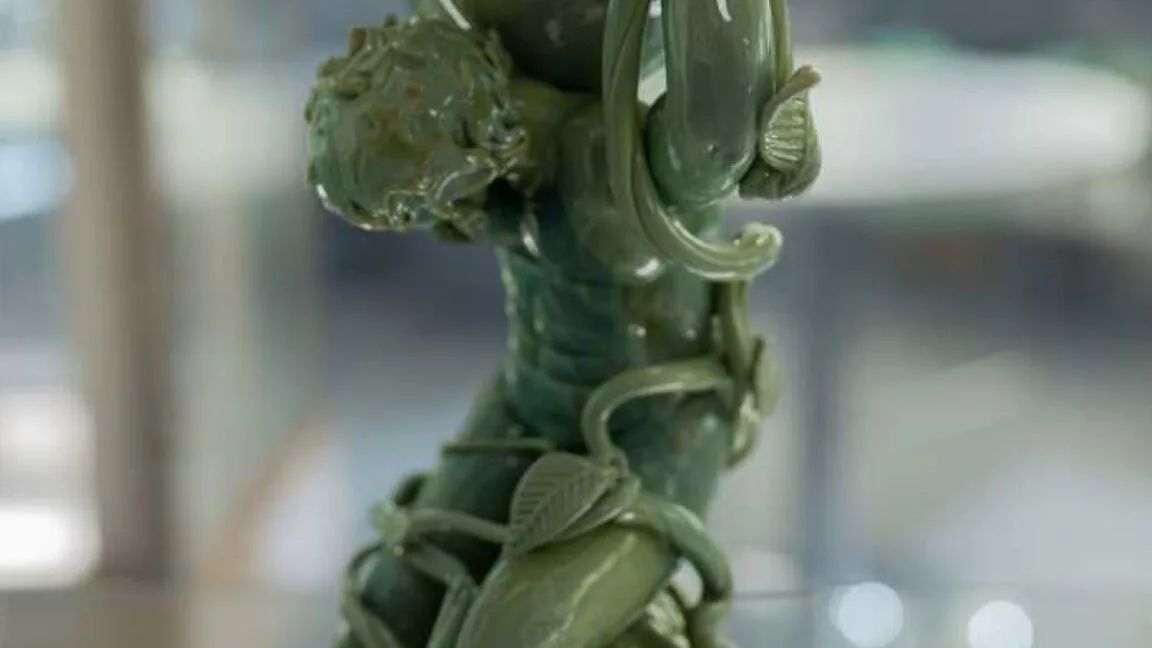
Image: Ars Technica · Source
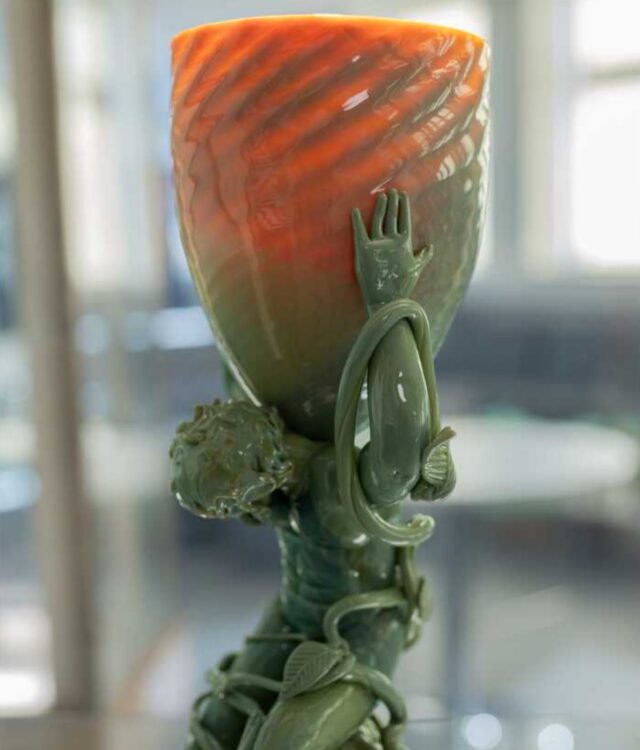
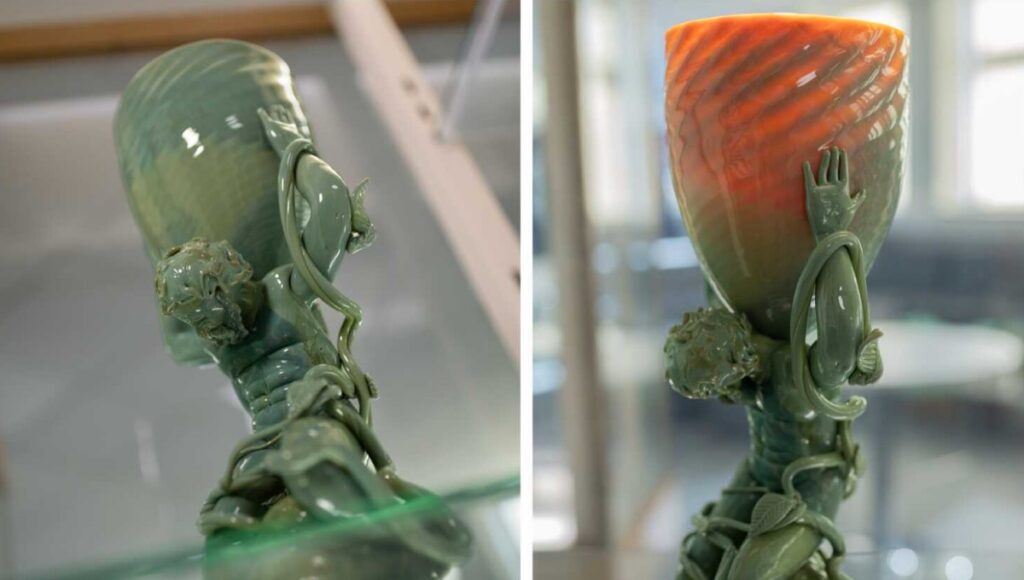
University of Sheffield scientists have successfully replicated the 1,600-year-old dichroic glass recipe of the Lycurgus Cup, producing a modern sculpture that shifts color from green to red depending on lighting.
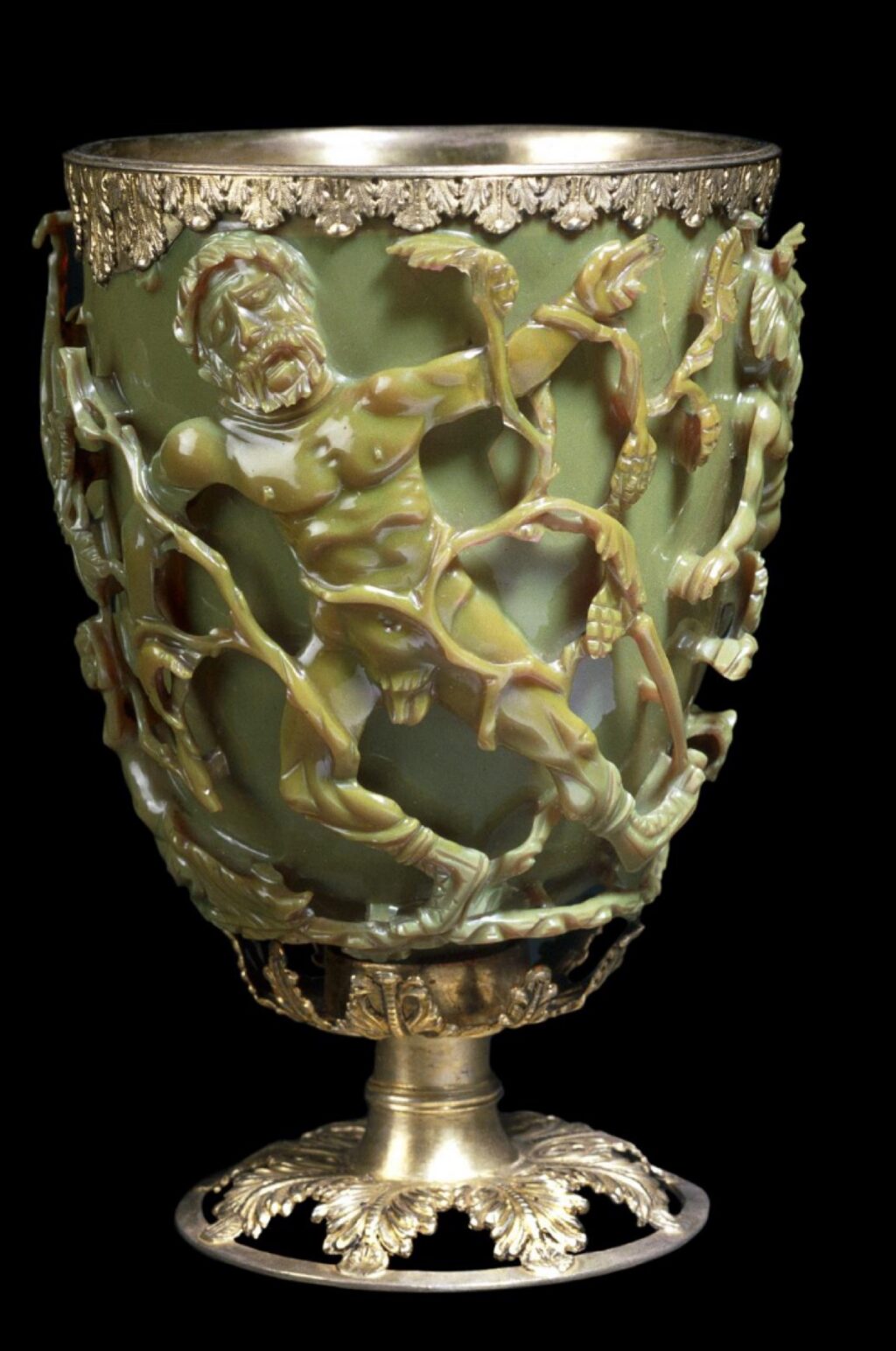
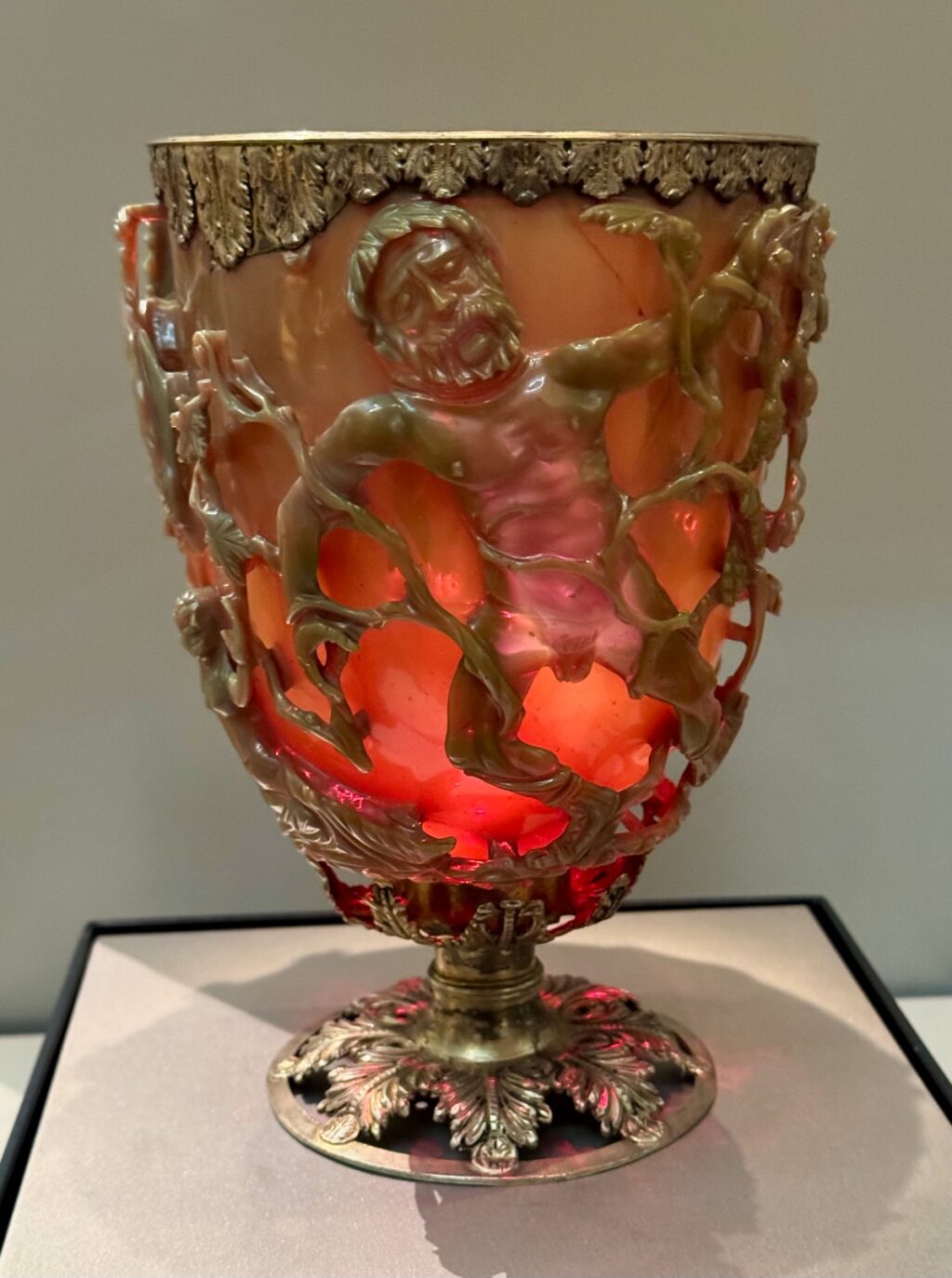
The Lycurgus Cup, a remarkable Roman artifact dating back to around 400 CE, is famed for its unique dichroic glass that changes color based on lighting direction—appearing green when lit from the front and deep red when backlit. This optical phenomenon, mysterious for centuries, was attributed in 2007 to embedded nanoparticles of gold and silver within the glass. These nanoparticles affect how electrons vibrate in response to light, resulting in color shifts dependent on the observer's viewpoint.
Building upon this understanding, researchers at the University of Sheffield, including Lisa Hollands and Roman glass expert Caroline Jackson, undertook extensive experimentation to rediscover a consistent, reproducible recipe for this ancient glass. They investigated numerous variables such as furnace types, materials, oxygen conditions, and even introduced sugar into their mixtures to mimic the original Roman techniques.
Their efforts culminated in creating glass exhibiting the distinctive dichroic effect—shifting between green reflected light and red transmitted light—closely matching that of the ancient cup. This replicated glass was first showcased at LightFest as part of a UK project focused on developing new photonic materials for sustainable technologies.
The project subsequently commissioned UK glass artist Elliott Walker, winner of Netflix’s Blown Away competition, to craft a contemporary sculpture honoring the Lycurgus Cup. Walker designed a piece blending classical forms and storytelling elements from the original artifact, incorporating blown-glass techniques to highlight the striking dichroic properties.
The new sculpture will be publicly displayed at the University of Sheffield’s Millennium Gallery during the Festival of the Mind and then will be permanently housed at the university’s Turner Museum of Glass. This achievement not only revitalizes an ancient Roman art form but also advances modern material science by deepening understanding of nanoparticle-infused glass and its interaction with light.


Sources and original reporting
Read the original source ↗
Comments (0)
No comments yet. Start the discussion.
Write a comment
Comments are published after moderation. Your name and comment will be visible publicly. Account