
Trump Labels Foreign-Made Industrial Robots a National Security Threat, Threatens Tariffs
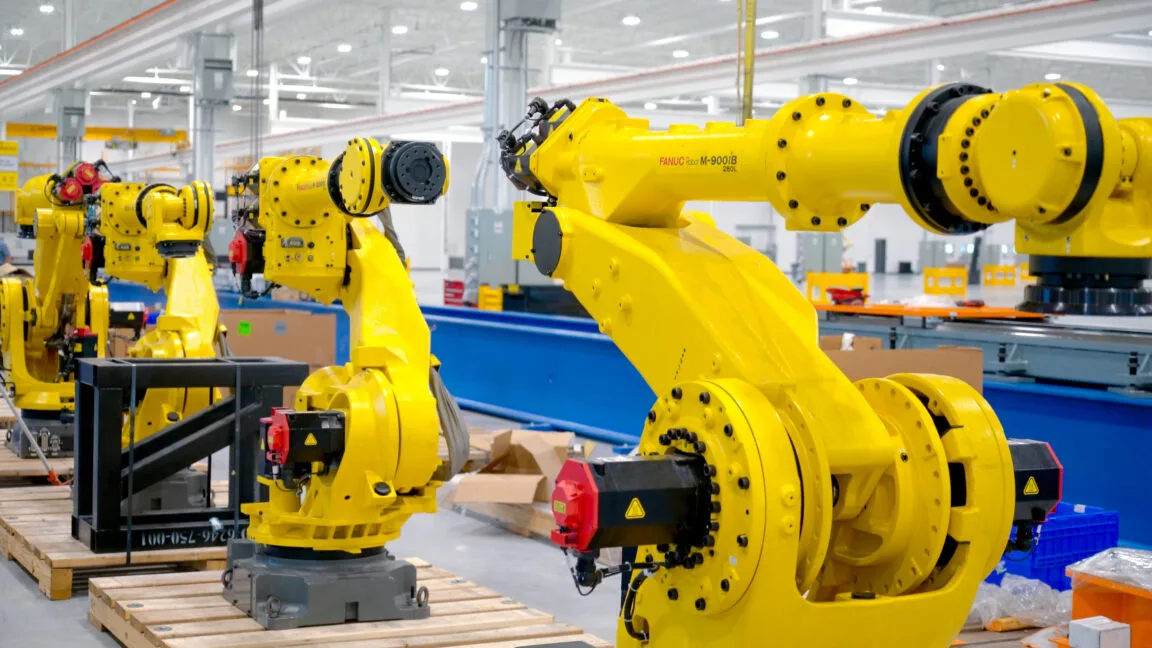
Image: Ars Technica · Source
President Donald Trump has declared imports of foreign-made factory robots a national security risk, ordering new trade talks and warning of tariffs if agreements are not reached within 180 days.
In a presidential proclamation issued on October 28, 2026, President Donald Trump declared imports of foreign-made industrial robots a threat to U.S. national security. This move initiates negotiations with trading partners aimed at adjusting imports of robotics, industrial machinery, and components critical to American manufacturing and defense sectors. The proclamation warns that if new agreements are not reached within 180 days, the administration may impose tariffs, duties, quotas, or fees on such imports.
The proclamation is based on an investigation led by U.S. Secretary of Commerce Howard Lutnick, which found that these imports pose risks to the U.S. industrial base and jeopardize long-term competitiveness in a sector vital to national security. It also highlighted "unique security and safety risks," including significant cybersecurity vulnerabilities that could have severe consequences for the United States.
Industrial robots targeted in this proclamation include those essential for manufacturing military weapons systems and supporting key infrastructure sectors. Major U.S. corporations such as General Motors, Ford, Tesla, Boeing, and Lockheed Martin depend heavily on foreign-made industrial robots for their production processes.
The U.S. is currently the second-largest market globally for industrial robot installations, with nearly 38,500 new units added in 2025. However, American companies do not produce enough industrial robots domestically to meet national security needs and rely predominantly on foreign imports from leading robotics companies headquartered in Japan, Switzerland, and Germany, including FANUC, ABB, Yaskawa, and KUKA.
This declaration follows previous actions by the Federal Communications Commission in July 2026, when certain types of foreign-made robots were banned from the U.S. market due to security concerns. However, that ban exempted industrial robotic arms and fixed robots used in factories and logistics.
While tariffs would increase costs for American manufacturers that rely on imported industrial robots, this approach stops short of an outright import ban. The proclamation acknowledges the challenge, noting that even major U.S. companies like Amazon continue to use some foreign-made robots amid their efforts to develop proprietary technology.
The administration’s next steps will depend on outcomes from trade negotiations over the following months, with the possibility of imposing economic restrictions on robotic imports if agreements are not satisfactory. This initiative represents a significant shift in U.S. trade and industrial policy, reflecting growing concerns about supply chain security and technological sovereignty in critical manufacturing sectors.

Sources and original reporting
Read the original source ↗
Comments (0)
No comments yet. Start the discussion.
Write a comment
Comments are published after moderation. Your name and comment will be visible publicly. Account