
SpaceX Plans Access to 80,000 U.S. Cell Sites to Support Starlink Mobile Network
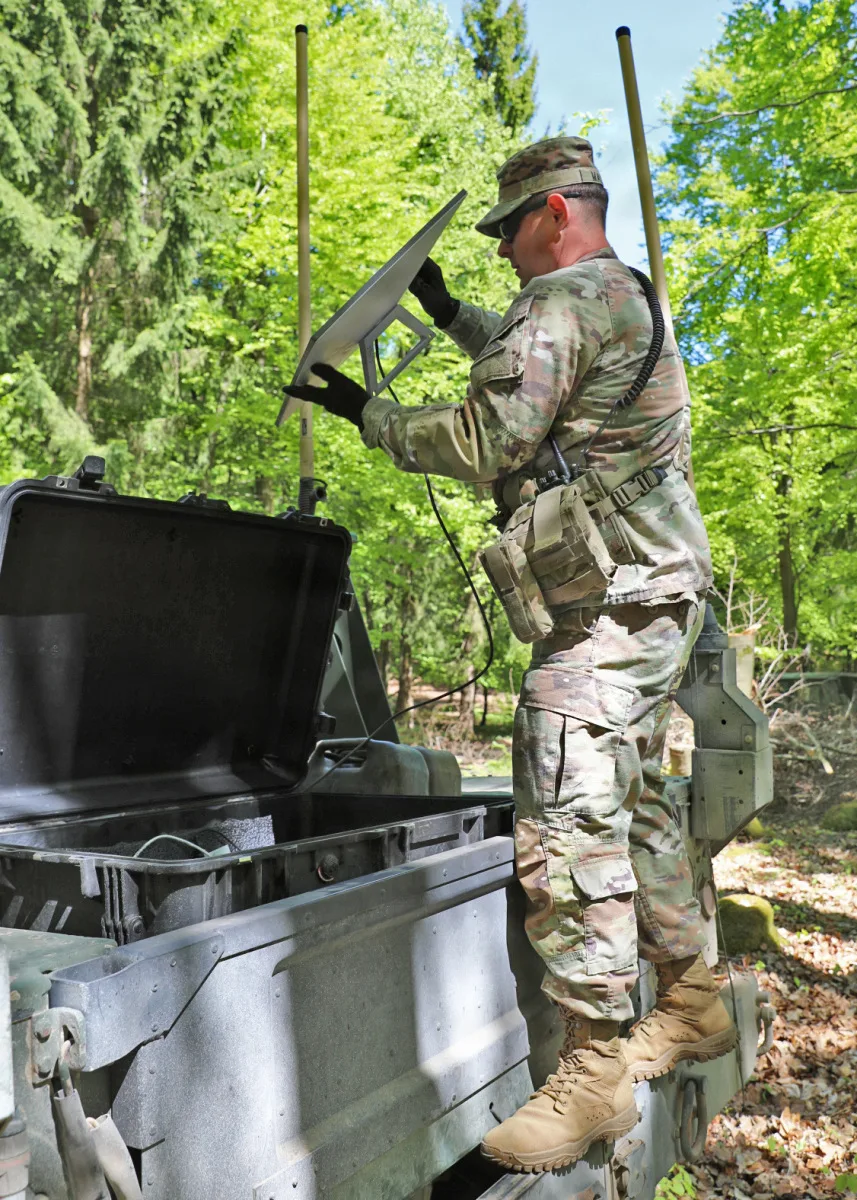
Image: Illustrative image · U.S. Army photo by 1st Sgt. Lisa Rodriguez Presley · Public domain · Source
SpaceX is negotiating leases for 80,000 U.S. cell tower sites to develop Starlink Mobile, a nationwide mobile network integrating satellite and ground-based infrastructure, targeting a 2028 launch.
SpaceX is actively engaging with major U.S. tower companies to secure access to at least 80,000 cellular sites as part of its ambitious plan to launch a nationwide mobile network, Starlink Mobile, designed to compete with established carriers such as AT&T, Verizon, and T-Mobile US. Bloomberg reports that Crown Castle, a leading U.S. tower operator, is among the firms in discussions, with potential deals reportedly valued in the billions of dollars.
During Crown Castle's recent earnings call, CEO Chris Hillabrant acknowledged ongoing talks across the satellite telecommunications sector without naming clients specifically, but indicated widespread engagement.
The acquisition and lease of these tower sites constitute a strategic effort by SpaceX to blend satellite connectivity with terrestrial cellular infrastructure. This hybrid approach aims to deliver comprehensive coverage and performance to mobile subscribers nationwide.
SpaceX anticipates launching its direct-to-device (D2D) service by early 2028, following the deployment of a second-generation Starlink Mobile satellite constellation expected next year. This advancement complements recent regulatory and spectrum acquisition milestones, including the purchase of up to 14MHz of paired spectrum in the 800MHz band from Grain Management. SpaceX’s CEO Elon Musk described this spectrum acquisition as the "last critical piece of the spectrum puzzle needed" to provide full phone coverage across the U.S.
Additionally, the company secured FCC approval to launch 15,000 next-generation satellites tailored for D2D communications. According to SpaceX President Gwynne Shotwell, these developments position Starlink Mobile to become a major player in the U.S. mobile market.
Despite SpaceX's progress, skepticism remains among industry incumbents regarding the feasibility of matching existing networks' coverage and performance. AT&T CEO John Stankey emphasized that building a network with comparable performance requires "a lot of years and a huge level of investment." He also pointed out AT&T's extensive holdings of low-band spectrum and established infrastructure as competitive advantages.
T-Mobile CEO Srini Gopalan questioned the urgency of the threat posed by satellite providers, asking what consumer problems a new satellite-ground mobile service would solve given existing options.
SpaceX’s planned integration of tens of thousands of terrestrial sites with its satellite constellation signifies a novel approach to mobile networking that could reshape how wireless coverage is delivered in the U.S., pending the outcomes of these spectrum, licensing, and infrastructure arrangements.
Sources and original reporting
Read the original source ↗
Comments (0)
No comments yet. Start the discussion.
Write a comment
Comments are published after moderation. Your name and comment will be visible publicly. Account