
Zelda and GTA VI Highlight Contrasting Realities in a Troubled Games Industry
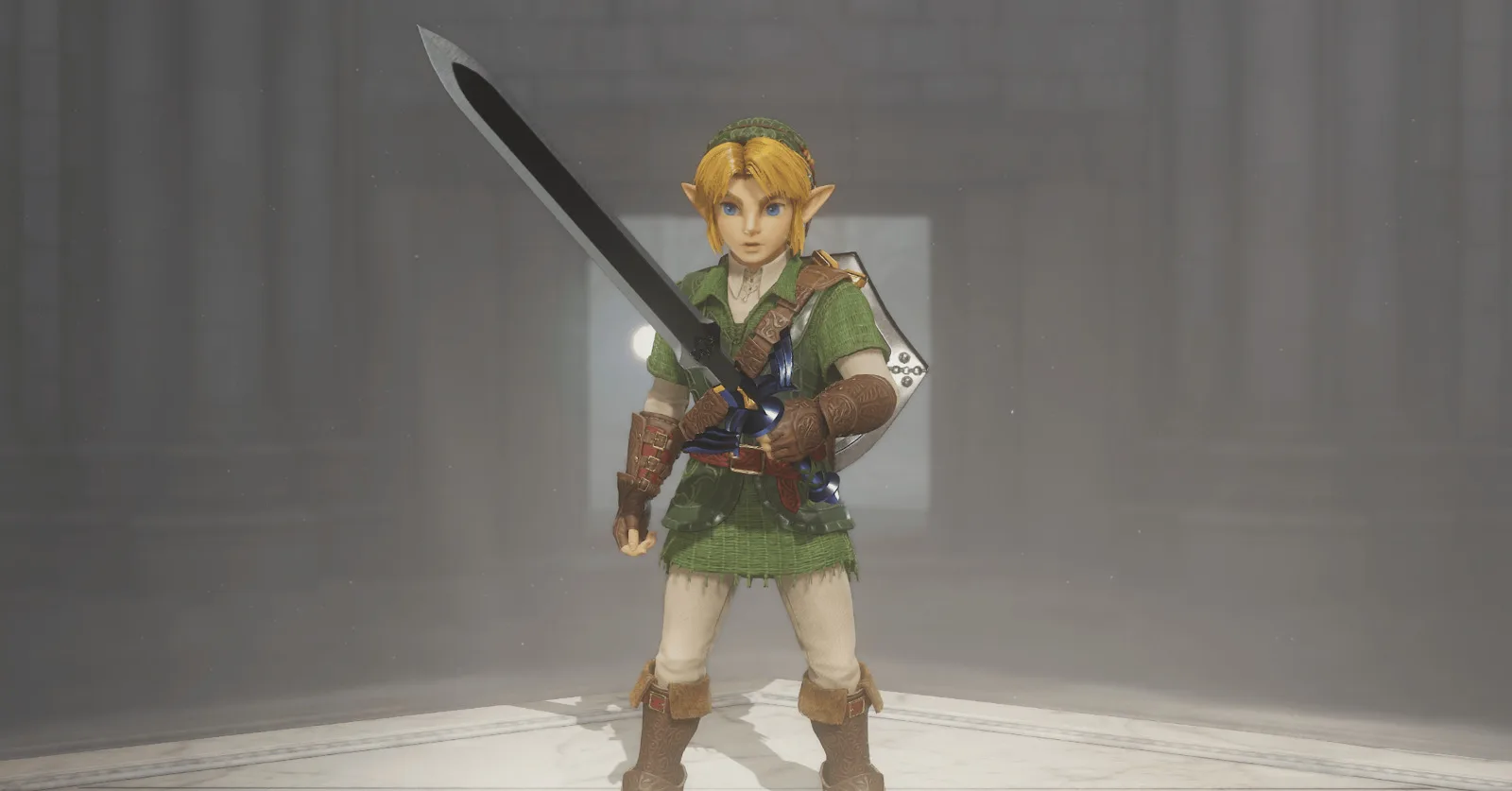
Image: New Zelda and GTA represent a games industry that no longer exists · Source
The blockbuster releases of GTA VI and a Zelda remake underscore a shifting games industry facing studio closures, layoffs, rising costs, and AI challenges.
In November 2026, the video game industry is spotlighted by two major releases: Grand Theft Auto VI from Rockstar Games and a remade version of The Legend of Zelda: Ocarina of Time from Nintendo. GTA VI is highly anticipated after 13 years in development, following the enormous success of GTA V, which has sold 230 million copies since 2013. Analyst estimates suggest nearly 30% of US gamers plan to purchase GTA VI, potentially boosting console sales as some players upgrade specifically to access the title. Meanwhile, Nintendo’s Zelda remake updates a landmark 3D adventure that originally set the standard for open-world gameplay and creativity, coinciding with plans for a 2027 live-action Zelda movie that could elevate the franchise’s prominence.
Despite these standout titles, the broader industry faces significant turmoil. 2026 has been marked by layoffs, company closures, unpopular monetization models, and hardware cost increases. Microsoft’s Xbox division is undergoing a reset, cutting thousands of jobs and shuttering studios. Epic Games has reduced its workforce by over 1,000 amid a decline in live-service games. Sony is also confronting falling console sales and cuts at Bungie and Sucker Punch studios, while EA recently shuttered beloved BioWare and canceled the next Mass Effect installment. Ubisoft and other major publishers are similarly experiencing upheaval.
The industry’s future is uncertain amid these challenges. The rising cost of consoles threatens adoption rates, while AI-driven tools are disrupting traditional development and player-creator dynamics. Xbox CEO Asha Sharma has acknowledged that these shifts may ultimately benefit players but admitted that business models will be challenged.
Notably, Nintendo and Rockstar’s successes reflect unique positions rather than solutions applicable to the broader market. Nintendo’s integrated control over hardware and software, coupled with a cautious approach, has enabled steady growth. Rockstar’s longstanding popularity and record sales with GTA V have endowed it with resources few studios possess.
These November releases hearken back to an era when blockbuster games were dependable hits, a model now under strain. The industry may not soon experience a cultural moment of this scale again as economic and technological pressures reshape gaming. While there are exceptions such as FromSoftware and Remedy sustaining themselves, the established paradigm for major game production and sales is evolving.
For further insight, The Verge's hands-on preview with the Zelda remake details the modern enhancements, and extended coverage explores GTA VI’s lengthy development. Ultimately, Zelda and GTA VI illuminate both the enduring appeal of iconic franchises and the precarious state of the contemporary video game industry.


Sources and original reporting
Read the original source ↗
Comments (0)
No comments yet. Start the discussion.
Write a comment
Comments are published after moderation. Your name and comment will be visible publicly. Account