
Rising Political Pushback Against AI Data Centers Grows Amid Democratic Congressional Control
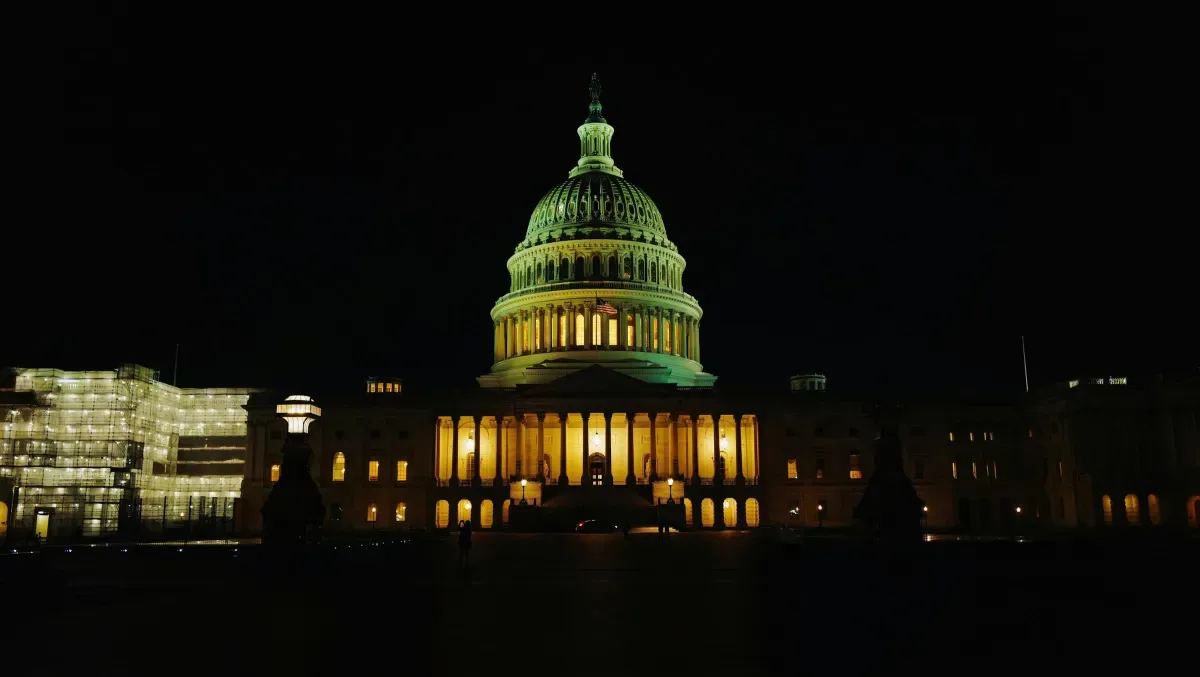
Image: TechCrunch · Source
Following the 2026 midterms, growing bipartisan opposition to AI data centers surfaces, highlighting environmental and community concerns. With Democrats controlling Congress, new regulations and construction moratoriums on data centers are likely.
The 2026 U.S. midterm elections, which resulted in Democrats gaining full congressional control alongside a Republican White House, have intensified political tensions surrounding the expansion of data centers integral to artificial intelligence (AI) infrastructure. These large facilities, responsible for housing computers that power AI technologies, have sparked significant public pushback, crossing traditional party lines and emerging as a powerful political issue at both state and national levels.
Voters expressed strong concerns about the environmental impact and local effects of data centers. An NBC exit poll reflected this sentiment: over half of respondents believed AI could cause more harm than good, and nearly 80% opposed building data centers in their neighborhoods. Moreover, almost 60% indicated that issues related to data centers influenced their voting decisions. Advocacy organizations, such as Color of Change, view the elections as a broader commentary on economic justice, emphasizing the tension between national security interests and the well-being of communities, such as the residents of South Memphis, who are affected by pollution from gas turbines powering AI data centers.
Resistance was particularly evident in states like Ohio, where major AI players including OpenAI and Meta had plans for extensive data center developments. Local voters have symbolically and practically opposed such expansions—an Ohio county approved a ban on data centers, and widespread community opposition led to defeats of pro-data center ballot measures statewide. Political analysts suggest that newly elected Democratic Governor Amy Acton could further challenge data center growth in Ohio.
Similarly, candidates opposing rapid data center buildout secured victories in Texas, Maine, Michigan, Nevada, Georgia, and South Carolina, indicating a broader regional pattern of anti-data center sentiment that transcends party funding and corporate-backed political spending. Experts note that framing data centers as a 'local villain' has become an effective campaign tool.
In response, anticipated policy measures include moratoriums on new data center construction and requirements for companies to finance necessary power grid upgrades themselves, rather than transferring costs to local communities. Financial institutions like Goldman Sachs forecast construction delays in key data center hubs, such as Georgia and Texas, as Democratic influence grows.
At the federal level, Democratic congressional control could revive legislative efforts like the bill proposed by Senator Bernie Sanders and Representative Alexandria Ocasio-Cortez to impose a nationwide pause on new data centers until regulations address environmental impact, electricity costs, and community consent. Additional proposals, such as the GRID Savings Act from Senator Martin Heinrich, aim to protect communities from bearing the infrastructural costs of AI data center expansion.
Environmental concerns persist, especially in regions with heavy reliance on polluting power sources like gas turbines, exemplified by xAI’s Memphis facility and Virginia’s data center cluster. Researchers highlight possible federal regulatory changes concerning energy, land, and environmental protections that could influence the pace and nature of data center development.
Despite Democratic control, internal debates remain. Some Democrats worry that stringent restrictions could impede AI progress and national security interests, pointing to the complex balance policymakers must achieve. Meanwhile, AI industry lobbyists are expected to ramp up efforts to influence legislators.
Underlying the controversy is a broader unease with AI technology itself, with data centers becoming a focal point for broader anxieties about technological power concentration, environmental justice, and equitable economic benefits. Community frustrations are amplified by opaque data center project approvals, outdated zoning laws, nondisclosure agreements restricting local officials, and substantial tax incentives granted to tech companies.
Stakeholders emphasize the importance of local consent, environmental accountability, and fair economic treatment. Advocates argue that if AI infrastructure truly serves national priorities, companies should internalize costs, meet environmental standards, and engage transparently with impacted communities.
As political momentum builds from grassroots levels upward, further regulatory changes and community-driven actions regarding AI data center developments are anticipated in the coming months and years.
Sources and original reporting
Read the original source ↗
Comments (0)
No comments yet. Start the discussion.
Write a comment
Comments are published after moderation. Your name and comment will be visible publicly. Account