
Theranos Whistleblower Tyler Shultz Warns of AI Boom as Potential New Avenue for Deception
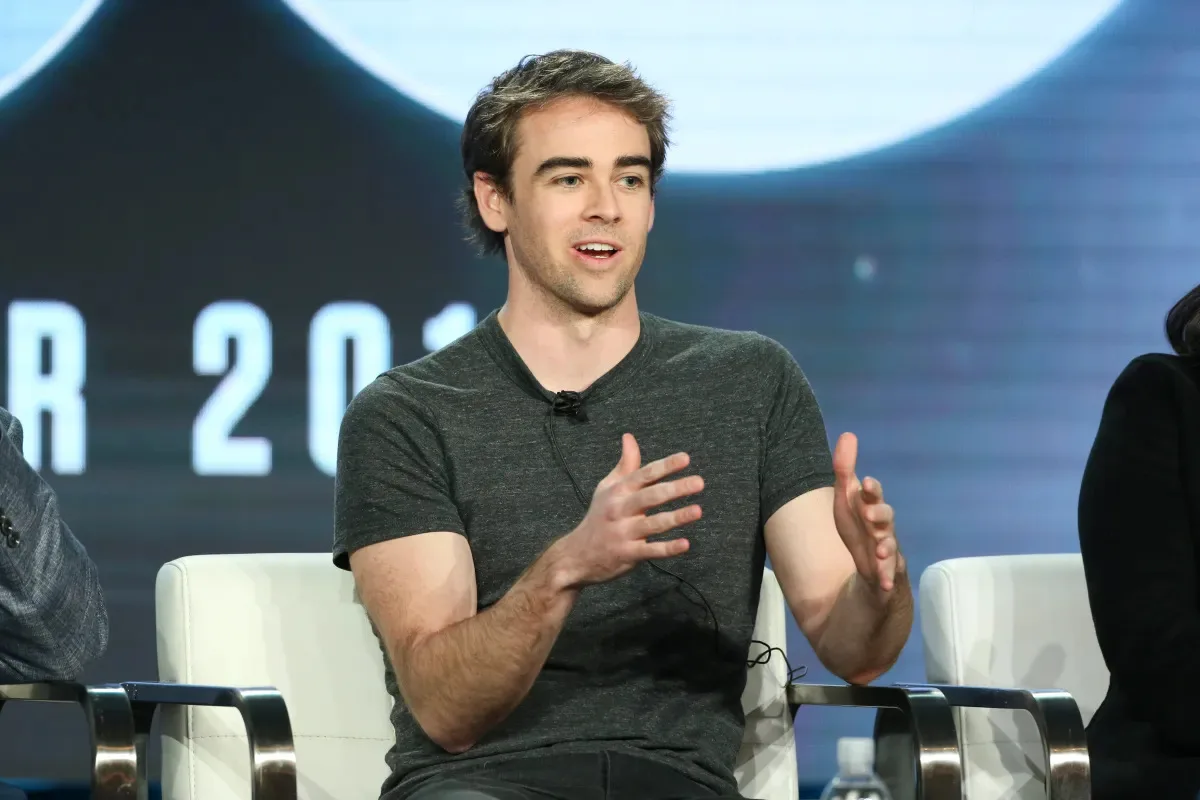
Image: TechCrunch · Source
Tyler Shultz, known for exposing Theranos' fraud, cautions that the rapid rise of AI startups—often valued at trillions despite unproven technology—presents increased risk for investor deception.
Tyler Shultz, the whistleblower who revealed the fraudulent practices of blood-testing startup Theranos, has issued a warning about the current boom in artificial intelligence (AI). Shultz’s experience with Theranos, a company once valued around $10 billion despite its technology never working properly, highlights the risks tied to fast-growing tech ventures that can mislead investors and the public.
Theranos infamously marketed its blood-testing devices with dangerous inaccuracies, deploying them in retail stores without robust validation. Shultz, who worked at Theranos after college, exposed these faults, which led to the company’s downfall and the imprisonment of founder Elizabeth Holmes. Despite the case’s closure, Holmes continues to attract attention, including from a new documentary, yet Shultz notes this focus serves Holmes’ own interests more than public understanding.
Shultz draws parallels between the Theranos saga and today’s AI environment, where companies with no profits secure sky-high valuations, sometimes reaching trillions of dollars. “The days of having a thirty-minute coffee and sending $100,000 should be over. Elizabeth took that model and scaled it to $100 million,” he remarked, underscoring how unchecked early investment can empower founders to potentially deceive.
Unlike Theranos, which mostly raised capital from wealthy individual investors rather than leading venture firms and shared limited scientific evidence, many AI startups operate in a similarly opaque manner. Shultz warns that due diligence is especially challenging in AI because distinguishing truly innovative technology from repackaged existing tools, like simple ChatGPT interfaces, is difficult. “If you want to deceive people, I think this is a great opportunity to go deceive people,” he said.
The cautionary tale extends further because AI technologies often have significant real-world implications, comparable to the health risks posed by Theranos’ faulty devices. Shultz expressed unease about what might come next, noting that Holmes is preparing a new venture and remains a figure of concern.
This perspective calls for heightened scrutiny and responsibility among investors and regulators in the AI space to avoid repeating the mistakes of the past where hype and insufficient verification allowed dangerous ventures to flourish. As AI grows rapidly, Shultz’s insights emphasize the need for tempered enthusiasm and rigorous examination of claims.
Category: AI release_status: none release_date: null product_name: null
Sources and original reporting
Read the original source ↗
Comments (0)
No comments yet. Start the discussion.
Write a comment
Comments are published after moderation. Your name and comment will be visible publicly. Account