
GM to Launch Advanced AI-Powered EV Platform in 2028 to Compete with Tesla and Chinese Automakers
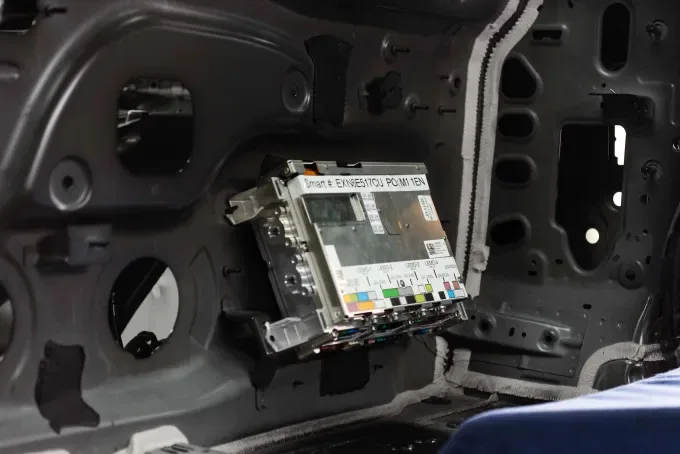
Image: Image Credits:GM / · Source
GM reveals next-generation EV platform featuring a powerful central computing unit and AI-driven autonomy, debuting in the 2028 Cadillac Escalade IQ to accelerate development and compete globally.
General Motors (GM) has unveiled plans for its fourth-generation electric vehicle (EV) platform, aiming to leverage advanced computing and artificial intelligence (AI) to boost competitiveness against Tesla, Rivian, and emerging Chinese automakers. This new platform, set to debut with the 2028 Cadillac Escalade IQ, represents a significant shift toward a software-defined vehicle architecture, emphasizing a central compute unit (CCU) that integrates vehicle functions like acceleration, steering, braking, and active safety systems.
At GM's annual GM Forward event in New York, the company highlighted innovations including novel battery chemistries, revamped electric motors, and a radically redesigned electrical architecture. A core feature of this platform is the CCU, which GM states is 40 times more powerful than existing systems and intended to replace multiple smaller electronic control units scattered throughout current vehicles. This centralization is expected to reduce wiring weight by approximately 30%, simplify assembly, and provide a robust foundation for enhanced software capabilities and autonomous driving features.
According to Sterling Anderson, GM's executive vice president and chief product officer, the goal is to create vehicles that understand driving context and reduce friction, thereby freeing drivers from some demands of road operation. This vision includes an autonomous highway driving feature planned for 2028, enabling hands- and eyes-off driving without the need for driver takeover readiness.
The announcement reflects GM’s strategy to accelerate vehicle development cycles from the typical four-to-five years down to approximately two or three years, a timeline aligned with aggressive development from Chinese rivals. GM credits advancements in enterprise AI tools for enabling rapid virtual design testing, noting an example where 300,000 virtual battery pack designs were evaluated before producing physical prototypes, expediting development decisions within a month.
GM’s move comes amid growing pressures from Tesla’s software-defined vehicle leadership and Chinese manufacturers leveraging cost advantages and faster production to penetrate global markets. While Tesla has pivoted toward AI and robotics to extend its technological edge, GM’s new platform aims to combine potent compute power with AI-driven software to level the competitive landscape.
The integration of this centralized compute system in both EV and fossil fuel models recognizes the evolving automotive industry’s increasing reliance on software and AI, signaling GM’s intent to reclaim leadership through technological innovation. However, the competitive landscape remains challenging, particularly given the cost-effective capabilities of Chinese automakers and Tesla’s continued advancements in autonomy and software-defined vehicles.
Sources and original reporting
Read the original source ↗
Comments (0)
No comments yet. Start the discussion.
Write a comment
Comments are published after moderation. Your name and comment will be visible publicly. Account