
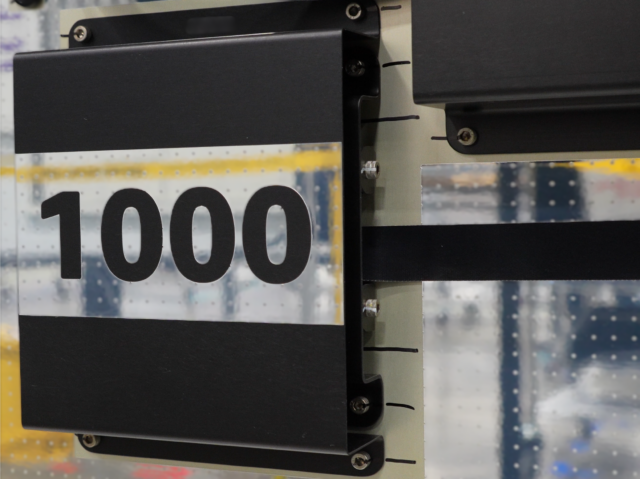
Amazon Builds 1,000th Satellite, Prepares to Launch Kuiper Space Internet Service by End of 2026
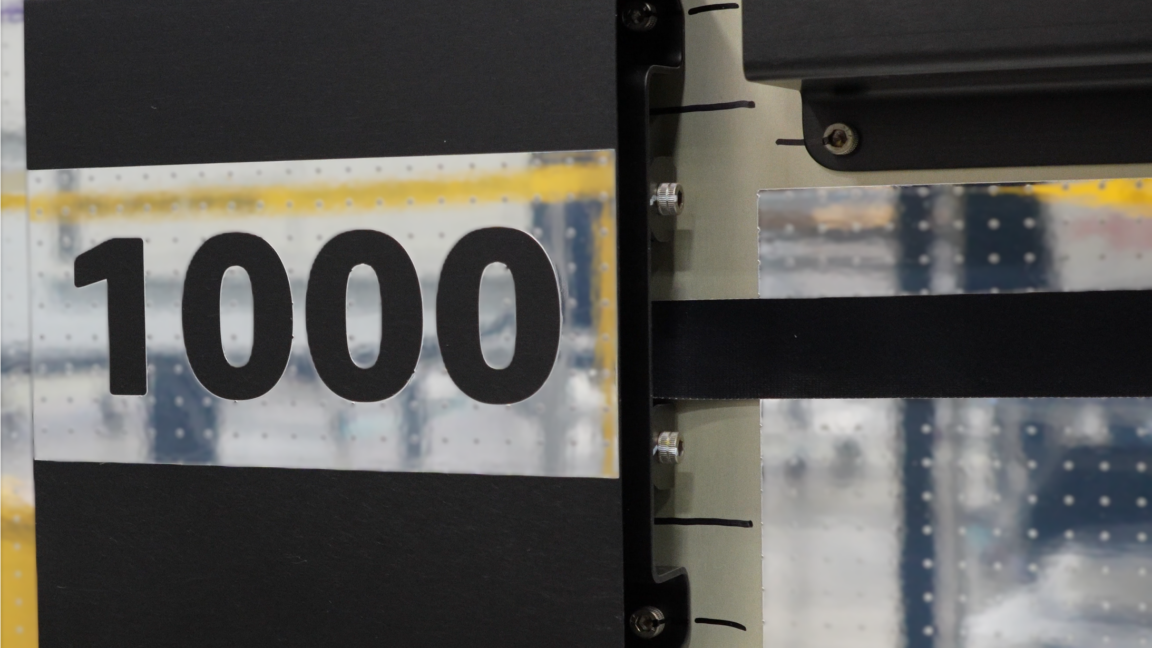
Image: Ars Technica · Source
Amazon marks manufacturing of its 1,000th Kuiper satellite and plans to launch its low-Earth orbit broadband service later this year, aiming to compete with SpaceX's Starlink with higher uplink speeds, enhanced security, and integrated Amazon ecosystem features.
Amazon is poised to enter the satellite internet market with its Kuiper constellation, marking a significant milestone by manufacturing its 1,000th satellite in a Kirkland, Washington factory. The company aims to begin commercial service by the end of 2026, challenging SpaceX's Starlink, which has dominated the sector for years.
Led by Rajeev Badyal, former Starlink project head, Amazon has spent nearly a decade developing a low-Earth orbit (LEO) broadband network to provide global high-speed internet. Amazon has positioned itself as the only major competitor capable of offering high-speed satellite internet worldwide beyond SpaceX.
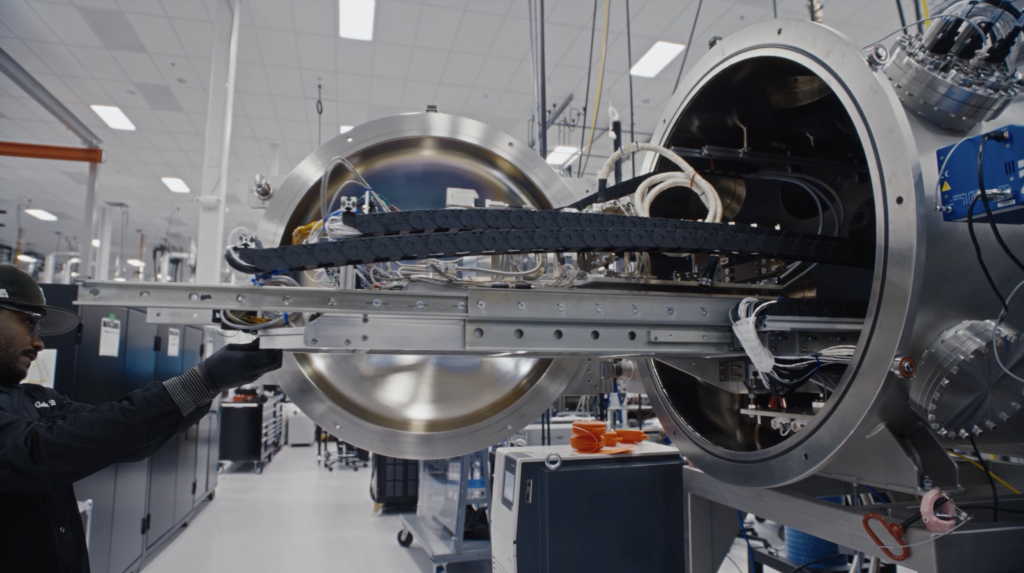
Amazon’s Kuiper project has focused heavily on scalable manufacturing, quickly advancing from producing 27 satellites in six months to 27 per week. The factory was built concurrently with satellite designs to optimize production efficiency. Key components like propulsion systems are developed in-house, while some parts rely on seasoned external suppliers. The company has modernized traditional space hardware testing methods, blending them with consumer electronics approaches to shorten test times from weeks to hours without sacrificing quality.
Despite the complexity and upfront capital requirements, the Kuiper team has validated its system’s performance, including hardware designs and network architecture. Early tests demonstrate high data speeds, with downlink speeds up to 1 gigabit per second and uplink speeds around 400 megabits per second, surpassing Starlink’s typical 350 Mbps downlink and approximately 40 Mbps uplink speeds.
Amazon has signed multiple commercial contracts, notably with Delta Airlines, indicating trust in Kuiper’s performance and secure capabilities. The service emphasizes advanced AES-256 encryption and offers customers optional private networking that connects antenna to satellite and ground stations without traversing the public internet, appealing especially to enterprise and government customers.
In preparation for launch, Amazon has partnered with diverse rocket providers including United Launch Alliance’s Vulcan vehicle, which is expected to carry Kuiper satellites in the coming weeks. Multiple rockets are being readied to maintain a steady launch cadence aligned with production capabilities, ensuring satellites are ready to deploy without delays.
The first-generation Kuiper constellation will comprise 3,232 satellites, with design and filing already underway for a next-generation system aimed at continuous improvement in coverage, speed, and security. Amazon plans to leverage its broader ecosystem—such as Prime services, eero routers, and Fire TV devices—to provide integrated customer value tied to the Kuiper network.
This upcoming launch and service rollout signifies Amazon’s serious commitment to entering the space broadband market, promising consumers and businesses a robust alternative to existing satellite internet providers. While challenges remain in the competitive space landscape, Amazon’s advancements position Kuiper as a major upcoming player in global satellite internet services.

Sources and original reporting
Read the original source ↗
Comments (0)
No comments yet. Start the discussion.
Write a comment
Comments are published after moderation. Your name and comment will be visible publicly. Account