
Microsoft Withdraws from UK AI Data Centre Project as European Telcos Eye Joint Satellite Spectrum Bid; SpaceX Plans 2028 Direct-to-Device Launch
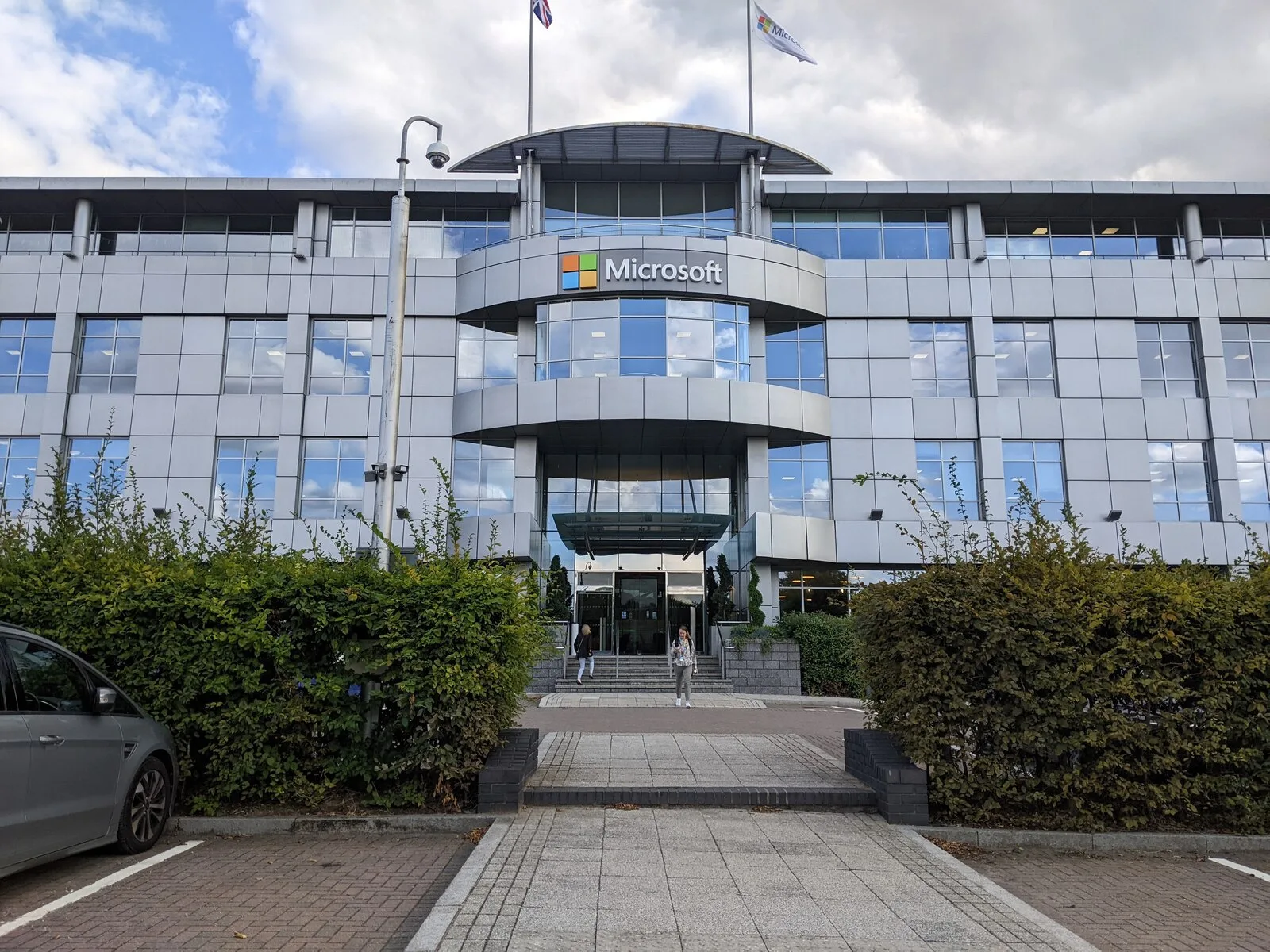
Image: Illustrative image · Rob Purvis · CC BY-SA 2.0 · Source
Microsoft cancels UK AI data centre deal due to power connection delays. European telecom giants unite to explore shared satellite spectrum access, while SpaceX aims for a 2028 launch of its direct-to-device service leveraging new satellites and spectrum.
In a week marked by significant developments across the telecom and cloud infrastructure sectors, Microsoft has pulled out of its planned AI data centre deal with Nscale in the UK, citing delays in securing electricity connections that could extend power availability into the 2030s. The project, located in Loughton, Essex, was envisioned as a 50MW facility featuring a supercomputer with approximately 23,000 Nvidia GB300 chips. Announced in 2025 as part of Nscale's £2.5 billion investment in UK infrastructure, the site was intended to be fully occupied by Microsoft. Despite this setback, Nscale affirmed its commitment to the UK and is exploring alternative energy solutions, with Microsoft maintaining collaborative efforts in Norway, Portugal, and the United States.
This development highlights broader challenges facing UK's AI infrastructure expansion. Investigations revealed the Loughton site remains undeveloped beyond scaffolding, exposing systemic delays linked to constrained power grid capacity, complex construction, and stressed GPU supply chains. Industry specialists emphasize that grid availability has become as critical to data centre growth as planning permissions, with many projects encountering multi-year waits for energy connections.
Meanwhile, a consortium of leading European telecom operators—Deutsche Telekom, Orange, Telefonica, and Vodafone Group—has signed a letter of intent to jointly pursue spectrum designated for Mobile Satellite Services (MSS). Their objective is to expand direct-to-device (D2D) satellite connectivity through a cooperative approach that supports open and non-discriminatory access to satellite links. The group plans to build the necessary ground infrastructure and governance without directly investing in satellite constellations, which remain to be selected. This initiative is timely given the impending May 2027 expiry of current 2GHz MSS spectrum licenses and ongoing European Commission deliberations on spectrum allocation frameworks.
Experts note that this coordinated bidding could help reduce market fragmentation and facilitate satellite integration as a seamless extension of mobile networks, though success will depend on effective execution, device compatibility, and competitive pricing that convinces consumers of the enhanced coverage benefits.
In the United States, SpaceX has disclosed intentions to launch its own D2D service by early 2028, following the 2027 deployment of second-generation Starlink Mobile satellites and securing additional spectrum allocations. The company recently obtained Federal Communications Commission approval to deploy up to 15,000 next-generation V2 satellites and is in the process of purchasing paired spectrum in the 800MHz band from Grain Management.
SpaceX plans to augment satellite coverage with ground-based femtocells, positioning itself to become a major mobile carrier in the US market. Industry observers highlight SpaceX's potential competitive advantage due to its distinct network cost structure, which relies less on traditional physical infrastructure. Nevertheless, challenges around urban capacity and indoor coverage persist. The move also raises regulatory questions regarding the obligations satellite operators might face when competing directly with established mobile network providers.
Adding to these developments, CEO Elon Musk has revealed exploratory plans for a possible merger between SpaceX and Tesla, aiming to unify satellite connectivity, automotive technologies, and AI infrastructure under a single corporate entity.
These coordinated moves reflect an accelerating push to merge satellite and terrestrial networks, address infrastructure bottlenecks, and expand next-generation mobile connectivity on a global scale.
Sources and original reporting
Read the original source ↗
Comments (0)
No comments yet. Start the discussion.
Write a comment
Comments are published after moderation. Your name and comment will be visible publicly. Account