
Serve Robotics Launches Physical AI Services to Power Robot Connectivity and Data
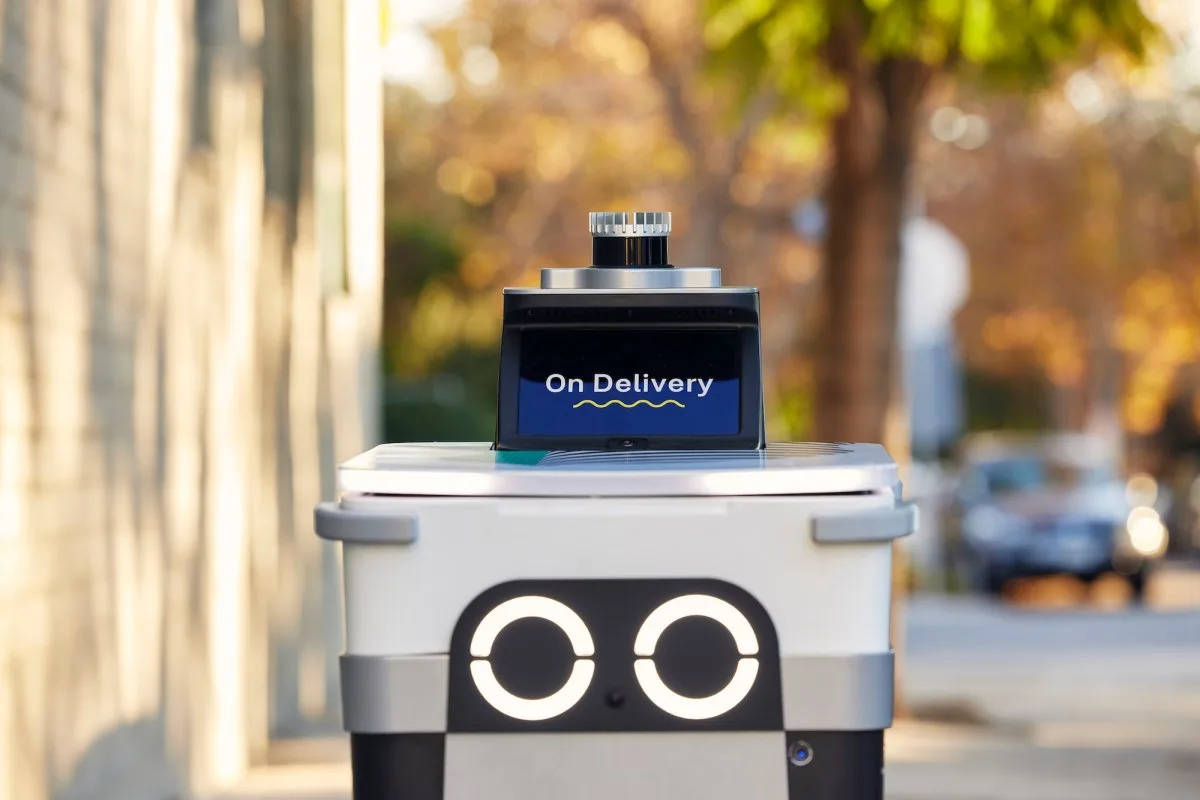
Image: TechCrunch · Source
Serve Robotics introduces Physical AI Services to provide connectivity and data tools to other robot makers, aiming to be the AWS of robotics while expanding its autonomous delivery operations.
Serve Robotics, known for its self-driving sidewalk delivery robots, is broadening its focus beyond its own autonomous delivery operations. The company has launched a new business line called Physical AI Services, designed to supply its technology — including connectivity and data tools — to other companies developing robots for various environments.
Originally spun out of Uber’s acquisition of Postmates in 2021 and going public in 2024, Serve Robotics is transforming into a technology provider for the robotics industry. Its new customer roster includes Bedrock Robotics, a startup creating self-driving systems for construction equipment, and it is collaborating with T-Mobile to bring AI computing capabilities closer to robots through edge computing.
Serve’s CEO and co-founder Ali Kashani described the move as a moment similar to Amazon Web Services (AWS), where Serve is opening its internally developed technology platform to other robotics firms. This approach is made possible by the extensive experience Serve gained from operating its own fleet of robots.
In addition to the new business, Serve maintains two robotic product lines: the sidewalk delivery robot with its distinctive googly eyes, and a hospital robot acquired through the purchase of Diligent Robotics. Kashani emphasized that these core businesses will continue alongside the expanded technology offerings.
Physical AI Services will launch three main products. The first, Serve Link, facilitates robust connectivity between robots in the field and AI systems hosted in data centers, allowing access to advanced AI models without requiring onboard computing power. Kashani highlighted the importance of reliable connections despite potentially unstable networks, which Serve aims to solve.
The second product is a data curator tool that scans the large volumes of real-world data robots collect, identifying unusual or edge cases to improve training models and robot performance. The third offering is a real-world data catalog derived from Serve’s sidewalk robots, which serves as a foundation model resource to help AI better understand the complexities of human environments.
This strategic expansion aligns with the growth of Serve’s sidewalk delivery business. The company is transitioning its focus away from Uber and toward partnerships with firms like DoorDash and Wonder. Kashani noted that the new technology platform reflects lessons learned from Amazon’s playbook: initially building end-to-end applications to understand needs, then opening the platform for others as the market matures.
Serve Robotics’ Physical AI Services thus represents a significant step in enabling broader robotics adoption by providing critical AI connectivity and data infrastructure to the industry.
Sources and original reporting
Read the original source ↗
Comments (0)
No comments yet. Start the discussion.
Write a comment
Comments are published after moderation. Your name and comment will be visible publicly. Account