
Humanist Secures Religious Exemption from AI Use at Work, Highlighting Broader Ethical Concerns
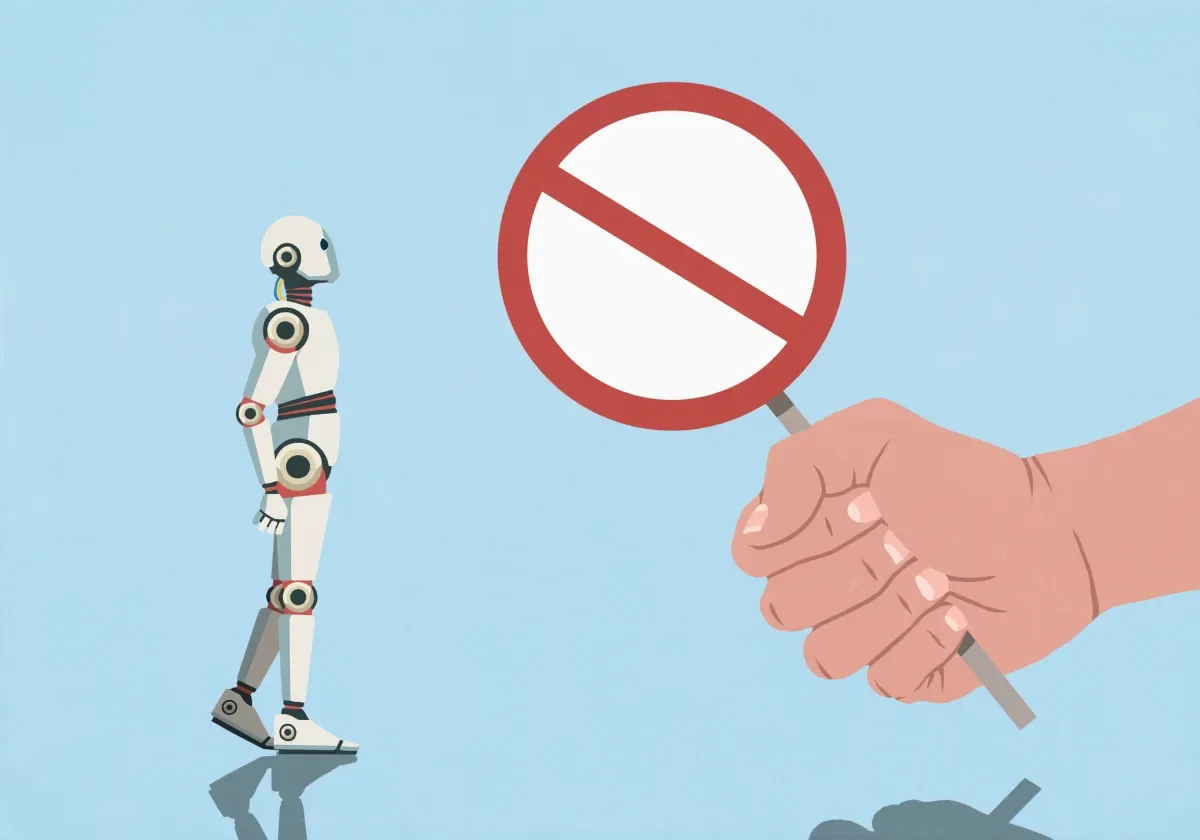
Image: TechCrunch · Source
David Durman, a University of Kentucky administrator and nontheistic Humanist, obtained a religious exemption from using AI at work, emphasizing that objections to AI extend beyond traditional religious faiths and involve concerns about human dignity and creativity.
The rising integration of artificial intelligence (AI) in workplaces has sparked not only technological advancement but also ethical and philosophical debates over its use. David Durman, an administrator at the University of Kentucky and a nontheistic Humanist, recently became the first Humanist to secure a religious exemption from the use of AI in his work environment. His case, reported by TechCrunch, sheds light on how objections to AI are not limited to conventional religious beliefs but also include secular worldviews centered on human well-being and moral agency.
Durman explains that Humanism is a philosophy focusing on human experience and flourishing, rather than belief in deities. He regards reliance on AI as diminishing active critical thinking and moral responsibility, which are core to this worldview. He expressed concerns that AI not only disrupts individual moral development but also threatens cultural pillars such as art and literature by supplanting human creativity.
Prompted by these convictions and inspired by precedent cases like that of Erin Maus, a Unitarian Universalist software engineer who also obtained AI-use exemptions, Durman sought legal protections through the American Humanist Association (AHA). The AHA advocates that protections for religious accommodations should extend to nontheistic philosophies, ensuring individuals who object to AI use for ethical or moral reasons can receive workplace accommodations.
The University of Kentucky reviewed Durman’s request, balancing his job requirements with the accommodation. A spokesperson confirmed that the university determined the exemption feasible without impairing his essential duties. This precedent is significant as AI tools become increasingly widespread and sometimes expected in various fields.
Durman’s role primarily involves administrative support rather than direct AI-assisted tasks, which makes adherence to his exemption manageable. Nevertheless, he proactively secured these rights anticipating that AI use might become mandatory in the future. He encourages others with similar ethical concerns, whether religious or secular, to pursue exemptions or accommodations as appropriate.
This development highlights expanding interpretations of religious and moral conscientious objections in the rapidly evolving technological landscape. It underscores the growing recognition that ethical concerns regarding AI's impact on human dignity, creativity, and employment transcend traditional belief systems, extending protections to those guided by humanist and other non-theistic convictions.
Sources and original reporting
Read the original source ↗
Comments (0)
No comments yet. Start the discussion.
Write a comment
Comments are published after moderation. Your name and comment will be visible publicly. Account