
Tesla Expands Cybercab Robotaxi Service Across U.S. Cities in 2026
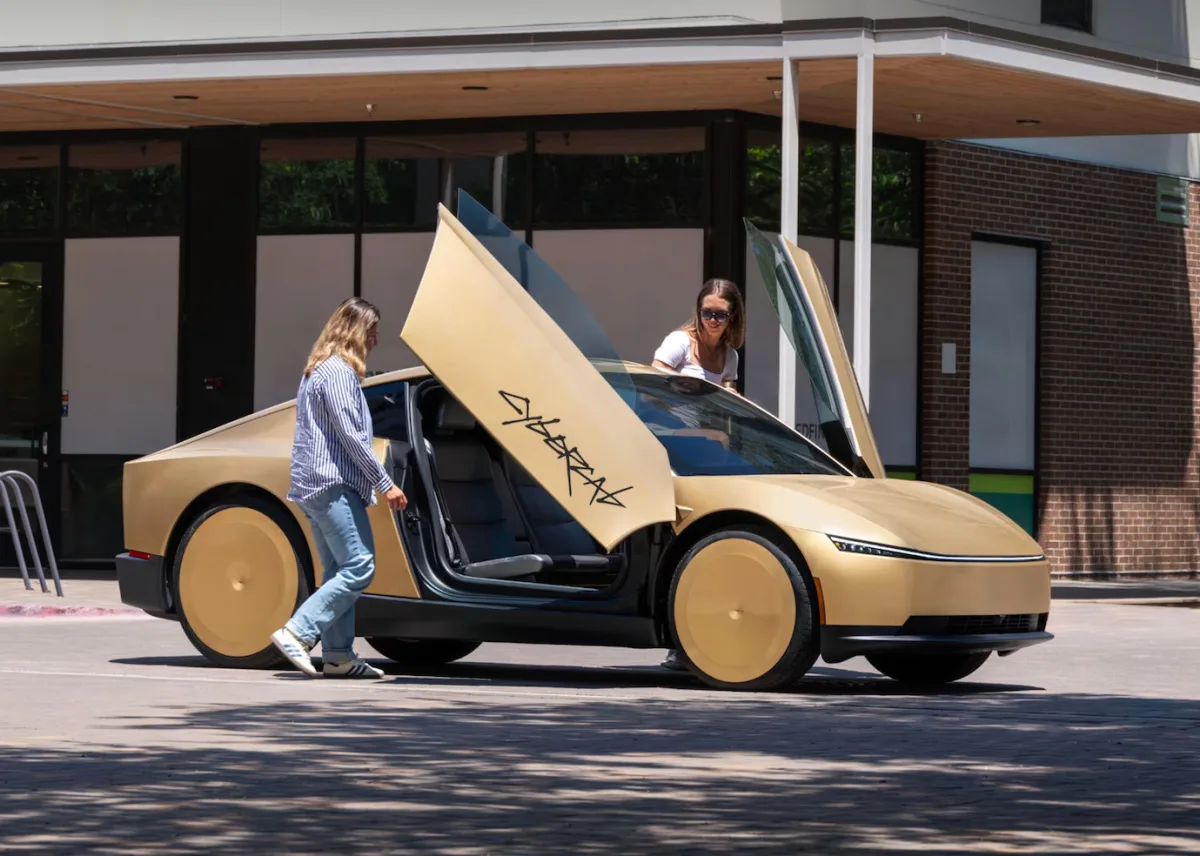
Image: TechCrunch · Source
Tesla plans to roll out its Cybercab robotaxis beyond Austin, starting with Dallas this November and other cities by year's end, aiming to scale quickly amidst regulatory and technical challenges.
Tesla is preparing to extend its Cybercab robotaxi service beyond its initial Austin, Texas base, with plans to launch in Dallas next month and expand to additional U.S. cities by the end of 2026. The company views this expansion as a step toward its broader ambition to "own transportation of any kind on Earth," according to Tesla Chief Financial Officer Vaibhav Taneja during the company’s third-quarter earnings call.
Currently, Tesla operates robotaxi fleets of its Model Y SUV in Dallas, Houston, and several Florida cities, including Miami, Orlando, and Tampa. With the upcoming launch of the two-seater Cybercab—known for its distinctive gold color—Tesla also announced it will begin selling these vehicles to fleet operators by the year's conclusion.
This broader rollout could increase competition with companies like Waymo, which leads the U.S. robotaxi market with over 4,000 vehicles deployed across multiple cities. Tesla claims its Cybercab is less expensive and simpler to manufacture, positioning it to offer more affordable robotaxi services. However, Tesla acknowledges the need to scale operations beyond Austin to substantiate these advantages.
Despite the anticipated growth, Tesla remains cautious about the current financial impact of its robotaxi efforts. CEO Elon Musk expects the ride-hailing business to become financially noticeable only by the second quarter of 2027, with significant contributions coming later in the year.
Tesla’s recent shareholder letter altered the way it reports robotaxi usage metrics—from "Cumulative Paid Robotaxi Miles" to "Cumulative Unsupervised Robotaxi Miles," reflecting distances driven regardless of passenger presence. The company offered limited details on paid ride numbers but indicated utilization rates are improving.
From an operational perspective, Tesla praises its Cybercab's ease and speed of manufacturing, though scaling deployment depends heavily on obtaining regulatory approvals. The National Highway Traffic Safety Administration (NHTSA) has initiated an investigation into the Cybercab’s compliance with federal safety standards, notably because the vehicle lacks traditional features such as brake pedals and side mirrors, which current regulations require. While the NHTSA is considering rule changes to address such issues, formal approval remains pending.
Tesla’s vice president overseeing autonomy, Ashok Elluswamy, emphasized that technological readiness also influences service expansion. Tesla has incrementally extended robotaxi service hours and intends to enhance software capabilities to handle complex driving conditions, including highway use and challenging environments, by year's end. Ensuring safety without compromise remains the company’s guiding principle in this gradual scaling process.
Overall, Tesla’s Cybercab rollout in 2026 reflects ambitious ambitions tempered by regulatory hurdles and the need for technical refinement, as the company seeks to establish a significant presence in the autonomous robotaxi market within the United States.
Sources and original reporting
Read the original source ↗
Comments (0)
No comments yet. Start the discussion.
Write a comment
Comments are published after moderation. Your name and comment will be visible publicly. Account