
SpaceX’s AI Business Surpasses Expectations with $4.4 Billion Profit in Q3
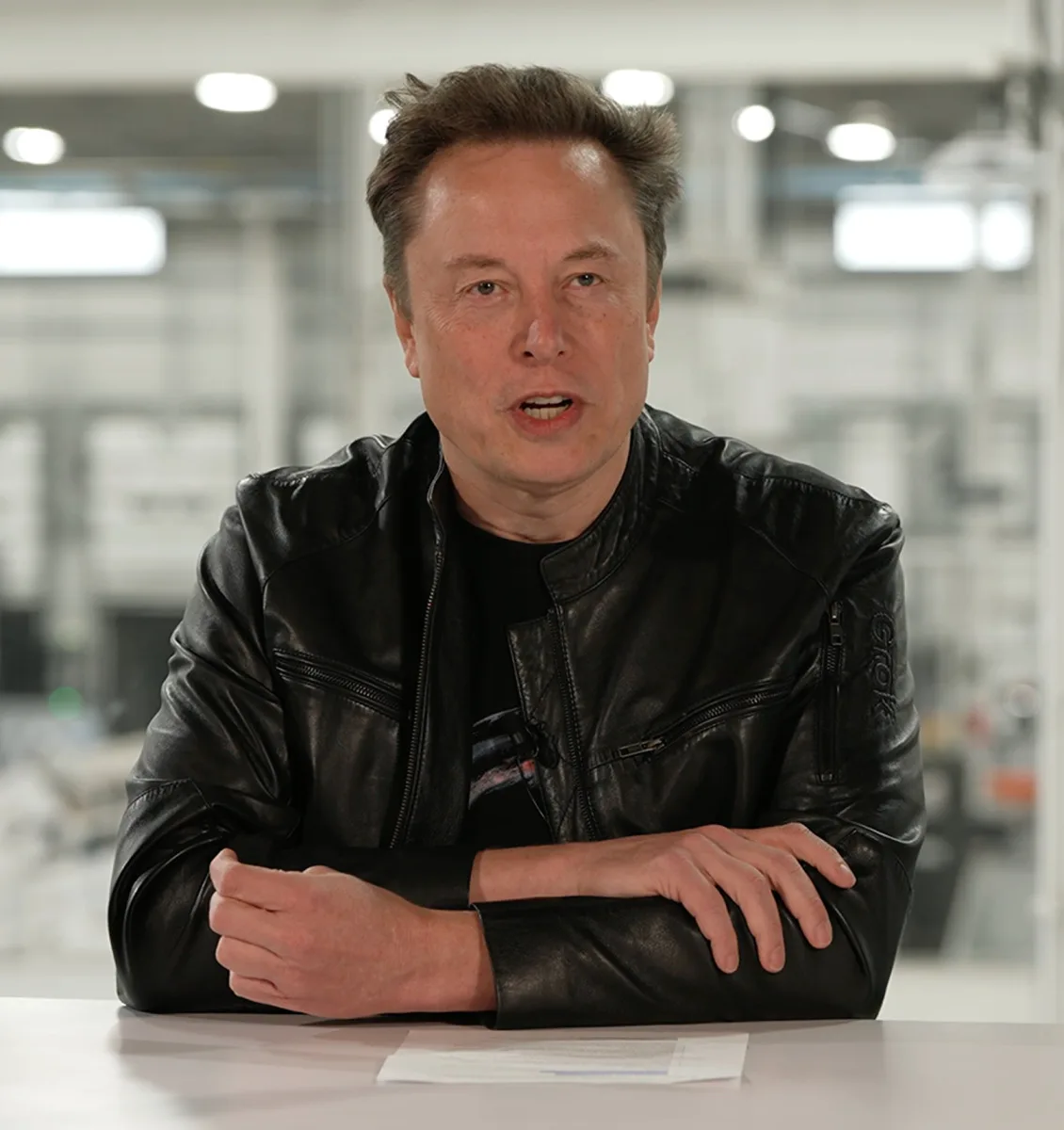
Image: TechCrunch · Source
In Q3 2026, SpaceX's AI division branded as 'Super Intelligence' generated $7.5 billion revenue, driving overall profitability with $4.4 billion net income and marking a strategic shift from space toward AI and data center infrastructure.
SpaceX has revealed robust profitability in the third quarter of 2026, posting a $4.4 billion net income that reverses a prior loss and highlights the growing importance of its artificial intelligence business. According to a regulatory filing detailed by TechCrunch, SpaceX reported total revenue of $14.6 billion for the quarter, with the AI-centric "Super Intelligence" segment contributing $7.5 billion — more than half of the company’s income.
This AI business includes revenue streams from recent acquisitions such as the Cursor coding assistant, the Grok AI chatbot, and notably from SpaceX's rapidly expanding neocloud services, which now deliver 1.7 gigawatts of computing power. Despite achieving a strong $431 million profit, the AI segment’s earnings were partly offset by $1.2 billion in one-time stock-based compensation related to the Cursor acquisition.
Additionally, SpaceX benefited from approximately $1 billion in income linked to Bitcoin price recoveries and certain related-party transactions, possibly involving other investment activities by the company.
While revenue surged, SpaceX is simultaneously investing heavily in its infrastructure. Capital expenditures in the quarter totaled $19.6 billion as the company advances the build-out of its second data center, Colossus II, and accelerates development of the Starship heavy-lift rocket. CEO Elon Musk emphasized ongoing efforts to resolve power and cooling constraints critical for scaling AI, highlighting innovative use of SpaceX's metal casting capabilities to expedite turbine production despite industry-wide supply delays.
Musk shared details on Starship’s forthcoming test flight aimed for November, targeting recovery of both the first and second stages—a milestone critical for vehicle reusability and cost reduction. The company’s Starlink satellite internet service also grew, reaching 13.6 million subscribers, with Musk envisioning increased demand correlated with AI agent usage.
Although SpaceX reported profitability for Q3, the cumulative net income across the first nine months of 2026 remains negative at $413 million, indicating ongoing challenges to sustain annual profitability.
Looking ahead, Musk remains highly optimistic about the AI business's potential, projecting annual recurring revenue between $500 billion and $1 trillion by the end of 2027. CFO Bret Johnsen anticipates total revenue of $33 billion to $37 billion in Q1 2027.
This data underscores SpaceX’s strategic transition from its traditional aerospace focus toward becoming a leading player in AI infrastructure and services. The developments reflect CEO Musk’s vision of AI deployment being constrained more by infrastructure than by chip supply, positioning SpaceX uniquely in the market by leveraging its engineering innovations for rapid scaling.
The situation continues to evolve, with SpaceX’s growing AI footprint signaling a notable shift in the company’s core business and future trajectory.
Sources and original reporting
Read the original source ↗
Comments (0)
No comments yet. Start the discussion.
Write a comment
Comments are published after moderation. Your name and comment will be visible publicly. Account