
Meta Cautions Political Resistance to Data Centers Could Hinder AI Growth
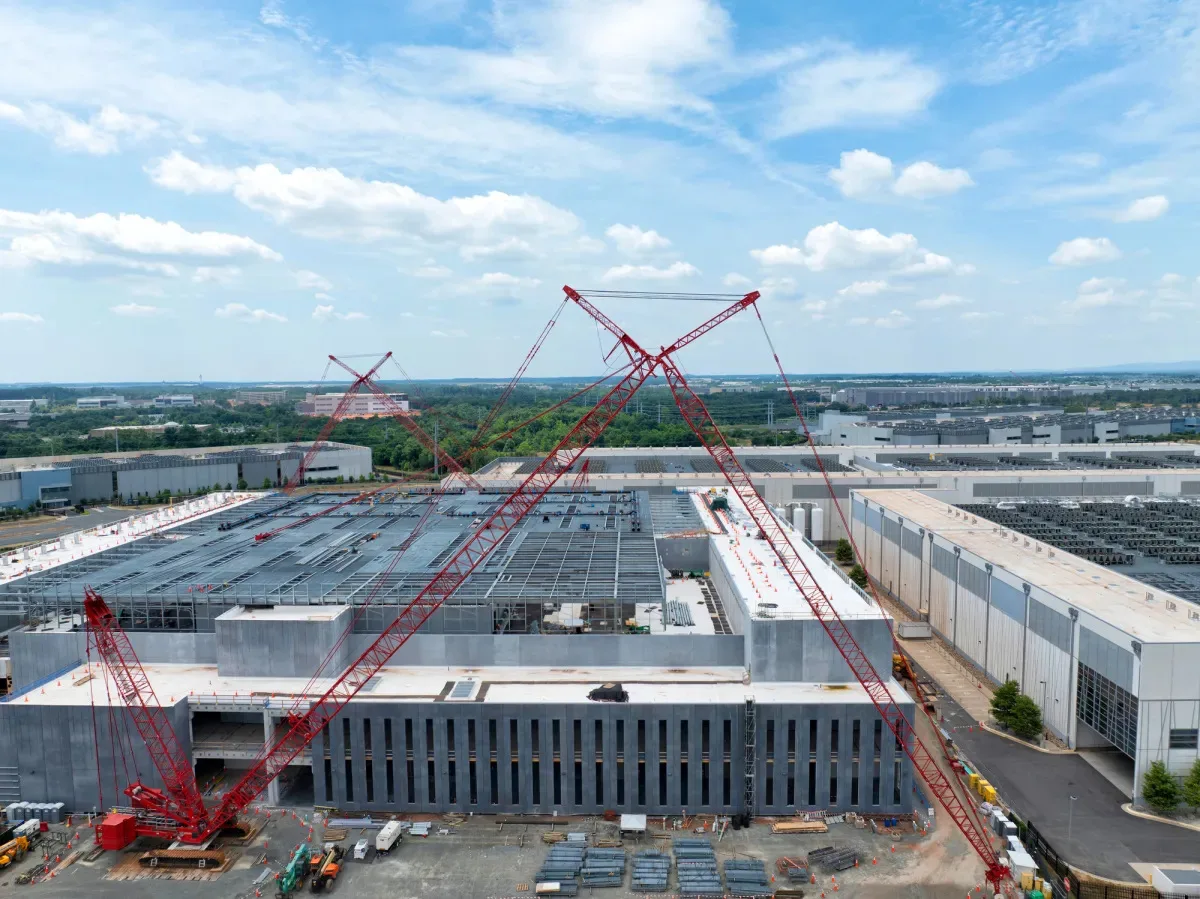
Image: TechCrunch · Source
Meta highlights that rising political opposition to data centers following recent elections may impede future AI advancements, emphasizing the need to better communicate the benefits of such infrastructure to communities.
Meta's President Dina Powell McCormick has expressed concern that growing political opposition to data centers, evidenced in recent Democratic election victories, could hamper the company's ability to expand its AI infrastructure. Speaking at the WSJ Tech Conference, McCormick noted that the backlash against data centers — key physical foundations for AI technologies — is intertwined with public apprehension about AI itself.
McCormick explained that data centers, as tangible symbols of AI, often provoke community resistance, as residents may object to large-scale projects in their localities. She emphasized that overcoming this skepticism requires demonstrating both the community-level benefits and the broader societal value of AI technologies.
Meta aims to show how advances in AI could drive critical breakthroughs, from medical research to education access. McCormick referenced Meta CEO Mark Zuckerberg's vision of technology that prioritizes human empowerment and inclusion, advocating for AI democratization that ensures fair and transparent access to its capabilities.
With two decades of experience building data centers across the U.S., Meta currently operates facilities in 23 states, including five major projects generating one gigawatt or more of power. However, McCormick acknowledged that the political climate following the midterms, in which candidates campaigned on anti-data-center platforms, makes future infrastructure development more challenging.
To address concerns, Meta has adopted community-focused models involving paying energy costs directly, channeling tax revenues toward local public services like education and emergency responders, employing local labor forces, and securing bipartisan support. McCormick predicted stricter scrutiny of data center projects moving forward, with community approval becoming a critical factor.
Despite potential hurdles, Meta remains optimistic about its AI investments, such as its Muse AI agent, which currently serves over 10 million users and aspires to scale to billions. Even if certain AI ventures do not fully materialize, Meta anticipates that the computing capacity from its data centers will prove valuable, noting ongoing interest from external parties in leasing Meta's computational resources.
Overall, Meta underscores the need for better public understanding of AI's benefits and the tangible investments underpinning the technology, to mitigate resistance and support the continued growth of AI infrastructure crucial to its future.
Sources and original reporting
Read the original source ↗
Comments (0)
No comments yet. Start the discussion.
Write a comment
Comments are published after moderation. Your name and comment will be visible publicly. Account