
Constellation Energy Confident as Democrats’ Data Center Policies Raise Less Concern than Wall Street Expected
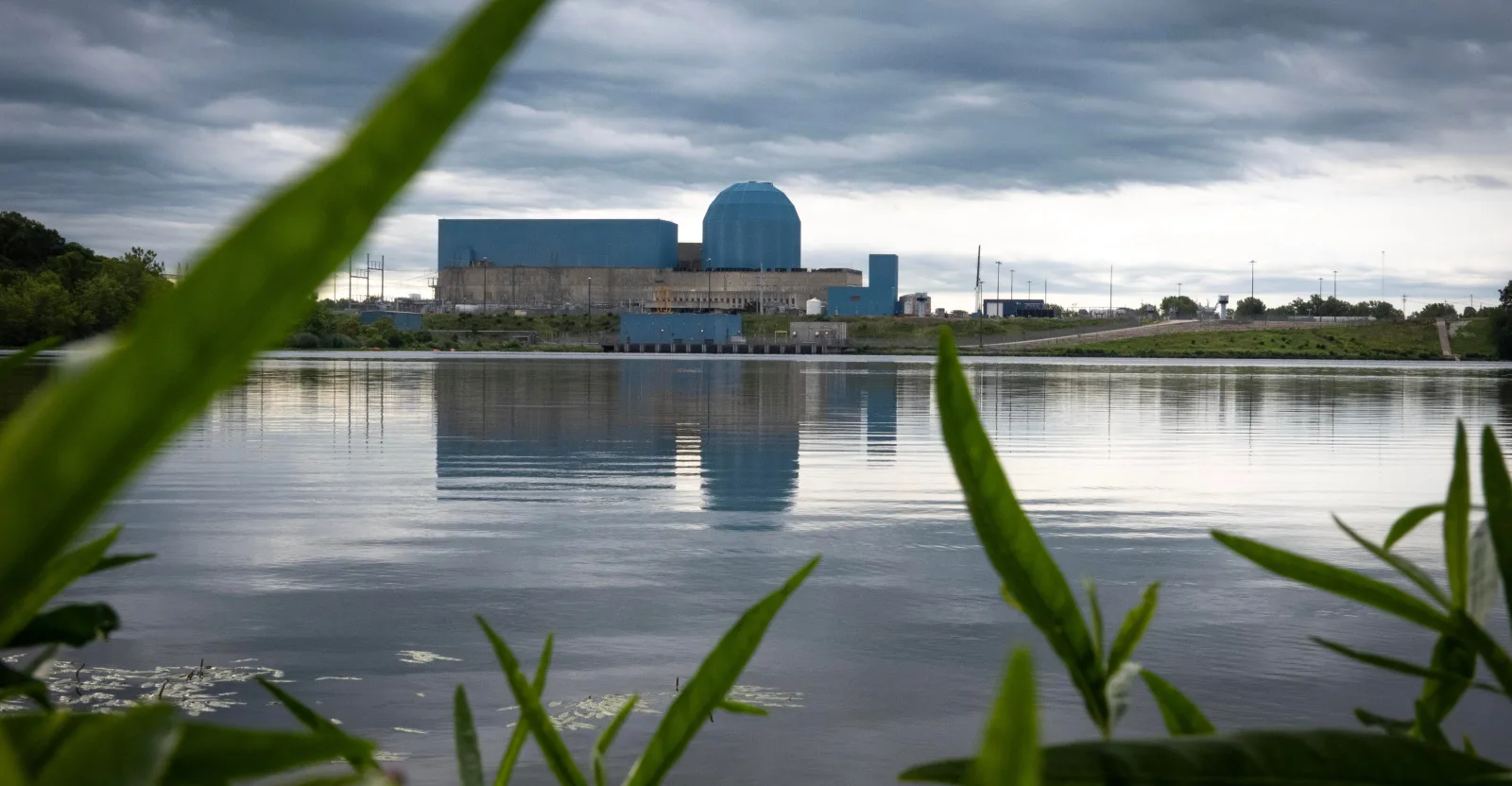
Image: Big Nuclear isn’t worried about the Democrats stopping data centers · Source
Constellation Energy, the largest US nuclear operator, downplays fears that Democratic control will impede data center growth, highlighting existing contracts with major tech firms and bipartisan nuclear energy support.
Constellation Energy, America’s largest operator of nuclear power plants, has expressed confidence amid concerns that the Democratic Party’s recent electoral wins might slow down data center development. CEO Joe Dominguez addressed these fears during the company’s third-quarter earnings call, describing the market’s reaction to the election results as an overreaction driven by fear of potential regulatory impacts.
Many Democrats who gained seats in the House and Senate campaigned on anti-data-center platforms, triggering a significant $2.5 trillion sell-off in AI-related and adjacent sectors including energy and construction. Despite this, Dominguez remains unfazed, noting that nuclear power plants in states with Democratic governors like Virginia and Illinois have seen substantial data center growth.
Data centers drive significant electricity demand, directly benefiting nuclear energy providers. Constellation, which once faced financial challenges threatening early plant shutdowns, has reversed its fortunes by securing major power agreements with Big Tech firms such as Microsoft, Amazon, and Google. Notably, Microsoft partnered with Constellation to support the revival of the Three Mile Island nuclear plant in Pennsylvania, a site historically associated with the most serious accident in US nuclear plant operating history.
Nuclear energy's classification as a clean source by the US Department of Energy, due to its low carbon emissions during operation, aligns with the climate goals of large tech companies increasingly dependent on data centers. However, challenges persist, primarily surrounding safe disposal of nuclear waste, an issue the US government has yet to resolve comprehensively.
Dominguez emphasized that economic growth and job creation linked to data center construction are priorities for Democrats, suggesting that halting development would be politically and economically unfavorable. He also highlighted the complexity of opposition to data centers, noting Republican lawmakers in Virginia have proposed regulations as well, pointing to a highly localized and fragmented resistance rather than a unified partisan stance.
Federal legislative efforts reflect a pragmatic approach to data center expansion. The Bipartisan American Affordability and Jobs Act, co-sponsored by Democrats, aims to expedite permitting for new power plants and transmission infrastructure critical for supporting data centers, while including provisions to protect utility customers from cost increases associated with these projects. Despite some division among Senate Democrats over potential environmental and public input concerns, the bill indicates broad recognition of data centers as a vital and growing economic component.
The structure of the US electric grid permits companies like Constellation to supply power to data centers nationwide irrespective of physical plant location, facilitating nationwide nuclear energy sales. This setup, together with tax credits and substantial government loans such as the recent $5 billion Department of Energy loan awarded to Constellation for fleet upgrades, reflect strong bipartisan federal support for nuclear energy as a key component of the nation’s clean energy future.
Dominguez concluded that there is significant alignment between both political parties on the importance of supporting energy infrastructure and data center development, suggesting that policy solutions will likely share common ground despite differing political narratives. Overall, Constellation appears optimistic about its vital role in powering America’s expanding digital infrastructure and remains unconcerned by potential shifts in federal or state regulatory landscapes following the recent election cycle.


Sources and original reporting
Read the original source ↗
Comments (0)
No comments yet. Start the discussion.
Write a comment
Comments are published after moderation. Your name and comment will be visible publicly. Account