
Nvidia Founder Jensen Huang Steps Down Amid Scandal, Marking End of an Era
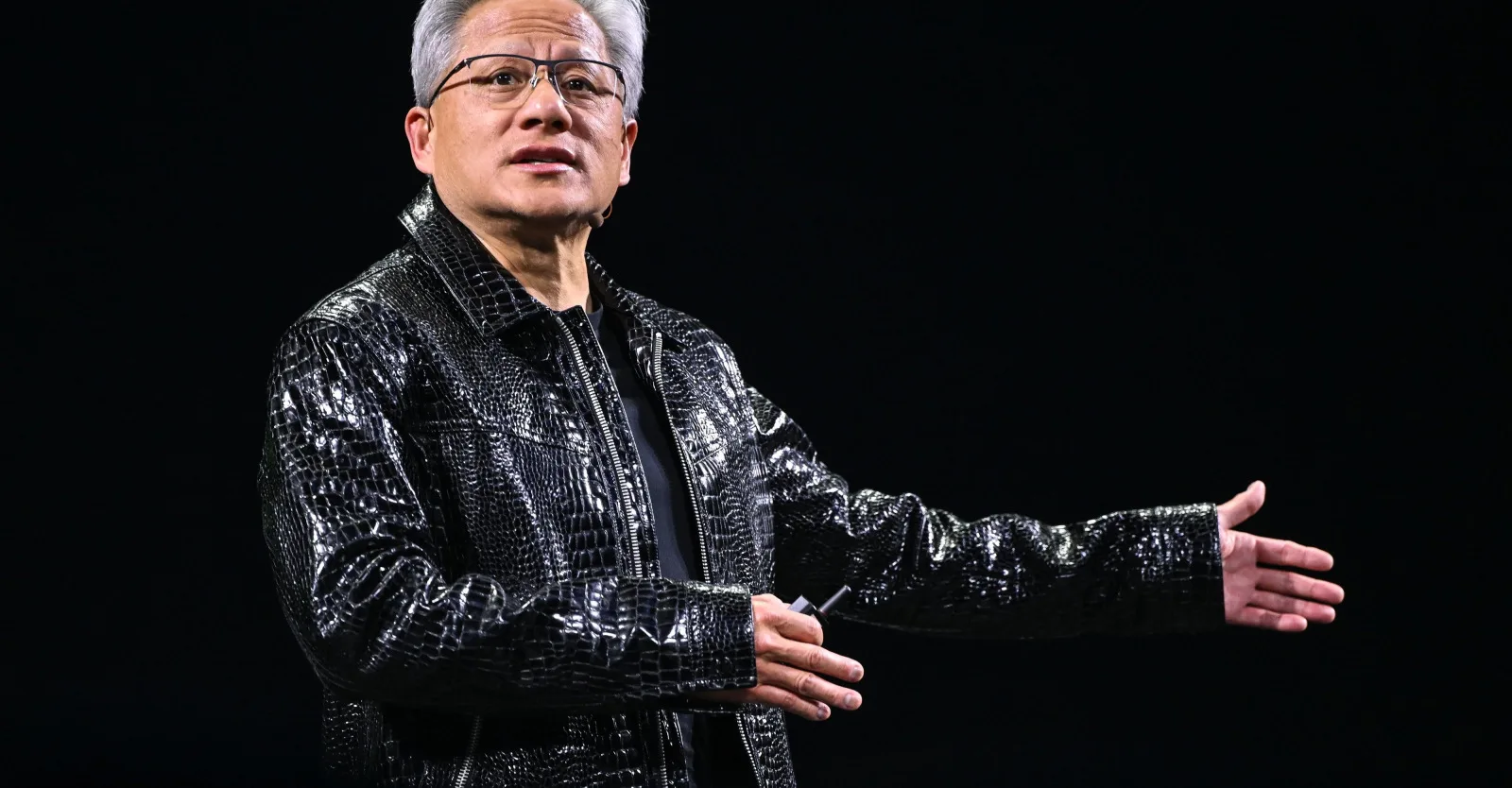
Image: Jensen Huang and the decline of the visionary showman founder CEO · Source
Jensen Huang, Nvidia's iconic founder and CEO, has left the company amid controversies. His departure raises questions about Nvidia's future leadership and the broader impact on the AI sector.
On January 6, 2025, Jensen Huang, the founder and CEO of Nvidia, took center stage in a triumphant display reminiscent of a rockstar, celebrated by thousands at a packed arena. Known for his visionary leadership since founding Nvidia 33 years prior, Huang was recognized for transforming the company into a global tech powerhouse integral to the booming AI industry. However, he has since stepped down amidst allegations of involvement in two chip smuggling scandals and multiple extramarital affairs, including one with an alleged Chinese spy, causing widespread attention and concern over potential fallout in the AI sector and stock markets.
At 63, Huang had famously declared his intention to lead Nvidia for life, even joking about working into his nineties and beyond. He built the company around his strong, centralized leadership style, with roughly 60 direct reports. Analysts note that "Jensen is Nvidia, and Nvidia is Jensen," highlighting the challenge his departure poses given the absence of a clear successor or deputy poised to take over.
Huang's tenure was marked by bold bets and pioneering initiatives, notably Nvidia's early push into GPU computing beyond graphics with CUDA technology. Though initially costly and met with skepticism, CUDA laid the groundwork for Nvidia's dominance in AI hardware, enabling breakthroughs like the 2012 AlexNet neural network that sparked the AI revolution. Additionally, strategic acquisitions like Mellanox and deep engagement with cutting-edge supply chain partnerships cemented Nvidia's leading position.
Despite his charismatic and sometimes theatrical presentation style—adopting a signature black leather jacket and captivating keynotes—the road was not without challenges, including market crashes and product setbacks. Yet Huang's ability to innovate and adapt propelled Nvidia to be a major player in visual computing and AI infrastructure.
Industry experts caution that while Nvidia's product roadmap and manufacturing plans through 2027 remain secure, the real test lies in maintaining Huang's pace of innovation and vision post-departure. Analysts recommend that Nvidia's next CEO possess strong technical credibility and strategic foresight to preserve the company's competitive edge and ecosystem, particularly the CUDA platform.
Though there is confidence in Nvidia's talented teams, robust technology base, and established customer relationships, many agree that replacing Huang's unique combination of visionary insight, business acumen, and showmanship will be difficult. The company is likely to face a period of adjustment, with potential market uncertainty until new leadership emerges and stabilizes investor confidence.
Huang’s exit marks the end of an era not only for Nvidia but also for Silicon Valley’s model of the visionary showman founder CEO—a role last epitomized by figures like Steve Jobs. As Nvidia moves forward, the industry and investors alike watch closely to see who will fill the void and how the company will navigate its next chapter in the fast-evolving AI landscape.


Sources and original reporting
Read the original source ↗
Comments (0)
No comments yet. Start the discussion.
Write a comment
Comments are published after moderation. Your name and comment will be visible publicly. Account